͏‌ ͏‌ ͏‌ ͏‌ ͏‌ ͏‌ ͏‌ ͏‌ ͏‌ ͏‌ ͏‌ ͏‌ ͏‌ ͏‌ ͏‌ ͏‌ ͏‌ ͏‌ ͏‌ ͏‌ ͏‌ ͏‌ ͏‌ ͏‌ ͏‌ ͏‌ ͏‌ ͏‌ ͏‌ ͏‌ ͏‌ ͏‌ ͏‌ ͏‌ ͏‌ ͏‌ ͏‌ ͏‌ ͏‌ ͏‌ ͏‌ ͏‌ ͏‌ ͏‌ ͏‌ ͏‌ ͏‌ ͏‌ ͏‌ ͏‌ ͏‌ ͏‌ ͏‌ ͏‌ ͏‌ ͏‌ ͏‌ ͏‌ ͏‌ ͏‌ ͏‌ ͏‌ ͏‌ ͏‌ ͏‌ ͏‌ ͏‌ ͏‌ ͏‌ ͏‌ ͏‌ ͏‌ ͏‌ ͏‌ ͏‌ ͏‌ 
Is this email not displaying correctly? View it in your browser.
Image description
Image description

                              Demeter Newsletter -- July 2024


Greetings from Demeter!


In this issue:  

+ Standards Feature:  Biodiversity Reserve and Benefits
+ A Look at Adjuvants 

+ Photo Essay: Members' Assembly and 100 Years Celebration 

+ Staff Corner: A Visit to Churchtown Dairy    


Please send future newsletter content suggestions or questions to:   [email protected].

A Findings Report May Be 

Headed Your Way!


We are well on the way to completing inspection report reviews in the office, and sending out the results to our certified operations.  Please keep your eye out for an email with a Findings Report attached.  This report will follow up on any issues that may have come up during your inspection.  You may receive a request to send information or documents to Demeter by a certain date in order to complete your certification process.    Please respond promptly!


Thank you for your cooperation!

    If you have any questions please contact

    Sarah Rhynalds at [email protected].


    🔸🔸🔸🔸🔸🔸🔸🔸🔸🔸🔸🔸🔸🔸🔸🔸🔸🔸🔸

    Please Note:  If you did not send your 2024 renewal application and payment you are risking loss of your certification!

    Certificates expire at the end of June each year.


    Notes from the Field...


    We are reserving a spot in each of our newsletters to feature a farmer or other certified business owner. If you'd like to write a brief article about your experience with Biodynamics, or answer some interview questions about your operation, we'd love to share it with our readers!


    Please contact Nell at [email protected] for more details.


    Image description

    Standards Feature: 


    Biodiversity Reserve


    The Biodynamic Farm Standard is posted on Demeter USA's website and can be found at this link:  Demeter-Farm-Standard.pdf


    One aspect of the Standard that sets Biodynamic farming apart is the requirement of including or setting aside areas to serve as a reserve for biodiversity.


    A. Necessary Elements of the Farm Organism

    1. Biological Diversity

    A Demeter certified farm must have a minimum of 10% of its total effective land base- clearly documented in a calculated acreage figure- set aside as a biodiversity reserve. This preserves wildlife diversity, endangered species habitat, and provides an overall reserve of diverse life forms to inoculate and inhabit the farm organism.

    Environmentally beneficial grazing [in compliance with Section I.E.5] and low impact wild harvest can take place, but each situation will be handled on a case-by-case basis. In situations where there is no potential biodiversity reserve occurring naturally, areas will need to be created.

    All botanical species established (natural or planted) at a minimum need to be allowed to develop through the flowering stage to be counted towards the 10%. Examples include insectary plantings, hedgerows, flowering cover crops, perennial plantings along fence lines and roadways, and wildlife corridors. For climates with a winter dormant period the 10% biodiversity reserve requirement applies throughout the entirety of the growing season (Spring through Autumn). For climates with growth year-round the 10% biodiversity reserve needs to be in place year-round.


    Biodiversity on the Farm 


    Nowhere can the strength of diversity be seen better than in nature, where an ecosystem’s success can often be traced to the variety of species that live there. The resilience of an ecosystem to changes and disturbances can be directly linked to diversity, as within any mix of species, some will respond better to disturbance, are best able to adapt, and can buffer the entire community against the loss of other species.

    With changes to our climate and expanding human development putting more pressure than ever on wild ecosystems, biodiversity appears increasingly crucial to the survival of our planet’s ecology, and our own continued existence.


    When conditions are in balance, most ecosystems, with some notable exceptions, tend toward diversity, with each plant and wildlife species existing in its own ecological niche. In sustainable agriculture circles, the concept of mimicking nature in farming methodologies has long circulated. Human-managed ecosystems receive the same benefits from species diversity as wild ones; stability and resilience in the face of outside pressures and disturbances.


    As Wes Jackson, co-founder of The Land Institute in Kansas writes, “Essentially, all of nature’s ecosystems are perennial polycultures. Agriculture reversed that. Consequently, soil erosion became a problem. The wilderness has to become a standard against which we judge our agricultural and cultural practices.” The Land Institute’s research into perennial polyculture grain crops shows one path to creating farming systems that parallel natural ones. Intensive rotational grazing management that mimics the movement of large grazers like the American bison across the landscape, is another example.


    The Biodynamic Farm Standards require 10% of a farm’s land-base be set aside as a biodiversity reserve. This requirement is unique to Biodynamic farming and is not mandatory for the many other sustainability-based certifications available to farmers. Much can be accomplished in these wildlife reserves that benefit the farm as a whole and improve and stabilize wider ecosystems.


    According to the Biodynamic Federation - Demeter International (BFDI) website, “35% more birds and 23% more insects are found in organic farmland thanks to the creation of natural habitats and the absence of chemical and synthetic pesticides.” Biodynamic farms offer even more sanctuary for wildlife through intentional reserves and plantings.  


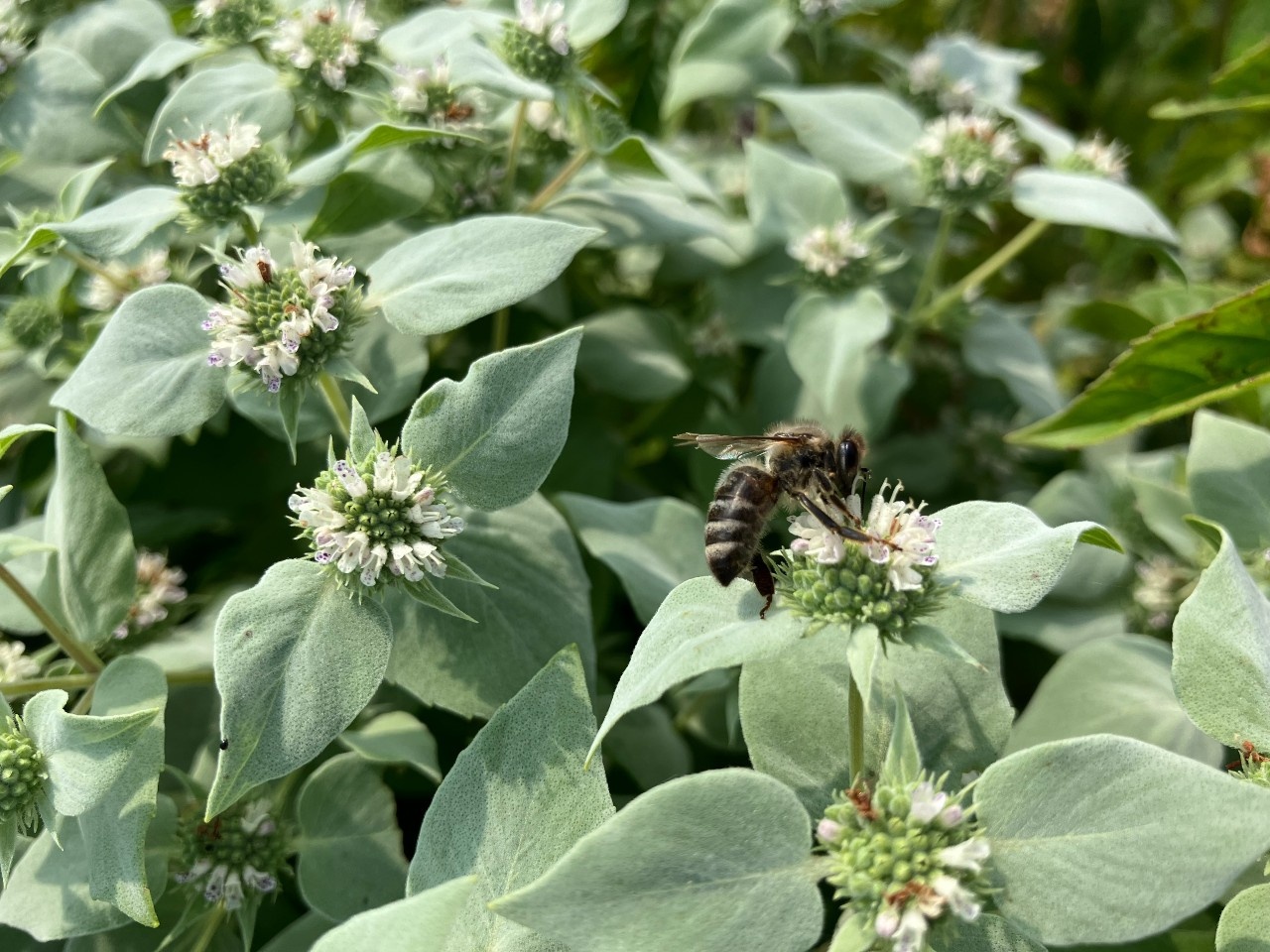
    Establishing flowering plants within growing areas or along field margins attracts a diverse mix of pollinator species. Many insects provide pollination for crops as well as predation of insects that cause crop damage. They also provide food for birds and other wildlife. During nesting season, bird consumption of insects provides 60-69% of their diet, providing high protein foods during a time of highest energy expenditure. Insects are crucial to breeding bird populations. Birds, likewise, provide many benefits beyond the pleasure we get from observing them. In areas in the Northeastern United States, for example, insect pests such as mosquitoes and house fly populations increase dramatically in the fall once the swallows migrate south, in a dramatic and observable example of the help bird species can provide to human communities.


    Diversity doesn’t stop with plants, insects, birds and animals, either. This diversity extends to the soil, where complex webs of insects and fungi multiply in fields managed with Biodynamic methods. It extends to pastures interseeded with a diverse mix of grasses and forbs providing health for grazing livestock and resiliency in forage production. Diversity is required in crop rotations and included in our seed sources, seed saving, the use of heirlooms, open-pollinated, and local-adapted varieties.


    The area of the farm set aside for biodiversity is an important link in the “Farm as a Living Organism” philosophy that underpins Biodynamics. To quote a BFDI post from 2021, “As essential as biodiversity is for life, it is essential for biodynamic farming. Only by preserving our biodiversity through a thoughtful collaboration with nature, biodynamic farmers can practice farming to its full potential.”

    

    Image description

    Adjuvants:  What are they for and which are approved for Biodynamic operations?


    We all know that there are many differences between Biodynamic® and organic agriculture. One such difference is materials approved for production. In order to provide comparable alternatives for adjuvants approved for Biodynamic production, I conducted an exploration into adjuvants and their sub-categories; here are some highlights.


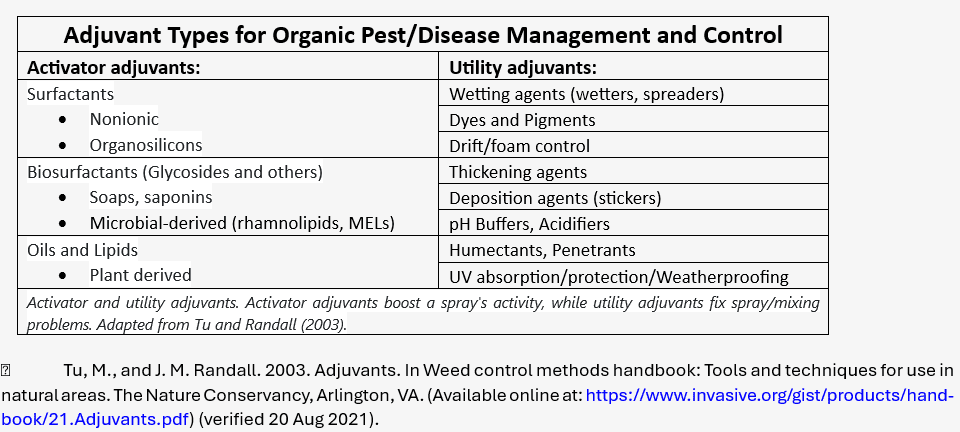
    The information and table below are gathered from Adjuvants for Organic Pest and Disease Management | eOrganic; which provides the following definition: “Adjuvant comes from the Latin adjuvare, which means to help. It is a relatively broad term referring to substances that are added to pesticides or nutrient solutions for the purpose of improving their mixing, application, or effectiveness.”


    The bolded products in each section have been approved for use at Biodynamic operations.


    *The status of inputs can change; send material requests to [email protected] for additions to your input list, and receive a notification that a material is allowed (with restrictions) before use. There may be more materials that are allowed under the Biodynamic Farm Standard that have not been requested or reviewed.

    Image description

    Activator Adjuvants – can enhance the activity, coverage (wetting/spreading), and absorption “by altering leaf tissue permeability, lengthening the amount of time a solution stays wet (available), or encouraging entry through natural openings like stomata”.


    Surfactants - compounds that alter surface tension


    Nonionic Surfactants – do not form ions in water, are commonly used in agriculture, are alcohols and/or fatty acids, are typically compatible with a wide range of pesticidal activities, and aid in absorption of active pesticides without causing tissue damage.


    Biolink Spreader-Sticker by Westbridge

    Kinetic by Helena Agri-Entrprises

    Oroboost by Oro Agri

    Organosilicon Surfactants – contain atoms of silicon which make them more flexible. Some demonstrate a phenomenon known as superspreading or super wetting, which “enhances the contact area, and thereby the penetration of spray ingredients into the leaf…” These “should only be applied at temperatures below 90 degrees as they can cause phytotoxicity at high temperatures. “


    Brandt 719 Spreader by Brandt

    Freeway Organosilicone Super Wetter by Loveland Products


    Biosurfactants – “…are (usually) microbial metabolites with surfactant properties, and they fall into four main categories: lipopeptides, glycolipids (see glycosides), phospholipids (cell membranes), and polymeric compounds (Liu et al., 2015).” Currently, the only Demeter approved Biosurfactant is a saponin. It is worth pointing out that ionic surfactants can also be called “soaps” – be sure to read the ingredients on the product label, or data sheet (MSDS or SDS) to understand the product’s function.


    Ampersand by Attune


    Utility Adjuvants – “fix conditions that would otherwise negatively affect the spray solution or its application”.


    Buffers, Acidifiers, and Conditioning Agents – “Most pesticides perform best in an acidic solution (pH 4.5—6.5). When the pH is too alkaline, a pesticide can lose half its effectiveness in as little as 15 minutes (Hock et al., 2016). Acidifiers lower the pH of the mixing water, but they may not necessarily hold the pH constant. The most common acidifiers are forms of citric acid such as β-hydroxytricarballylic acid with additional additives like calcium chloride or molasses.“ Calcium chloride is not allowed under the Biodynamic Farm Standard, and the molasses must come from a non-GMO source. Tri-Fol is approved for use in organic agriculture and is not allowed under the Biodynamic Farm Standard unless it is used to address bitter pit in apples.


    MixWell Acidifier by JH Biotech

    Biolink Acidifier by Westbridge


    De/Antifoam Agents – you guessed it… prevent foam. Defoamers destroy foam already formed, while antifoamers prevent formation.


    Elimino by Precision Laboratories


    Wetters, Spreaders, Emulsifiers – “help nonpolar ingredients and water mix in the tank” or prevent “the crystallization of active ingredients that occur with evaporation”.


    Leaf Life Widespread by Loveland Products

    Freeway Organic Super Wetter by Loveland Products


    Stickers – (aka deposition aids) help pesticide particles stay on the plant surfaces. Stickers containing a wetting agent (surfactant) are marked as spreader-stickers.


    NuFilm P by Miller Chemical and Fertilizer


    Thickeners, Drift Control Agents – increase the viscosity of a spray.


    Ad-Here SP by Innvictis Organic Advancements


    Please reach out to [email protected] if you have questions about these, or any other, materials.

    Image description

    Photos from the Members' Assembly and the 100 Years Celebration in Europe.

    By Evrett Lunquist, Director of Certification


    Evrett visited Poland last month for the Biodynamic Federation-Demeter International Members' Assembly.  He also travelled to the 100 Years Celebration in Germany and to a farm in the Czech Republic.

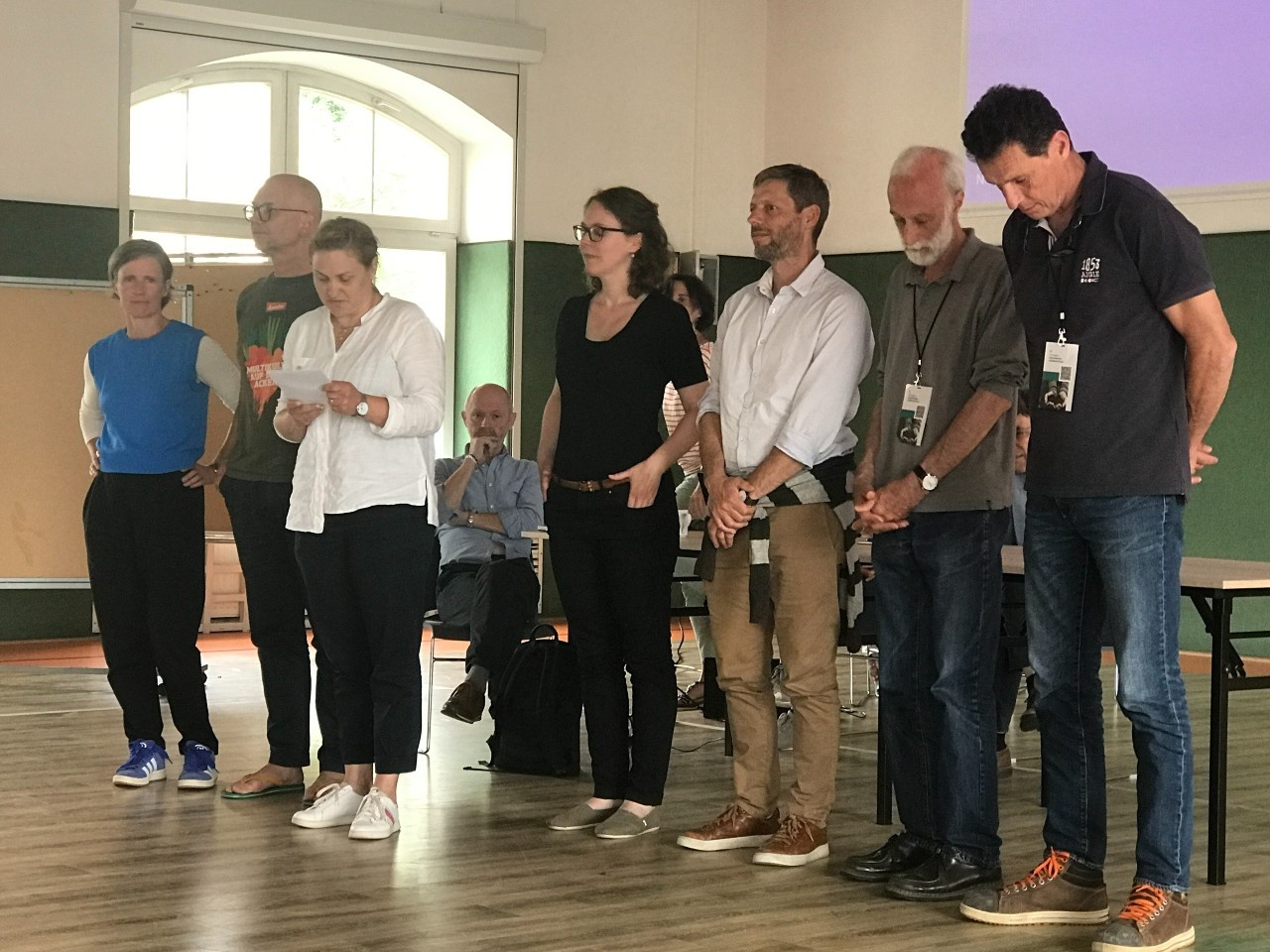
     The newly elected Board of the Biodynamic Federation – Demeter International. (Left to right – Helga Bernold-Germany, Alexander Gerber – Germany, Bettina Holenstein – Switzerland, Juan Martin Richter – Argentina, Jean-Michel Florin – France, Edouard Rousseau – France)

    Image description
    Image description
    Image description
    Image description

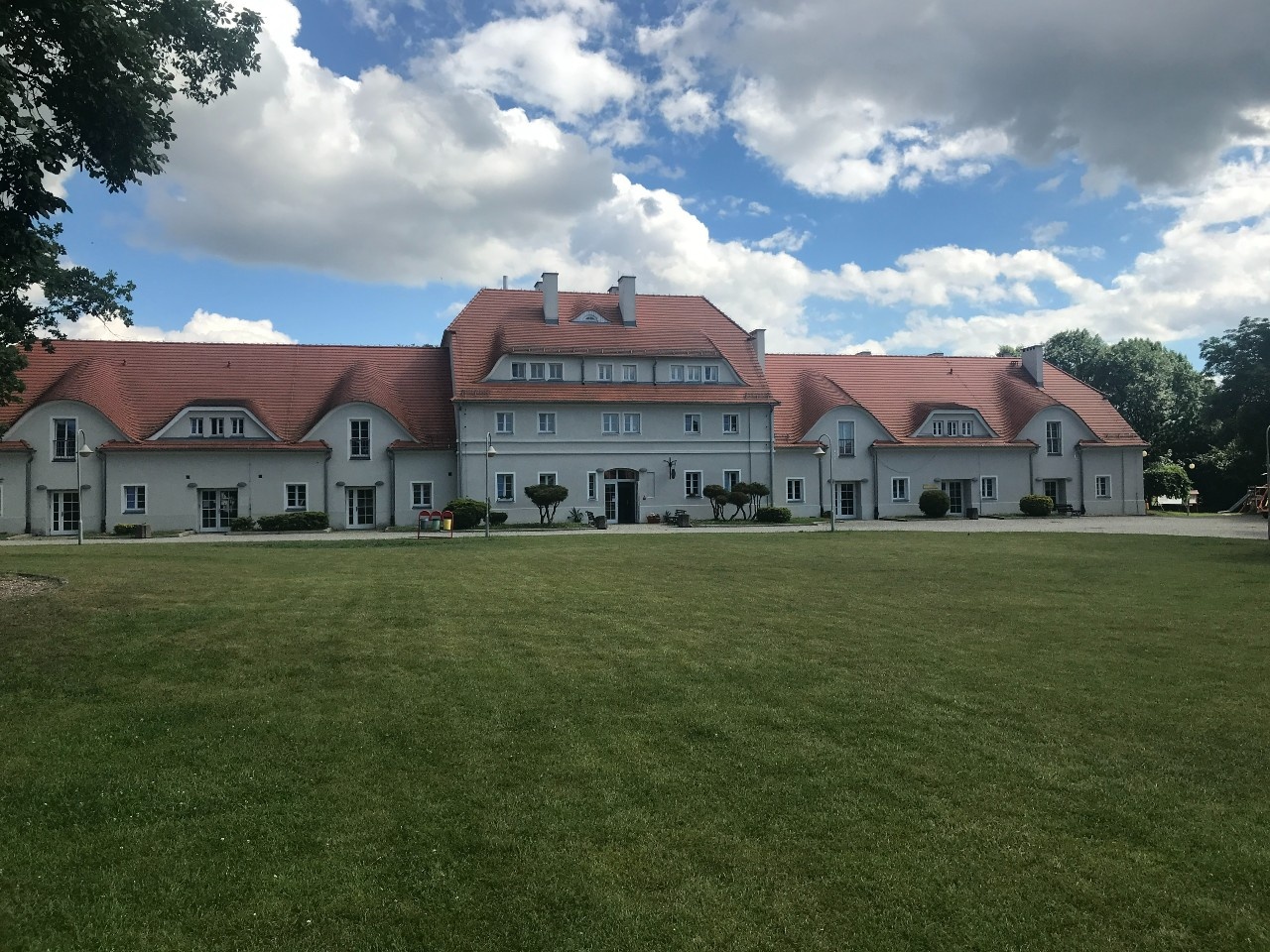
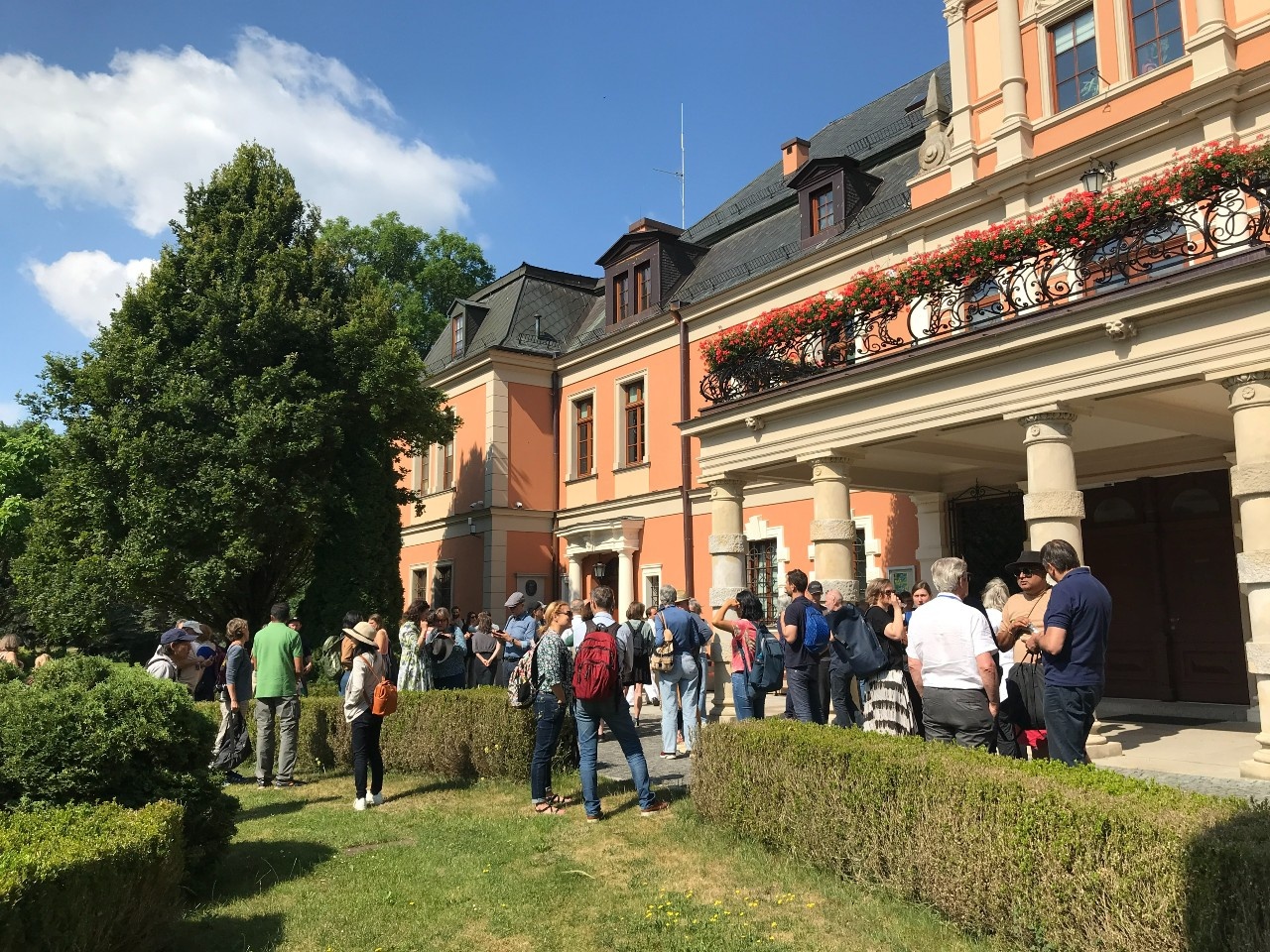
    1:  Zrzyzowa Palace – Accommodations adjacent to the Zrzyzowa Palace for most of the Members’ Assembly located in Southern Poland

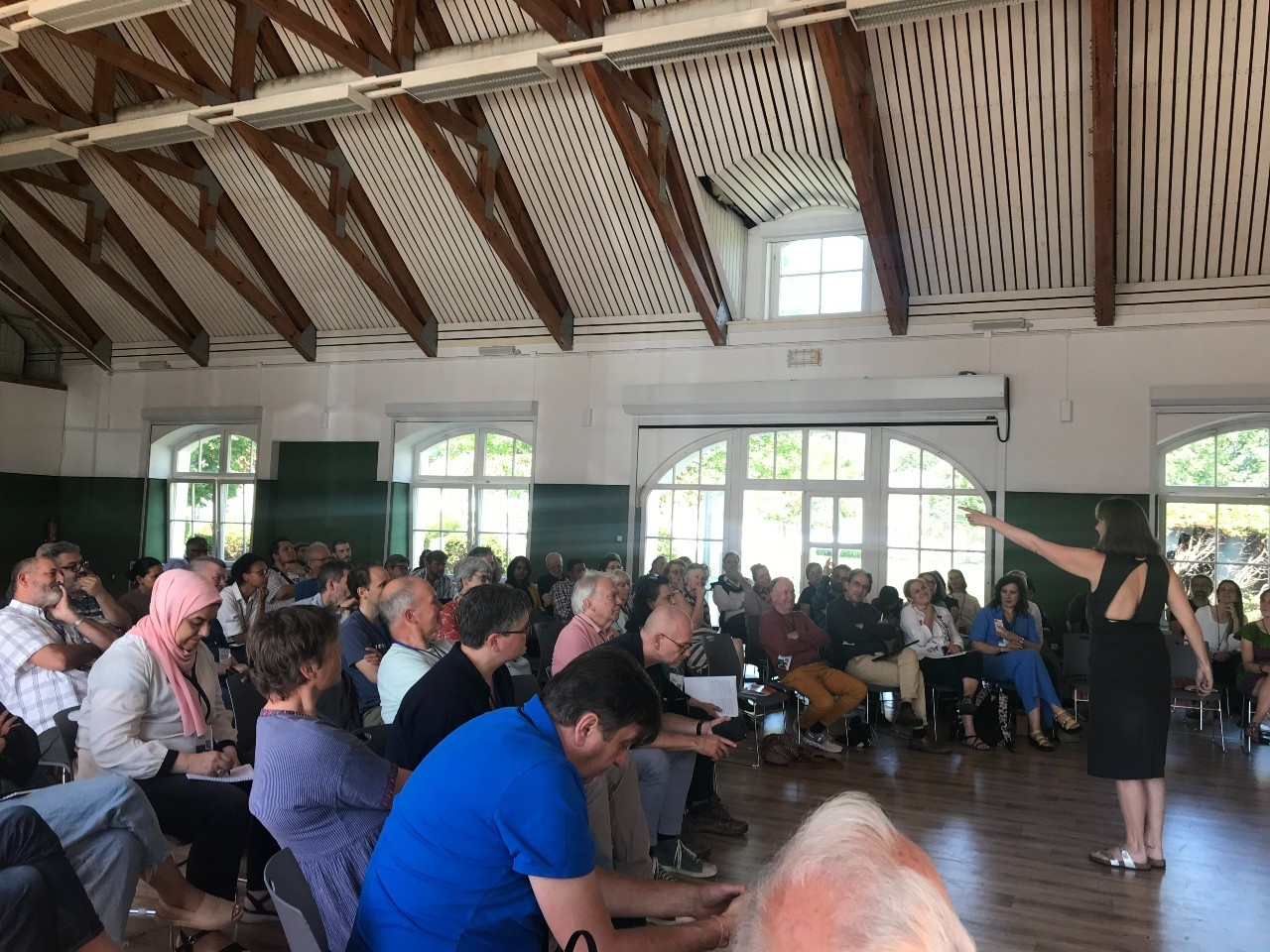
    2:  Members' Assembly Opening – The hall where most meetings were held. Alysoun Bolger opening our time together.

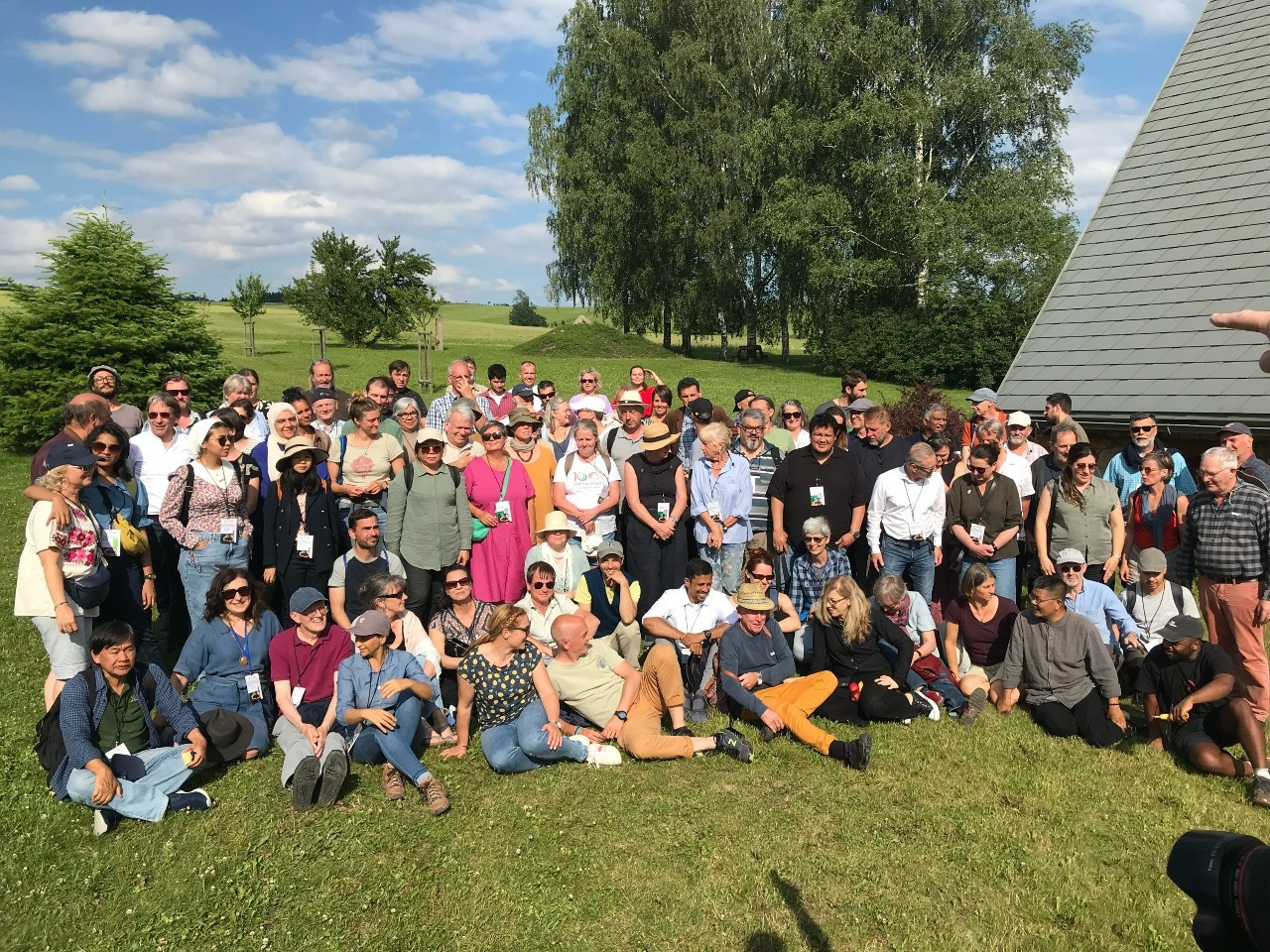
    3:  Around 100 people attended, representing 35 countries from every continent.

    Image description
    Image description
    Image description

    1: Koberwitz Estate – The Koberwitz Estate house where the Agriculture Course was given 100 years ago. Now located in Kobierzyce, Poland, the building is currently used as the office of the City Mayor and the grounds are a public park.

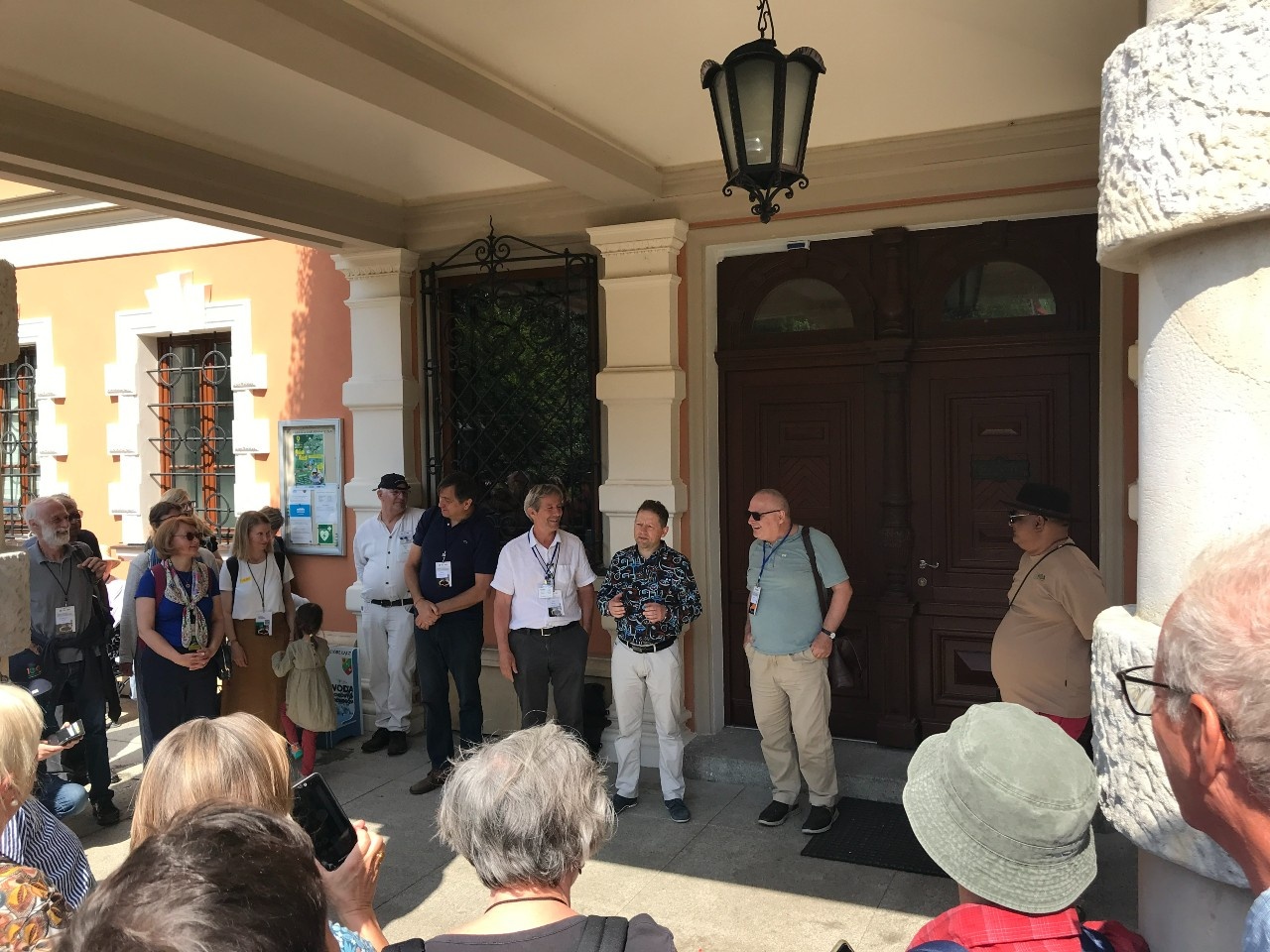
    2:  Welcome by Mayor – We were greeted by the City Mayor who shared that the building was recently restored and was curious to learn about the history that we brought to the place. The staff opened the building for us on a Sunday. Our tour guide was Marcel Waldhausen from Demeter Germany, who had poured himself over countless memoirs of those who attended the original lectures to bring life to our walk though the halls. Marcel established which room the lectures were given and where Rudolf Steiner stood to speak, where the food was served, the room where Steiner slept (what little he did), and where an attendee received an agricultural meditation from Steiner.

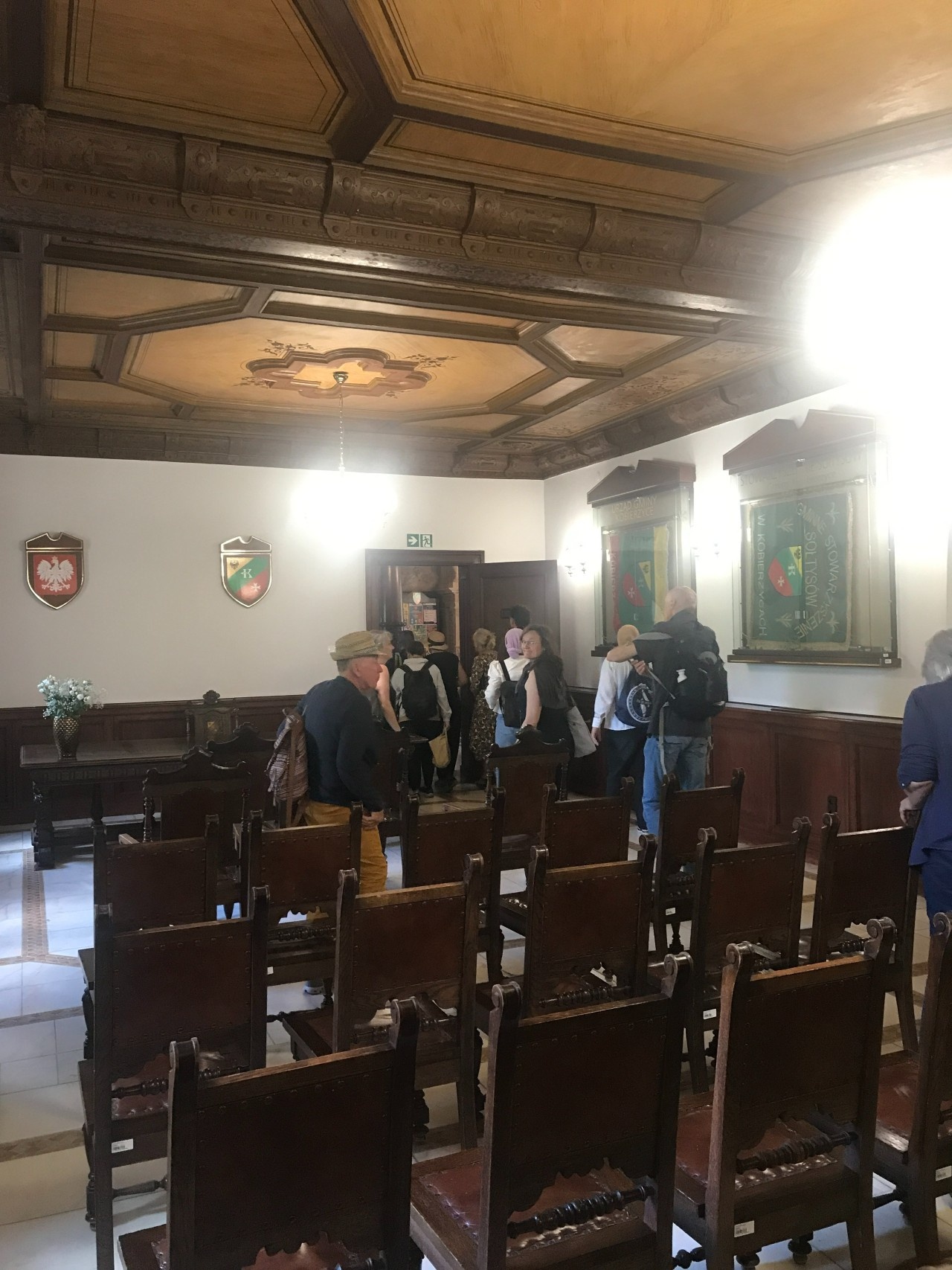
    3:  Agriculture Course – The room where Steiner gave the lectures, from where he would have stood.

    Image description
    Image description
    Image description

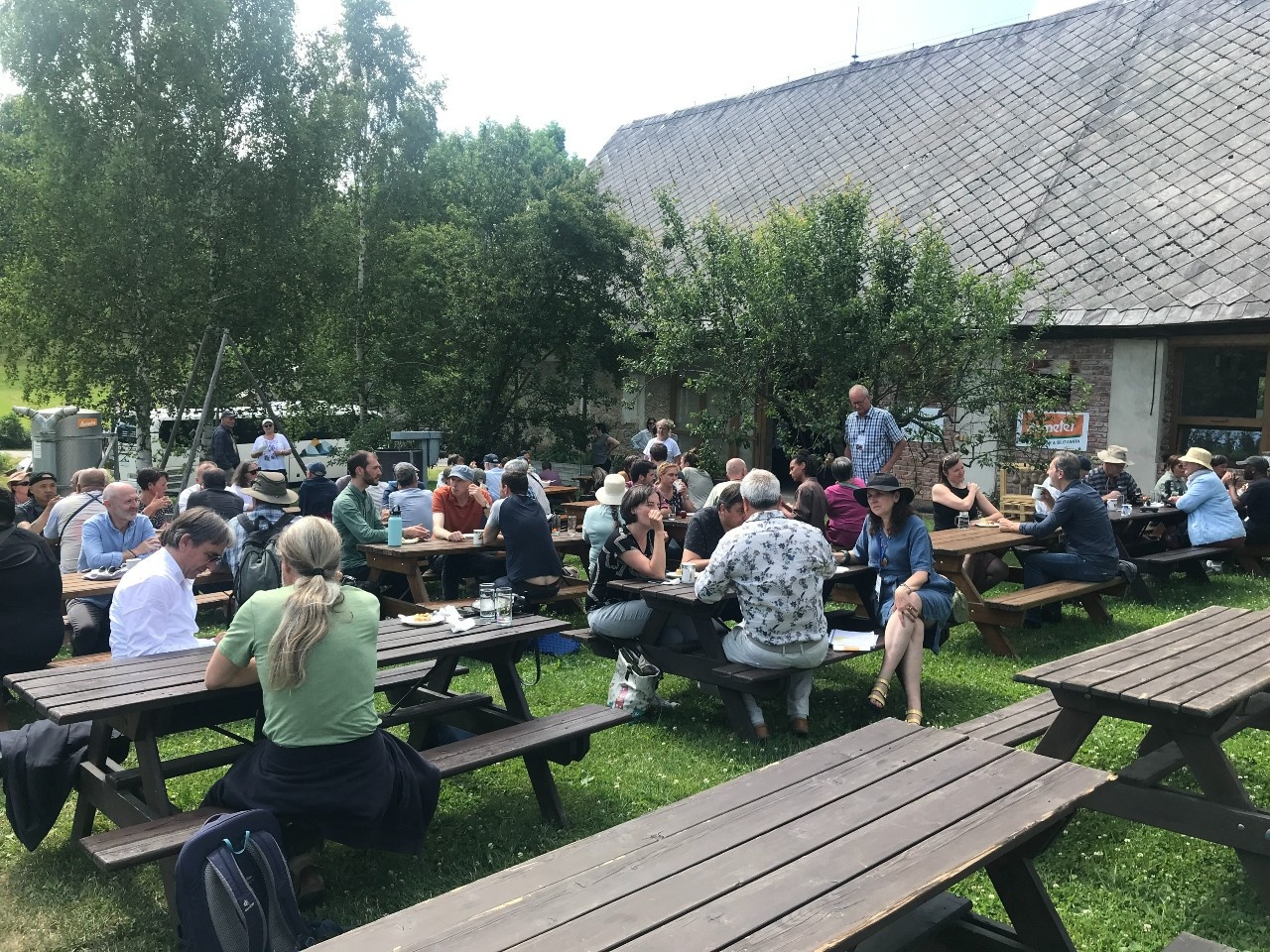
    1: Zdonov Farm hosting - Wonderful meals from food raised on the Biodynamic farm were served when touring the Zdonov Farm in northern Czech Republic.

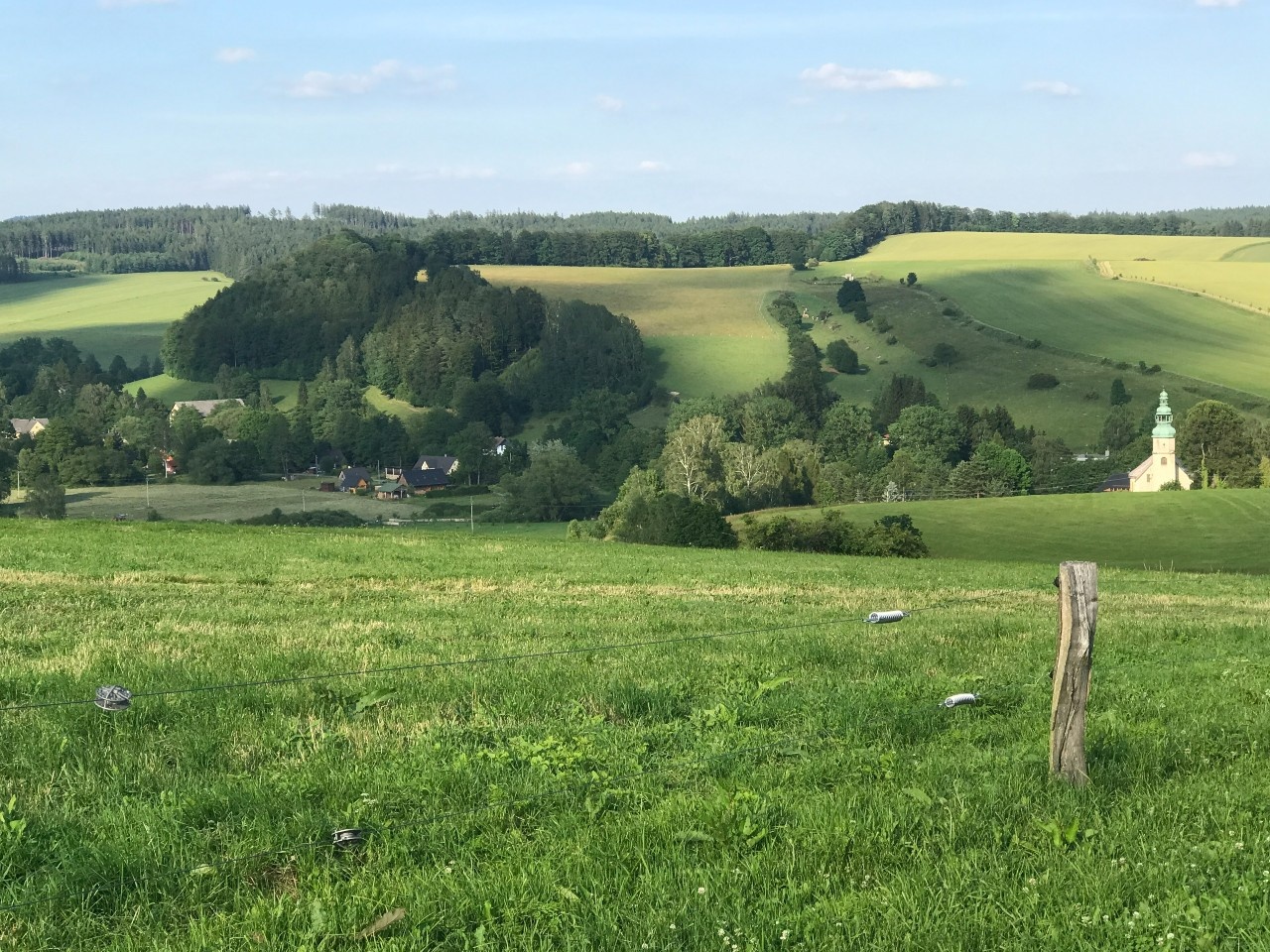
    2:  Zdonov Farm Coutryside – Zdonov Farm interwoven with the community working on the farm.

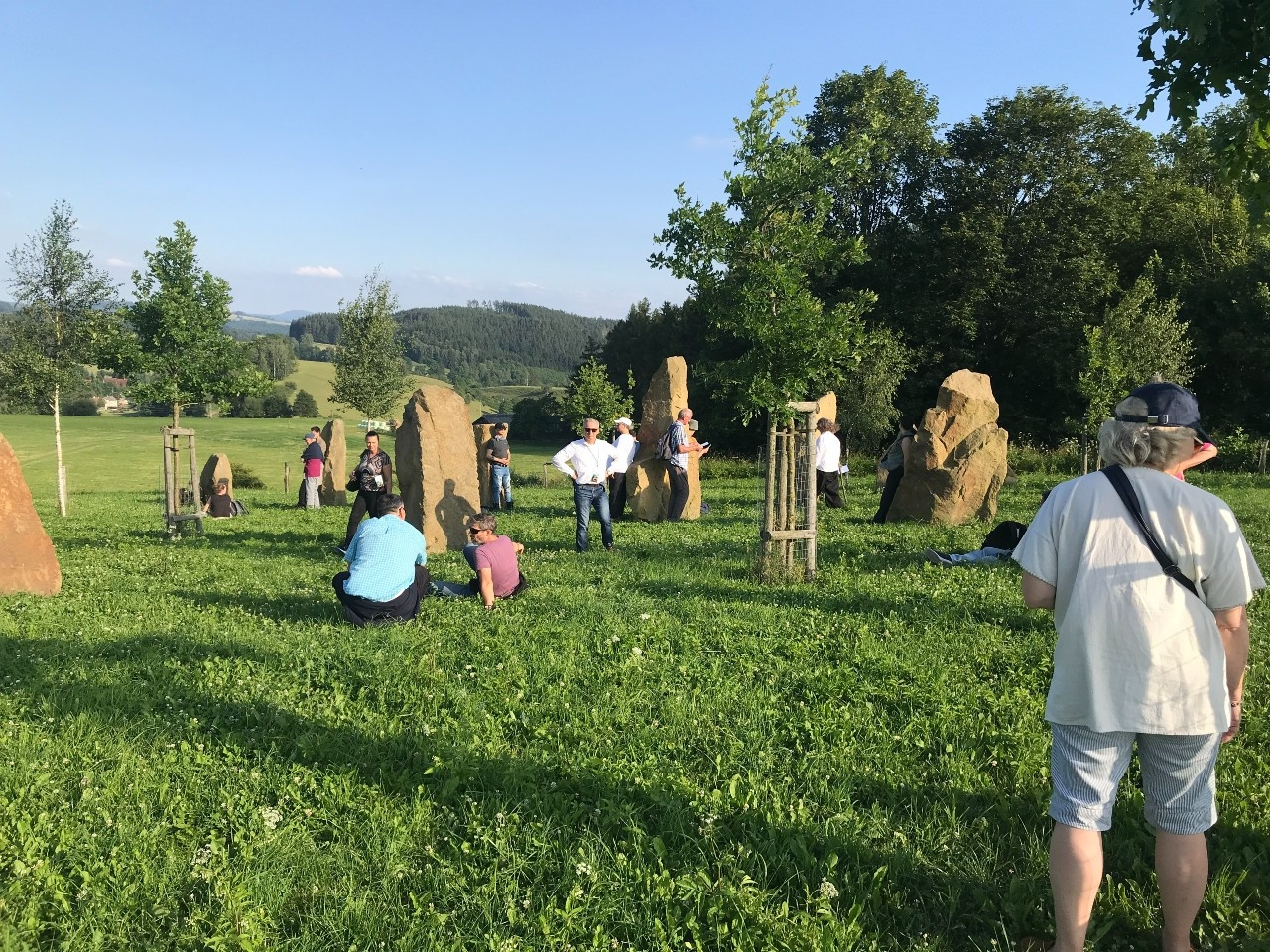
    3:  Druid Stone Cross – Owner of Zdonov Farm had local Druids install stones arranged as a cross on ley lines using sacred geometry. The stones, or menhirs, are for healing those who come to the cross and for healing the surrounding land. My personal experience of the stone cross was unexplainable to me but included losing my jetlag on the spot and feeling wide awake.

    Image description
    Image description

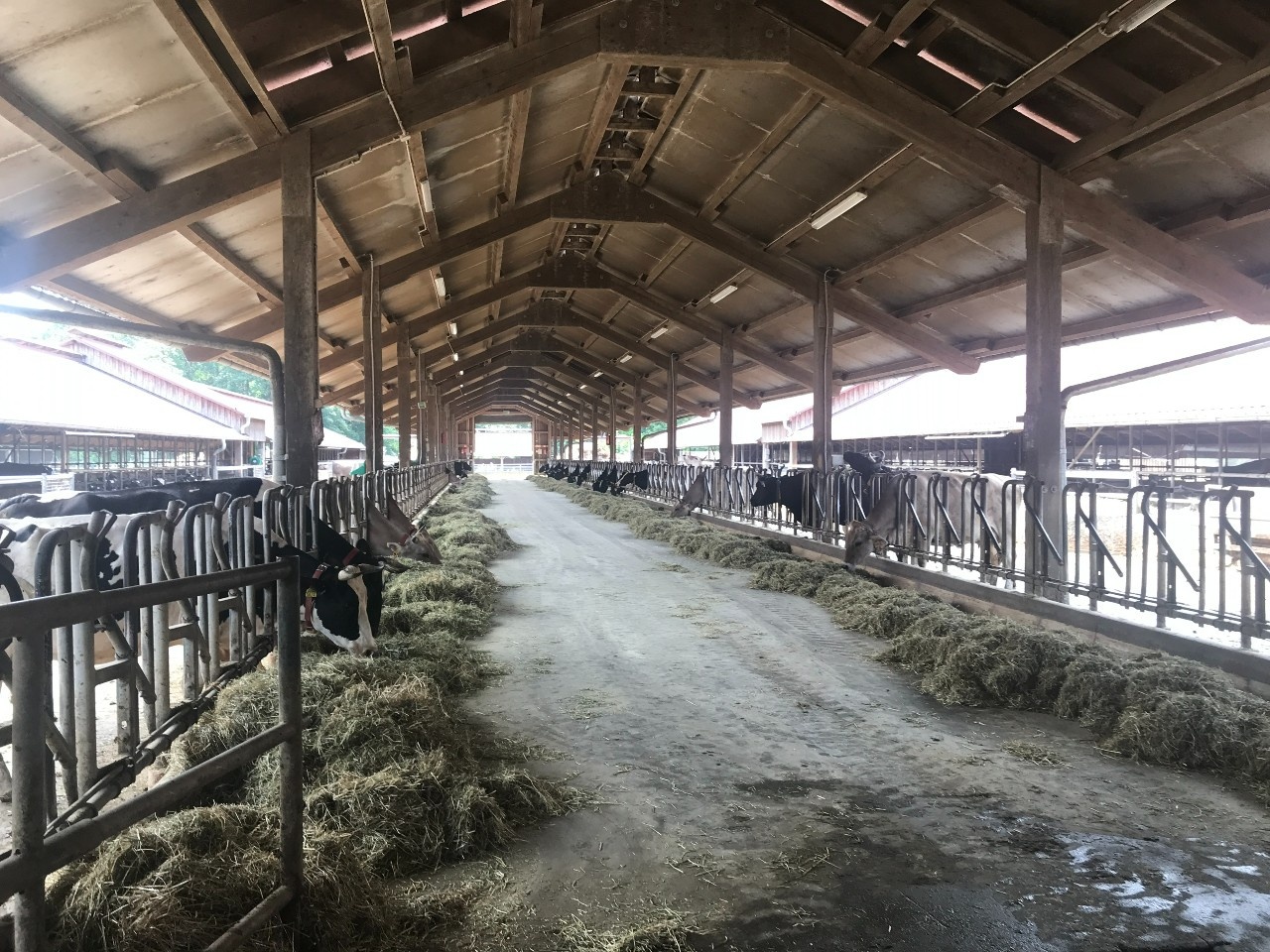
    1: Juchowo Farm Cow Shed– Located in northern Poland, this farm is the large Demeter certified farm in the country covering about 2,500 hectares (6,175 acres) and including a dairy and cheese, grain production, a bakery, meeting spaces, and an intentional community that lives and works on the farm. The cows come into the shed during the heat of the day, as temperatures above 80°F can reduce milk production.

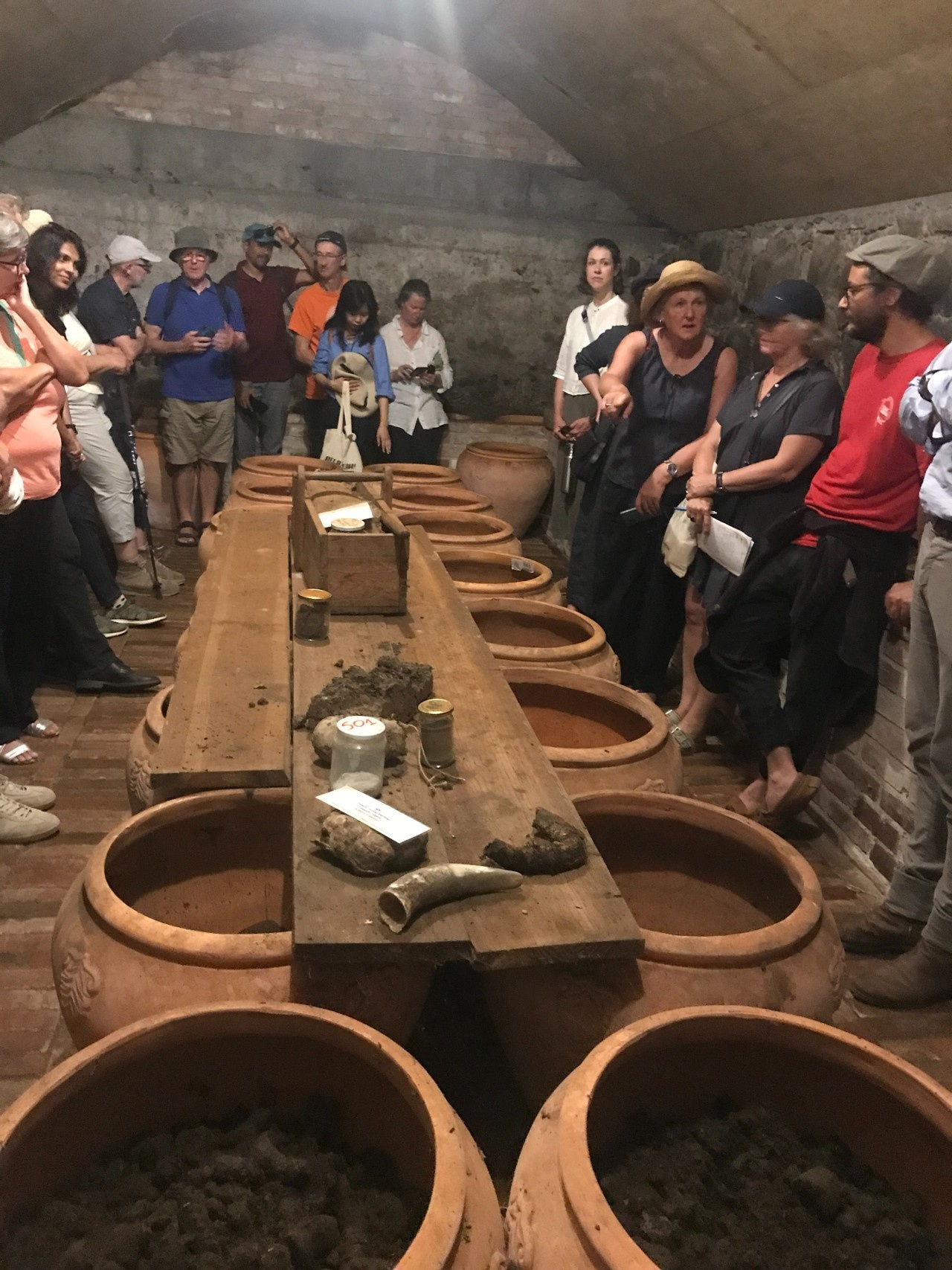
    2:  Juchowo Farm Prep Storage – With 6,175 acres on the farm, there are a lot of preparations needed. They bury over 4000 horns for BD preparation 500. Most preparations are stored dry, but they are experimenting with moist storage (opposite of practices in the USA).

    Image description
    Image description

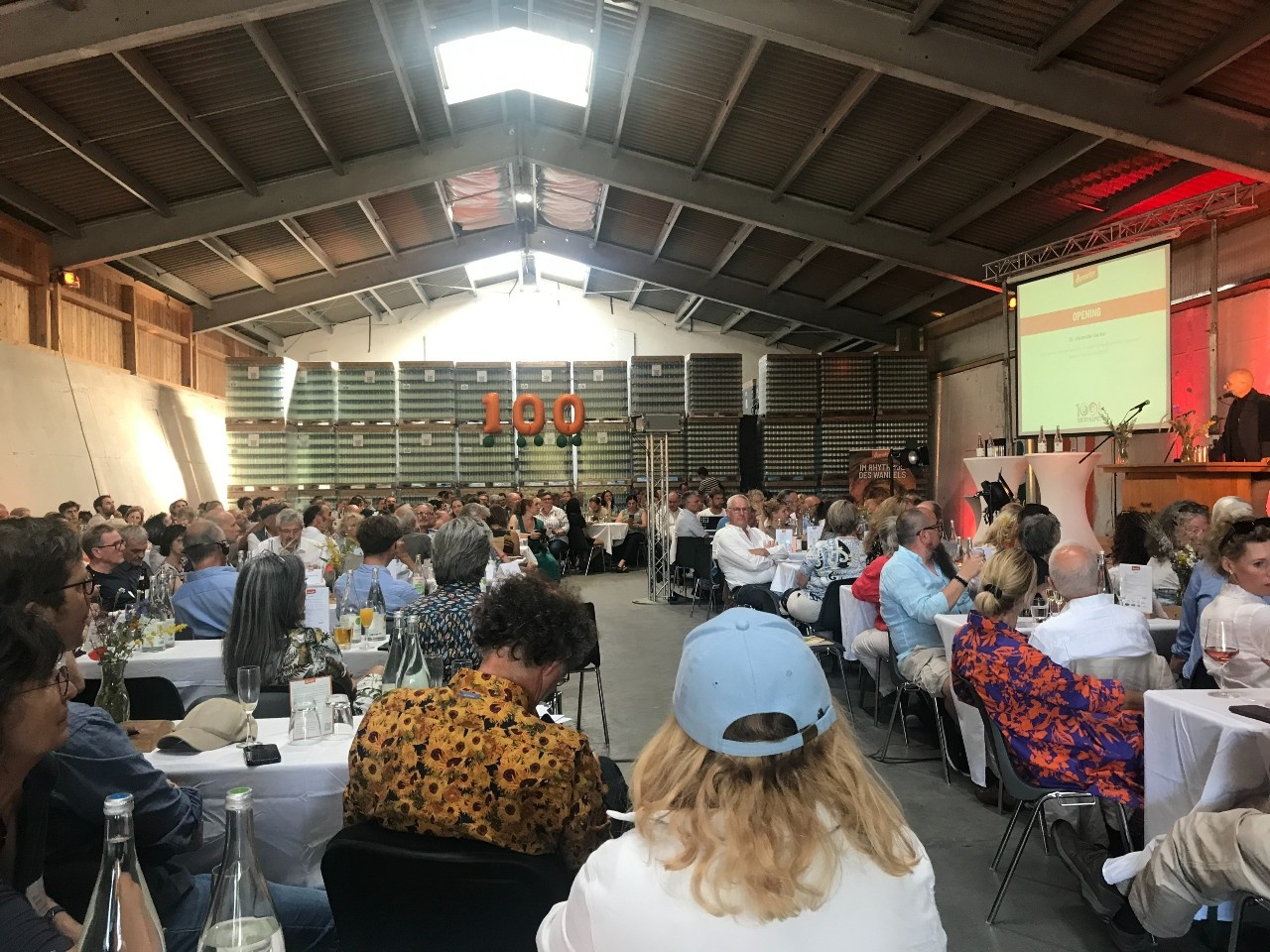
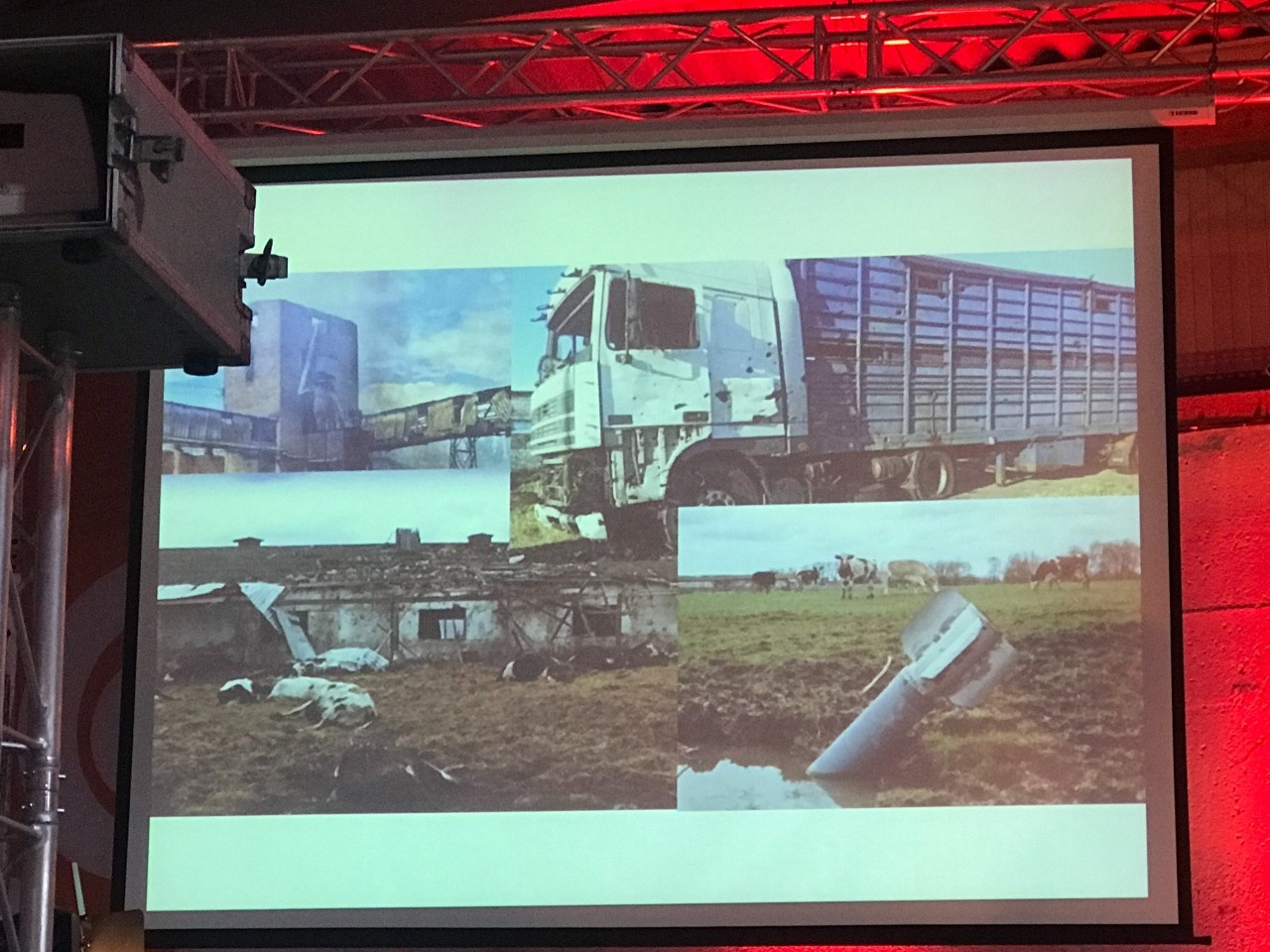
    1: 100 Years at Brodowin Farm – Our time together ended with attending Germany’s 100 year celebration at Brodowin Farm outside of Berlin, Germany. The Secretary of Agriculture of the State (like a large county in the US) attended and cut the “birthday cake.” He stated that 50% of the state’s farms were organic or Demeter, and he hopes that soon 100% will be. The gathering was mostly a celebration and call to action. There was one presenter from Ukraine that spoke of the hardship they were experiencing with living in war and the hope that Biodynamic agriculture brings for healing the earth.

    2: Ukraine – Ukrainian farm buildings bombed, equipment destroyed, livestock killed, and munitions in the fields. How fortunate we are even with whatever challenges we may face short of war.

    - Staff Corner -

    Sarah Rhynalds

    Certification Manager


    Visiting Churchtown Dairy with Jennie and Jean-David.

    A beautiful greeting to all, from Central Pennsylvania!


    Hi, my name is Sarah Rhynalds. I am the Certification Manager here at Demeter Association which encompasses many roles, including inspection coordination, approval of product labels and recipes, conducting the annual renewal process, invoicing, issuing of all certificates, and sending out new applications, just to name of few.


    My favorite part of my job is talking with new people interested in becoming certified, assisting them in filling out the paperwork, and answering all their questions. We have added the step of meeting with new members via ZOOM before they have an inspection, allowing us to connect on a personal level with each new applicant.


    Another part of my job is to help fulfill our requirements with BFDI – Biodynamic Federation Demeter International. We are audited yearly by BFDI, just as we are required to audit our certified entities! One of the requirements is for Demeter to complete yearly evaluations of our inspectors. In 2023 I accompanied Jennie Clifford, one of our longest standing Biodynamic inspectors who also has a Demeter Certified Farm, Carlton Farms.  In the picture above, we are on inspection at Churchtown Dairy with garden manager Jean-David Derreumaux.


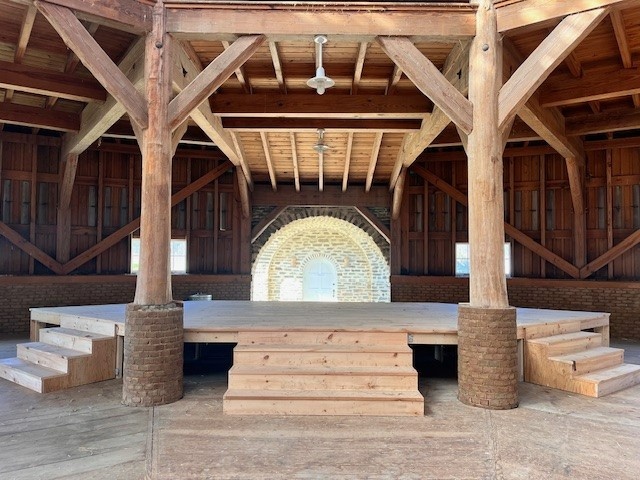
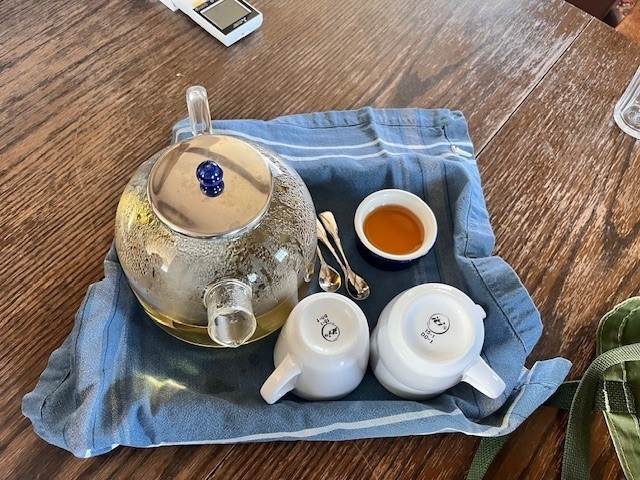
    We visited Churchtown Dairy in late October when the leaves were starting to fall. Driving through Pennsylvania to New York at this time of year is absolutely breathtaking. Churchtown Dairy is a 3-scoped operation, certified for crops, livestock, and handling. An inspection with such complexity is an all-day affair! Tea was served from The Farm Store (pictured below) as we pored over the needed paperwork. I had the pleasure of meeting Jean-David, reconnecting, and sharing a laugh with Steffen Schneider, and taking a tour of the cheese cave (the beautiful stone entrance of which is also pictured below) with Matthew Spiegler. Each Biodynamic farm I set foot on has a magical feeling that permeates deep into my soul. I am blessed to the full moon and back for my position and all the experiences. I am honored to serve in this role for the movement. When you join Demeter, you are joining a family.


    Blessing to all. 😊

    Image description
    Image description

    Want to keep up to date with news from

    The Biodynamic Demeter Alliance?

    Image description

    Email [email protected] to get on the mailing list and visit the website for Alliance Board activty updates:  Biodynamic Demeter Alliance

    ~ CALENDAR ~


    If you'd like your event announced in our monthly newsletter, please send details to: [email protected]

    ▪▪▪▪▪▪▪▪▪▪▪▪▪▪▪▪▪▪▪▪▪▪▪▪▪▪▪▪▪▪▪▪▪▪▪▪


    Geothanium Section for Agriculture -- Online Session

    Dialogue between earth and the cosmos

    August 12

    For details: Dialogue between Earth and Cosmos


    ▪▪▪▪▪▪▪▪▪▪▪▪▪▪▪▪▪▪▪▪▪▪▪▪▪▪▪▪▪▪▪▪▪▪▪▪


    Churchtown Dairy Events

    Weekly farm and garden tours, cheese tasting, festivals and more!

    For details: Talks, Workshops + Events — Churchtown Dairy


    ▪▪▪▪▪▪▪▪▪▪▪▪▪▪▪▪▪▪▪▪▪▪▪▪▪▪▪▪▪▪▪▪▪▪▪▪


    You can find many more events on the Biodynamic Association's 

    Event Calendar

    BDA Community Calendar


    ▪▪▪▪▪▪▪▪▪▪▪▪▪▪▪▪▪▪▪▪▪▪▪▪▪▪▪▪▪▪▪▪▪▪▪▪


    Demeter Business Meetings:

    Demeter Standard Committee – meets the 2nd and 4thTuesday of the month


    Demeter Board – meets the 2nd Monday of the month

    Image description

    Demeter Association, Inc.

    317 Church Street
    Phoenixville, PA 19460


    www.demeter-usa.org

    If you want to unsubscribe, click here.
    Powered by Sender.net