World Soil Day Celebrated on December 5th
What group of people would appreciate and support the celebration of the earth’s soils more than Biodynamic farmers?
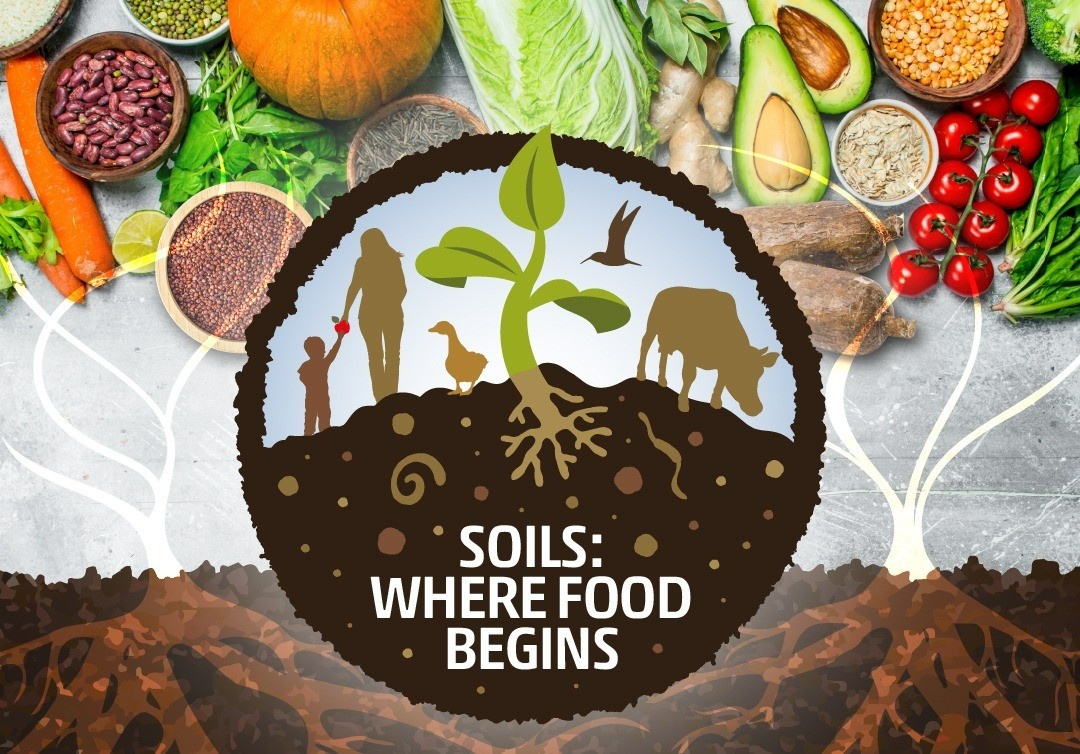
On December 5th, the Food and Agriculture Organization of the United Nations (FAO) celebrated World Soil Day to highlight the critical role of healthy, biodiverse soil in sustainable food systems.
The 2024 World Soil Day theme was “Caring for Soils: Measure, Monitor, Manage” and focused on the need for abundant and accurate data to support decision-making related to land management. The event also engaged citizens around the world through soil-related contests, media, and publications for children and adults.
Resources for this event, related to soils and soil conservation can be found here: World Soil Day | Food and Agriculture Organization of the United Nations
Every year, 10 million hectares (nearly 25 million acres) of arable land are lost due to agricultural practices, deforestation, and other human activities, according to the FAO. Billions of tons of fertile soil are lost each year due to erosion. This is clearly a crisis, as soils are essential for food production, sequestering carbon, maintaining ecosystems, and supporting life on the planet.
In the area of soil conservation, as in so many other areas, Biodynamic farming can serve as a blueprint for methodologies that not only protect soils but also actively work to improve soil biodiversity and organic matter, and to sequester carbon.
To quote from the Biodynamic Farm Standard:
“Bare tillage year-round is prohibited. Soil carbon (i.e., humus) levels must be maintained and ideally increased over time. During the growing season, tillage must be kept at a minimum avoiding bare exposed soil for long periods of time. Frequency and type of tillage will be documented in the Biodynamic System Plan or other form of documentation. Each year at least 20% of annual and perennial cultivated areas must include a soil building crop such as sod, pasture, cover crops and green manures.”
Biodynamic Farming is intended to, “generate inputs out of the life of the farm system itself rather than importing them from outside, the heart of a Biodynamic farm’s fertility system is the sequestering and recycling of carbon. Crop rotation and integration of animal agriculture also assist in reducing petrochemical inputs compared to conventional agricultural practices. These factors, in addition to Biodynamic farming’s focus on improving soil health, water quality and biodiversity, combine to make it one the highest paradigms of sustainable, regenerative agriculture.”
Soil conservation is at the heart of the Biodynamic movement. Through management and use of the preparations, Biodynamic farmers have the tools to generate soils rich in humus and diverse in micro and macro organisms, supporting the metabolic processes which create healthy, nutrient-dense crops. This is something worth celebrating!