͏‌ ͏‌ ͏‌ ͏‌ ͏‌ ͏‌ ͏‌ ͏‌ ͏‌ ͏‌ ͏‌ ͏‌ ͏‌ ͏‌ ͏‌ ͏‌ ͏‌ ͏‌ ͏‌ ͏‌ ͏‌ ͏‌ ͏‌ ͏‌ ͏‌ ͏‌ ͏‌ ͏‌ ͏‌ ͏‌ ͏‌ ͏‌ ͏‌ ͏‌ ͏‌ ͏‌ ͏‌ ͏‌ ͏‌ ͏‌ ͏‌ ͏‌ ͏‌ ͏‌ ͏‌ ͏‌ ͏‌ ͏‌ ͏‌ ͏‌ ͏‌ ͏‌ ͏‌ ͏‌ ͏‌ ͏‌ ͏‌ ͏‌ ͏‌ ͏‌ ͏‌ ͏‌ ͏‌ ͏‌ ͏‌ ͏‌ ͏‌ ͏‌ ͏‌ ͏‌ ͏‌ ͏‌ ͏‌ ͏‌ ͏‌ ͏‌ 
Is this email not displaying correctly? View it in your browser.
Image description
Image description

                           Demeter Newsletter -- July 2025


Greetings from Demeter!

In this issue:  
+ Certification News

+ Notes from the Field:  Meet Stardust Cellars

+ Demeter Farms in the News: Montinore Estate and Cowhorn Vineyard and Garden

+ Standards Feature: Rodent Control - anticoagulant baits

+ Staff Corner: Your Personal Trainer: Rudolf Steiner

+ Research: Biodiversity and Resilience

+ Establishing Native Plantings Resource


Please send newsletter content suggestions or questions to:   [email protected]


Certification News


Interpreting Findings Reports


Have you received a Findings Report related to your 2025 inspection report review?   Your Findings Report contains a series of columns containing relevant information and requests for your response.   Here is a quick guide for interpreting and responding.   


Details Column: Describes the level and category of the Finding.
Status Column
:  Indicates whether the Finding has been addressed or remains Open.

Description Column:  Details the issue in question.

Corrective Action Column:  Explains what response is required.
Standard Reference:
  Lists the relevant section of the Farm or Processing Standard.

Deadline:  Includes the date by which your response is requested.


Please contact your certification reviewer with questions about any information contained in the Findings Report - we are happy to work with you to address these issues!


Questions about certification?

Please contact Sarah: [email protected].

Notes from the Field...

We are reserving a spot in each of our newsletters to feature a farmer or other certified business owner. If you'd like to write a brief article about your experience with Biodynamic Production, Processing, or Marketing, or answer some interview questions about your operation, we'd love to share it with our readers!


Please contact Nell at [email protected] for more details.

An interview with Nico Hogrefe of Stardust Cellars

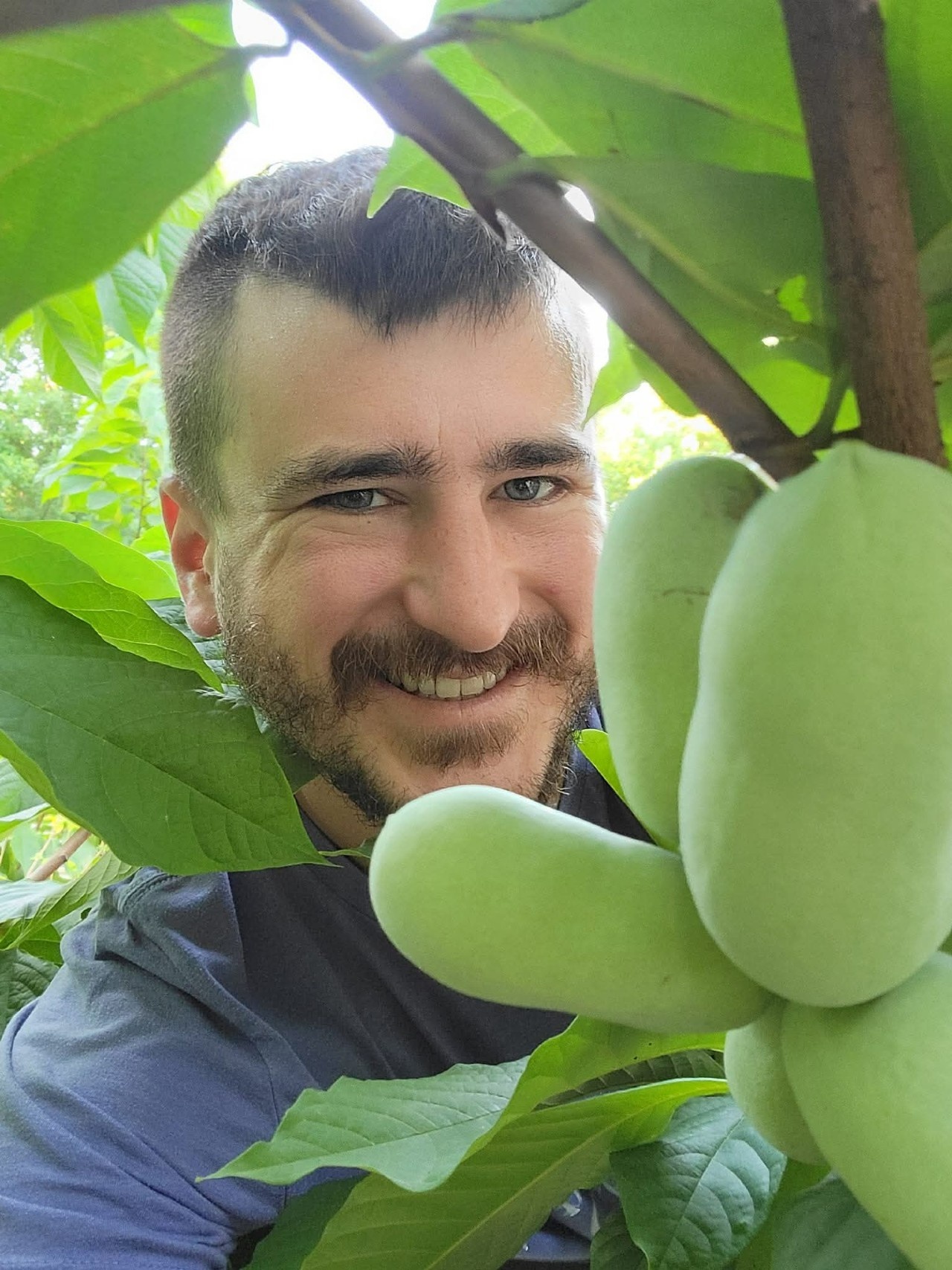
Demeter’s newly certified business, Stardust Cellars, is one of the few Demeter-certified vineyards located on the east coast. Owner Nico Hogrefe kindly accepted our request for an interview, and provided a rich history and description of his business in the foothills of the North Carolina mountains.


Background:

I started the farm in 2017 simply growing vegetables and fruit trees and a small selection of vinifera grapes, which in hindsight was a poor decision as I later ripped it all out to replace with American grapes when I had a change of 

Image description

heart about what I felt was possible in our climate and what my goals really were with biodynamic viticulture. I came to accept, then appreciate, and then, like most everyone else here in the South, love the native grapes of North Carolina. North Carolina viticulture was world renowned before the Prohibition and famously is home to one of the oldest grapevines in the world, the Mothervine. I knew this region had the ability to produce grapes naturally and assuredly our local native American tribes were doing something not too dissimilar from the practices inherent to the Biodynamic movement but that it would take focusing on the varietals that these peoples had at their disposal, evolved to be the ideal grape candidate for Southern Biodynamics. These grapes are tolerant to the hot humidity, acidic clay soils, and late-summer to early-fall hurricanes. I chose my own plot of land based on its seclusion, totally surrounded and protected by the abundant biodiversity of southern Appalachia, its higher elevation, which doesn't sound like much but here in the Foothills 1200 ft towers above the town below, and the high content of quartz revealed through the breakdown of ancient granite. We believe this quartz has many benefits to our vineyards. For one, it breaks up our famous red clay soils to allow for drainage. It also amplifies solar energy. This promotes ripening of the vines and, even more importantly in our humid environment, promotes the formation of drying convection currents that wick away moisture from our vines. Atop this hill-top fortress in the foothills of America's oldest mountain range was a perfectly flat location I used to build a unique winery designed for wild fermentation and the ancestral method that runs off of well water, cleans with ozone, and allows us to control multiple rooms for specific temperatures and humidities at various control points in our process, all based on my research on wild bacteria and yeasts and the meticulous planning I began back in graduate school. What I didn't expect was that our wild fermented meads would actually become our bread and butter and land us international acclaim. We hope to start building our own hives and produce the first Biodynamic mead using this honey once we can make the business profitable.


When and where did you first learn about Biodynamic farming? What aspects most resonated with you, and caused you to pursue certification?

I don't remember not being into Biodynamic farming. I know I wanted to do this since I was a kid both in reading about it and visiting Biodynamic farms around the world. The passion these people had, I noticed as a kid, was unparallelled so they must be on to something. I knew this was the true way farming should be done. What resonates with me most is the focus on long term soil and plant health. As a microbiologist I have spent a lot of research hours on soil and gut microbiomes, and I am convinced that we barely understand the depth of importance beneficial microbes have on an ecosystem and on our bodies. The interactivity between microbe, plant, and man is boundless and to holistically look at an ecosystem as its namesake, a system, we must consider the holistic approach that Biodynamics provides.


What have you found particularly challenging about Biodynamic production? What have you found rewarding? Was it difficult to get through the certification process for your first year?

We have been since day 1 working off of Biodynamics literature so we actually had a pretty easy time with certification, we never had to convert the farm or relearn our ways to get Demeter certified. I honestly have long forgotten my education in regards to the chemical-dependent approach to viticulture; we've never sprayed our vineyards with anything or even irrigated these vines, so we've devised this plot with nature not just in mind but in control. We are simply stewards of this already functioning ecosystem we have graciously been invited to plant vines in. The biggest reward is in knowing the best soil is in our future and everything builds on the previous year. There is something satisfying about knowing that nothing you do will be lost, simply transformed. What a great microcosm of freedom within a greater universe that abides by these same laws of physics.


Do you find that your customers are aware of Biodynamics and what it means? Are they interested? Do you do outreach on the topic?

My distributors and retailers know what it means and the certification helps to legitimize our story and values. Honestly customers in North Carolina haven't heard of Biodynamics yet since we are the first. I give a lot of presentations and tours and we talk about it at all our farmers markets and on sales runs. We are 600 miles from the nearest Biodynamic vineyard so we are definitely trailblazing it out here!


What steered your choice to focus on Muscadine grapes? Do you feel this choice is particularly suited for Biodynamic production?

The choice not just fits but is essential to Biodynamic grape growing in the southeast. Muscadine is a culturally significant heirloom to this region that predates conventional agriculture. Nature is screaming from the rooftops to grow what does best for your environment. If everyone specializes in growing the crops that are native to their region isn't that the Biodynamic dream? We are talking planting species that do not disrupt the existing natural ecosystem. Our birds, microbes, and weeds already know how to live harmoniously with our muscadine. When thunder claps down from our seasonal hurricanes the muscadine sits there, laughing, clapping right back.


What are your plans for the future?

Expansion. Right now we are a small vineyard I like to think of more as a proof of concept than a commercial powerhouse, yet it is attached to a brand that is starting to have some real growth with its canned meads and ciders and may soon get out of its "startup" phase, so we have created some cash cows meant to help get us to the point of being able to invest in expanding our Biodynamic vineyard and apiary to large scale commercialization. First we need to find the support of the local communities, of course some support of our work and folks buying our products online is a huge help too. Our dream is to sell enough mead and cider to put money into expanding the first Biodynamic vineyard in the region and to build the first Biodynamic apiary in the South as well so we can start putting out Biodynamic certified wines and meads (and pyments for those in the know) into the market but, as anyone here with a winery or vineyard knows, its a long uphill battle to get things profitable enough to expand. We have built up a dozen-state distribution map but margins are very tight, opportunity for shelf space is limited here in this area, and so every dollar counts right now in our current hustle. We are always looking for new opportunities and the potential of finding an investor out there interested in partnering with us to bring the South into the natural wine/mead movement certainly goes up with us getting certified so we will see. I have high hopes for our future as long as I can find a few more opportunities for us to reach profitability we will get there and begin to build quite an incredible business out here.

Demeter Farms in the News


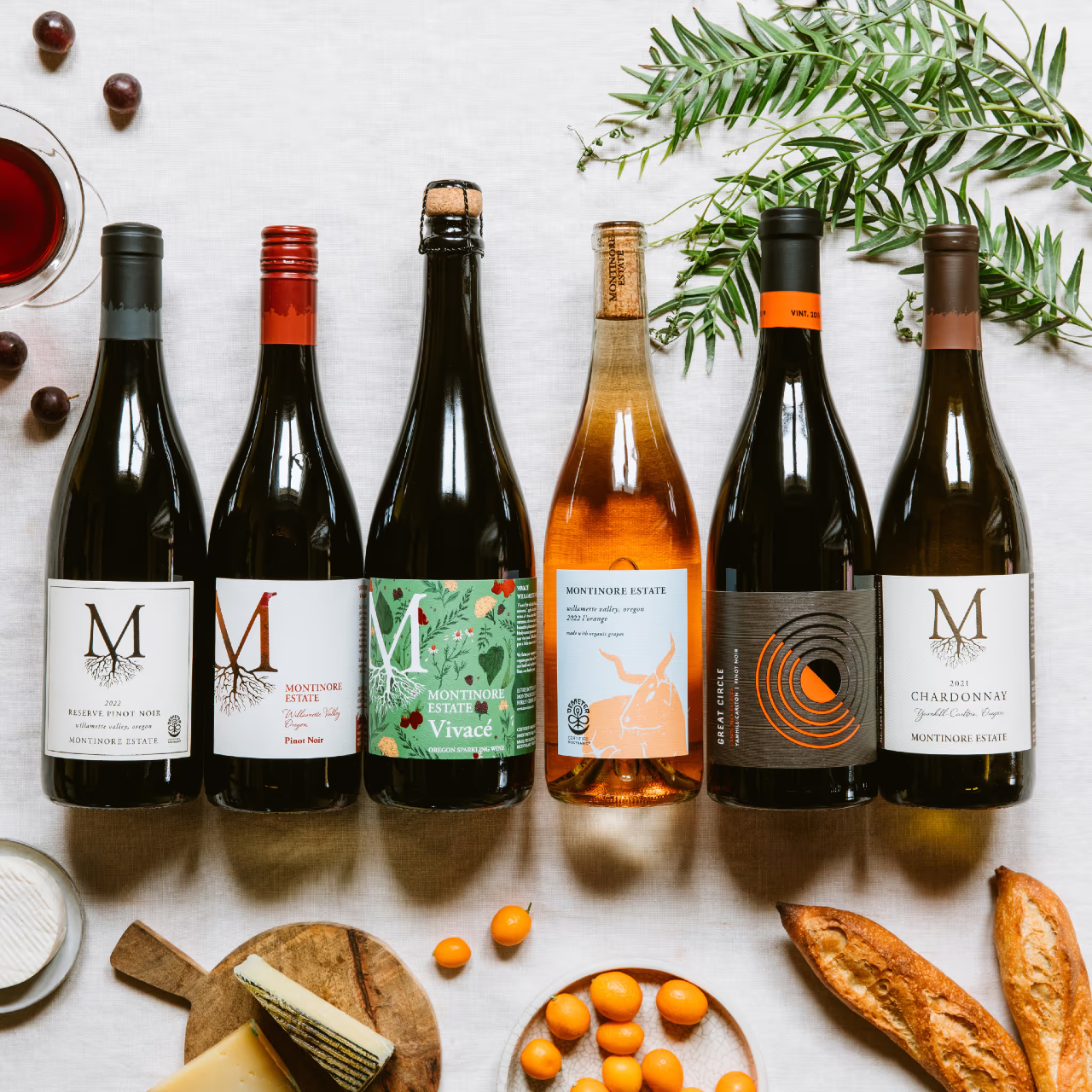
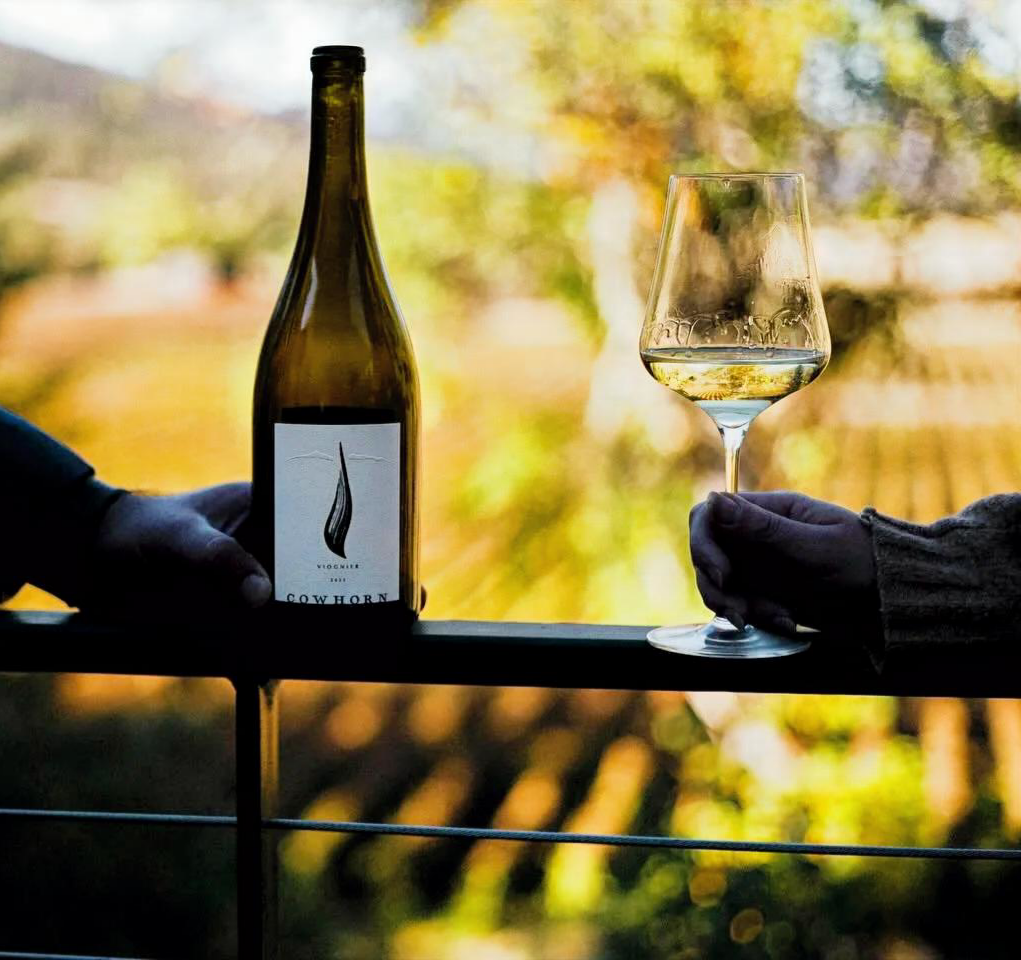
Montinore Estate and Cowhorn Vineyard and Garden featured in Forbes


Two Demeter-certified Oregon wineries were featured in a recent article in Forbes. Clay Wesson of Montinore Estate and Mini Byers of Cowhorn Vineyard and Garden were interviewed about how Biodynamic production methods affect the qualities of their wines. They discussed details of their use of the preparations, the differences between organic and Biodynamic certification, and the concept of the farm as a whole living organism.


Read the full interview here: How Do You Make Biodynamic Wines? And Why Are They Special?

Image description
Image description


Demeter Standards Feature


Links to the Demeter Farm and Processing Standards can be found on our website's home page: Demeter USA Farm and Processing Standards


Rodent Control


Both the Farm and Processing Standards address the control of rodent pests in facilities.  One requirement relates to anticoagulant bait products.  The EPA lists the following active ingredients as falling into this category:  

  • First-generation anticoagulants: warfarin, chlorophacinone, and diphacinone.
  • Second-generation anticoagulants: brodifacoum, bromadiolone, difenacoum, and difethialone.

The Demeter Processing Standard requires that, "Anti-coagulant poison baits [must be] in covered, solid bait boxes. Bait must be in a form that it cannot be carried off/consumed by other animals, such as a paste, etc. Such bait boxes cannot be used inside the processing facility, only on the outside as a prevention."   The Farm Standard similarly calls for methods that do not endanger other wildlife such as predators.

Image description

- Staff Corner -


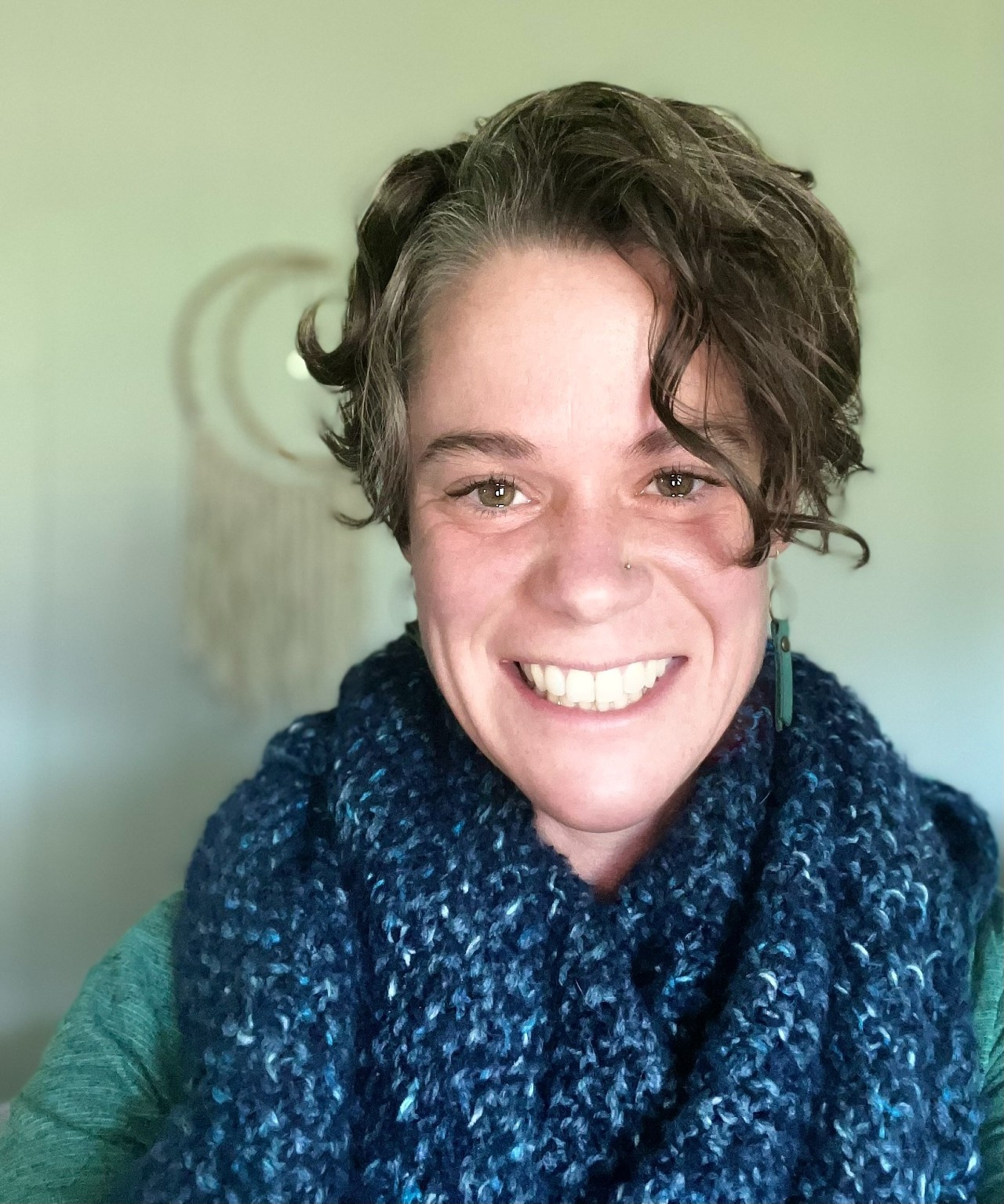
Natalie Brinkley

Certification Specialist

Visiting Churchtown Dairy with Jennie and Jean-David.

Your Personal Trainer: Rudolf Steiner


This November will be my 20-year anniversary with anthroposophy! In my practice I’ve read and listened to a wide variety of Rudolf Steiner’s work. It’s confusing and difficult to understand, to say the least. It’s a training, a workout, a preparation. I’ve come across two things that help tremendously, with song references to get your spiritual-gym playlist started:

  1. Hold on Loosely - 38 Special    It’s not a matter of necessarily believing what you’re reading (or listening to) but can you shift your thinking in a way that you can begin with “just” following along? As young children we experience books by flipping through the pages while looking at the pictures. We get a sense of what the book is about. Then, eventually, as our consciousness shifts, we can experience the book in more complex, intellectual, ways. If you don’t understand, “just hold on loosely, but don’t let go”.
  2. Stayin Alive – Bee Gees     It’s fitting this song is used in CPR classes for a chest compression rhythm to keep oxygen in the lungs. Often books are written in a chronological or linear fashion. It seems Steiner wrote and spoke in an expansive way where he starts on the periphery of a subject or concept, goes to the center, and then expands back out again. Like a breathing exercise… and how we stir preps!

Spiritual Gym Resources:

These are all free to download, please donate if you can!


Soil & Health Library - downloadable e-books about radical agriculture, natural hygiene/nature cure and self-sufficiency. Also includes articles from the Bio-Dynamics Journal from 1941-2007!


The Rudolf Steiner Archive – 1000+ books, articles, and lectures to read on the website or download.


Rudolf Steiner Audio – 250+ written works and lectures in audio format. Thank you, Dale Brusnvold!


Research Portals:

https://www.biodynamics.com/research-portal

https://biodynamie-recherche.org/

https://demeter.net/biodynamics/biodynamic-research/

Image description

Research Focus


Biodiversity and Agricultural Resilience


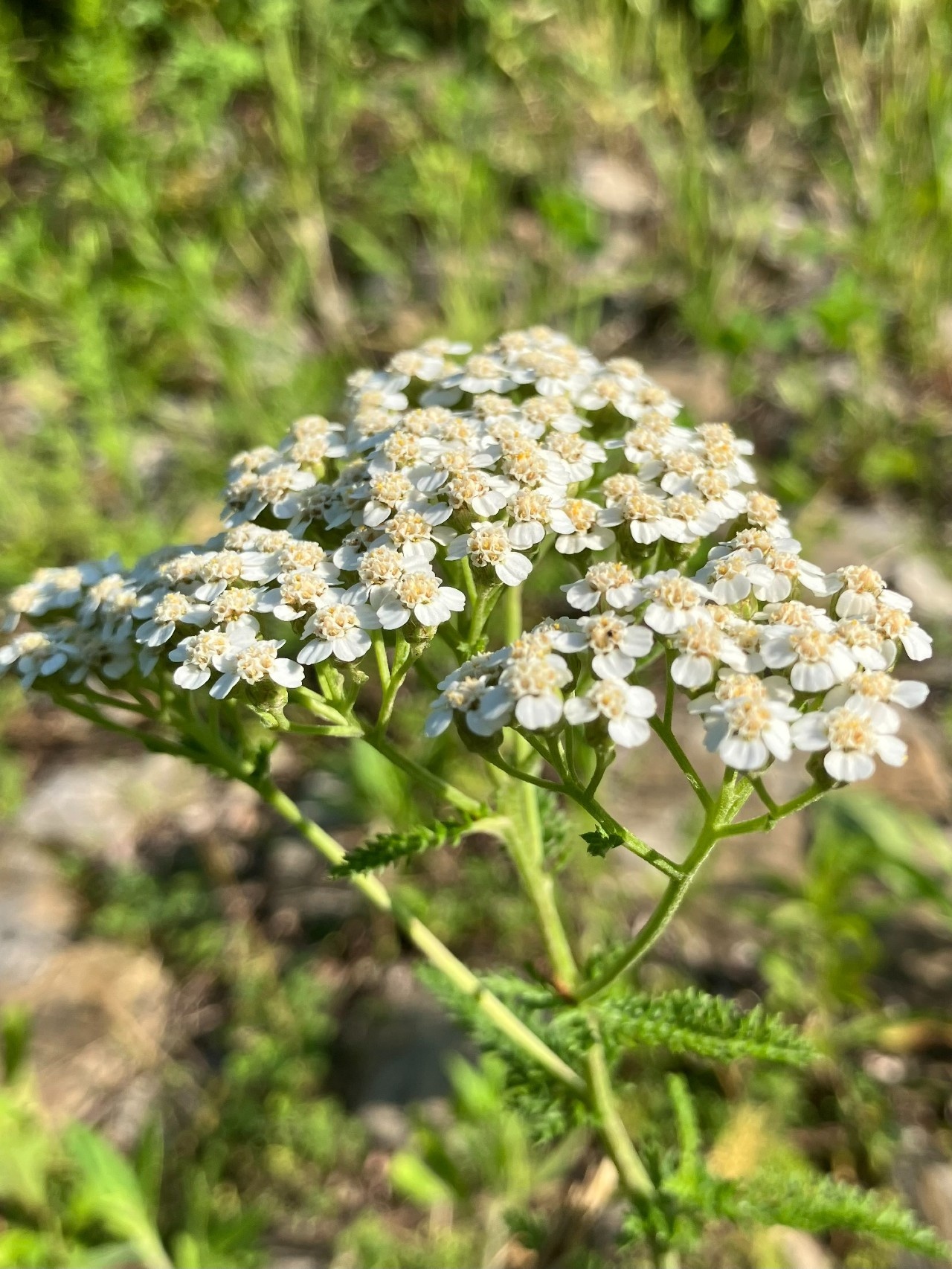
The Demeter Farm Standards place the enhancement of biodiversity on the farm at the forefront of the requirements for Biodynamic certification: “A Demeter certified farm must have a minimum of 10% of its total effective land base- clearly documented in a calculated acreage figure- set aside as a biodiversity reserve. This preserves wildlife diversity, endangered species habitat, and provides an overall reserve of diverse life forms to inoculate and inhabit the farm organism.”


Treating the farm like an organism functioning as a whole, or an ecosystem with interrelating parts, emphasizes the importance of a diversity of plants, insects, and animals to create the complexity of relationships that support resiliency.

An October 2024 article titled The Role of Biodiversity in Agricultural Resilience: Protecting Ecosystem Services for Sustainable Food Production published in the International Journal of Research Publication and Review focuses on the benefit to farms and communities of incorporating biodiversity into farm management goals.


The authors note that high biodiversity levels confer many benefits within an agricultural system, including efficient crop pollination due to abundant populations of pollinator species, effective nutrient cycling, better water retention and enhanced fertility due to rich populations of microorganisms in the soil, and resiliency in facing environmental challenges such as climate events, pests, and diseases. These and a number of other benefits are often described as Ecosystem Services, as they can aid the wider community through flood control, pest suppression, water quality improvements, carbon sequestration, habitat provision, and more.


Biodynamic farmers and others striving toward sustainability have shown us that it is possible to integrate a farm into an ecological landscape, with attention and observation given to how natural features and perennial and annual plantings can best serve this goal. The article notes that conversely, conventional agriculture is one of the largest threats to biodiversity on the planet. Monocropping, intensive use of fertilizer and other chemical inputs, soil compaction, and energy use can all contribute to species losses and ecological damage.


The paper touches on incentives and motivations that currently exist to encourage farmers to “implement practices that enhance biodiversity, such as cover cropping, agroforestry, and organic farming.” The USDA’s program Environmental Quality Incentives Program (EQIP) is cited as an example, in addition to private sector initiatives and certification programs.


Biodynamic certification, though not widely recognized, is the original program to promote biodiversity as a key pillar of sustainable and regenerative farming practices. More research continues to be published and recognition given to the role that biodiverse ecosystems play on farms, across the wider landscape, in communities, and globally. There is opportunity for Biodynamic practitioners to highlight this abundant evidence of the beneficial role of biodiverse Biodynamic farms and Demeter certification.


Since nature has the most sustainable ecosystem and since ultimately agriculture comes out of nature, our standard for a sustainable world should be nature’s own ecosystem.

--Wes Jackson, Founder of The Land Institute

Image description


Methods for establishing Native Plantings and Meadows

Instructional Manual Available


The Biodynamic Farm Standard requires diverse plantings comprising 10% of a farm’s effective land base as a biodiversity reserve. The native plant company Indigenous Landscapes, located in West Chester, Ohio, has published guides to help with the establishment of native plant communities on large and small scales. Below are a few tips, and you can also visit this page of their website for more details: 2025 Seed Mix Instructional Manual — Indigenous Landscapes


The following is exerpted from an Indigenous Landscapes social media post:

“Establishing Native Plantings in Small Areas and Gardens:

1. In late summer, remove the weeds/vegetation from the area you plan to establish new native perennials, and keep the area weed/vegetation free into the fall. - This opens a niche for the new plants to be.

2. In the early fall, mix the species of native seeds you'd like to establish into your landscape in to 1/4 of a 5 gallon bucket of compost. You can mix them separately for establishing 1 species in a specific area, or you can mix species together to establish multiple species in an area.

3. Apply the compost/seed mix to the surface of the soil you've cleared/prepared in step 1, and press the mix into the surface of the soil with your shoe and body weight.

4. Leave the spots be, without maintenance through the fall and winter until the following spring. If you see recognizable weeds coming up in the spots like dandelions, clover, or other common yard weeds you can pull those from the spots in the spring leaving the native seedlings behind to establish cleanly as pictured [in this social media post].

Note: This method will work for 90%+ of native wildflower species. Some species have double dormancy though, and may not germinate until the following year. Scarifying most legume species like Baptisia and Senna speeds up their germination too or else they may not germinate the first spring.”


For larger areas, Indigenous Landscape’s online instructional manual has a section aimed at organic growers that covers site preparation strategies such as cardboard mulching, solarization, and tillage.


For seeding, they recommend mixing seed mixes with sand for even distribution at the following rates:


1,000 square feet to 2,000 square feet - 1 5-gallon bucket of dry sand

1/8 acre - 2  5-gallon buckets of dry sand

1/4 acre - 4  5-gallon buckets of dry sand

1/2 acre - 8  5-gallon buckets of dry sand

1 acre - 16  5-gallon buckets of dry sand


First year and long term maintenance of your native meadow are also detailed.

Save the Dates!


After an inspiring 2024 Online Biodynamic Conference, the Biodynamic Association is currently planning the program for 2025. Stay tuned for more information on theme, workshops, and presenters.


Compiled recordings from the 2024 conference are also available.

www.biodynamics.com/online-conference

Image description


~ CALENDAR ~


If you'd like your event announced in our monthly newsletter, please send details to:

[email protected]


▪▪▪▪▪▪▪▪▪▪▪▪▪▪▪▪▪▪▪▪▪▪▪▪▪▪▪▪▪▪▪▪▪▪▪▪


Sonoma Regenerative Organic and Biodynamic Educational 

Wine Tasting Event

August 17th

San Francisco, CA

For details: S.O.R.B.E.T. Tickets / Event Brite


▪▪▪▪▪▪▪▪▪▪▪▪▪▪▪▪▪▪▪▪▪▪▪▪▪▪▪▪▪▪▪▪▪▪▪▪


Third Annual International Biodynamic Research Conference

August 31st -- September 4th

Cirencester, UK

For details: Biodynamic Research Conference


▪▪▪▪▪▪▪▪▪▪▪▪▪▪▪▪▪▪▪▪▪▪▪▪▪▪▪▪▪▪▪▪▪▪▪▪


JPI Fall Preparation Workshop

September 5th -- 7th

Floyd, VA

For details: Fall Prep Making Workshop


▪▪▪▪▪▪▪▪▪▪▪▪▪▪▪▪▪▪▪▪▪▪▪▪▪▪▪▪▪▪▪▪▪▪▪▪


You can find many more events on the Biodynamic Association's

Event Calendar:

BDA Community Calendar


▪▪▪▪▪▪▪▪▪▪▪▪▪▪▪▪▪▪▪▪▪▪▪▪▪▪▪▪▪▪▪▪▪▪▪▪


Demeter Business Meetings:

Demeter Standard Committee – meets the 2nd and 4th Tuesday of the month

Demeter Board – meets the 3rd Monday of the month

Image description

Demeter Association, Inc.

317 Church Street
Phoenixville, PA 19460


www.demeter-usa.org

Facebook: Demeter USA Instagram: demeter_usa

If you would like to unsubscribe, please click here.
Powered by Sender.net