͏‌ ͏‌ ͏‌ ͏‌ ͏‌ ͏‌ ͏‌ ͏‌ ͏‌ ͏‌ ͏‌ ͏‌ ͏‌ ͏‌ ͏‌ ͏‌ ͏‌ ͏‌ ͏‌ ͏‌ ͏‌ ͏‌ ͏‌ ͏‌ ͏‌ ͏‌ ͏‌ ͏‌ ͏‌ ͏‌ ͏‌ ͏‌ ͏‌ ͏‌ ͏‌ ͏‌ ͏‌ ͏‌ ͏‌ ͏‌ ͏‌ ͏‌ ͏‌ ͏‌ ͏‌ ͏‌ ͏‌ ͏‌ ͏‌ ͏‌ ͏‌ ͏‌ ͏‌ ͏‌ ͏‌ ͏‌ ͏‌ ͏‌ ͏‌ ͏‌ ͏‌ ͏‌ ͏‌ ͏‌ ͏‌ ͏‌ ͏‌ ͏‌ ͏‌ ͏‌ ͏‌ ͏‌ ͏‌ ͏‌ ͏‌ ͏‌ 
Is this email not displaying correctly? View it in your browser.
Image description

 Map


Image description

News Announcement 

European Commission

The Joint Research Centre: EU Science Hub

August 21, 2025

Image description

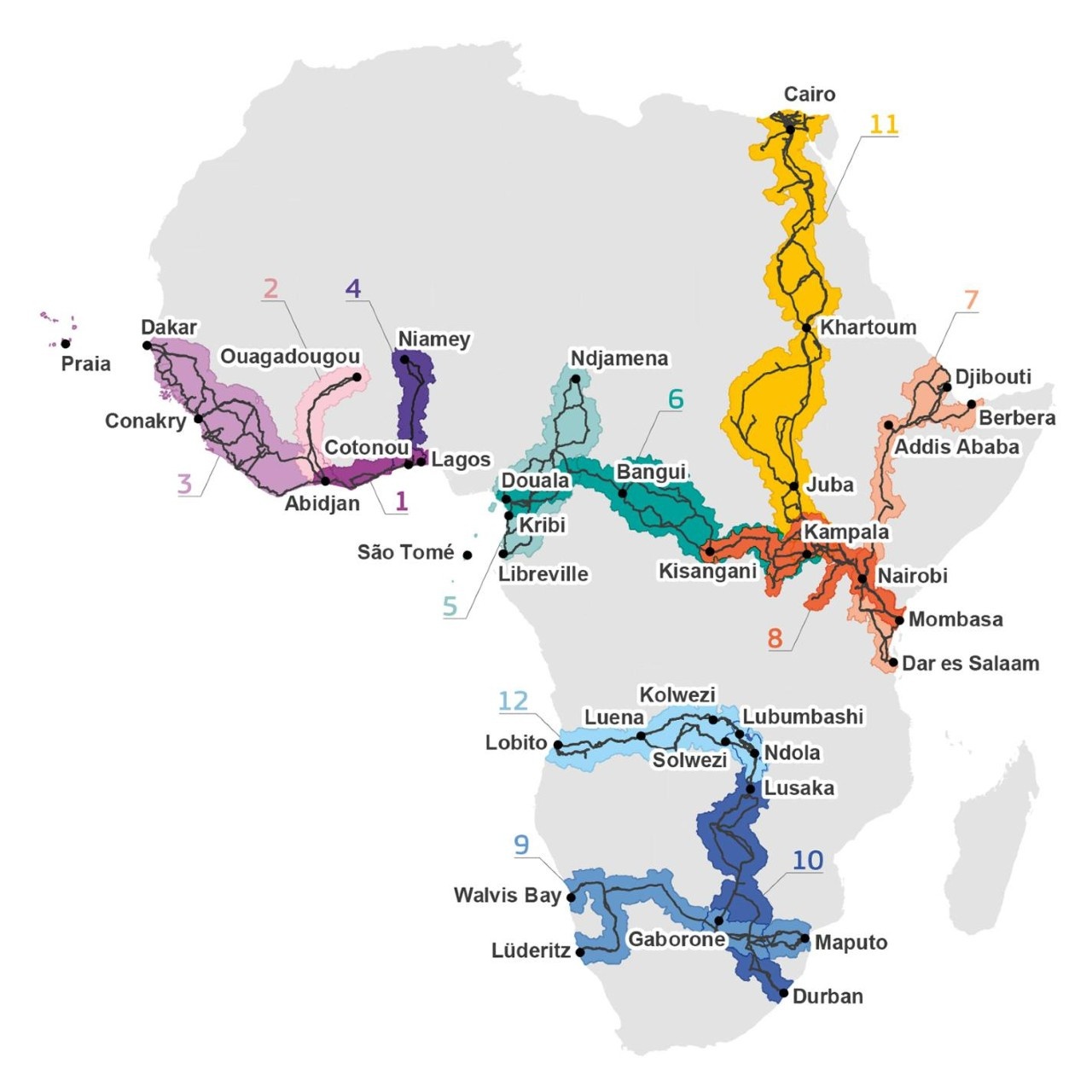
Global Gateway Envisaged Corridors

Image description

EU Global Gateway support to strengthen transport and trade

between Africa and Europe


A recent study by the Joint Research Centre assessed the potential impact of development initiatives in 11 strategic corridors running through Africa, aiming to strengthen transport and trade efficiency, reduce the carbon footprint and protect biodiversity, enhance digitalisation, improve accessibility, unlock productive areas and support value chains.


List of envisaged corridors

  1. Abidjan-Lagos (West Africa) – Côte d’Ivoire, Ghana, Togo, Benin, Nigeria;

  2. Abidjan-Ouagadougou (West Africa) – Côte d'Ivoire, Burkina Faso;

  3. Praia-Dakar-Abidjan (West Africa) – Cabo Verde, Senegal, Gambia, Guinea-Bissau, Guinea, Sierra Leone, Liberia, Côte d’Ivoire;

  4. Cotonou-Niamey (West Africa): Benin, Niger;

  5. Libreville-Kribi-Douala-N’Djamena (Central Africa) – São Tomé and Príncipe, Gabon, Equatorial Guinea, Cameroon, Chad;

  6. Douala-Kribi-Bangui-Kisangani-Kampala (Central Africa) – Cameroon, Central African Republic, Democratic Republic of the Congo, Uganda;

  7. Dar es Salaam-Nairobi-Addis Ababa-Berbera-Djibouti (East Africa) – Tanzania, Kenya, Ethiopia, Somalia, Djibouti;

  8. Mombasa-Kisangani (East Africa) – Kenya, Uganda, Rwanda, Democratic Republic of the Congo;

  9. Maputo-Gaborone-Walvis Bay-Lüderitz (Southern Africa) – Mozambique, South Africa, Eswatini, Botswana, Namibia;

  10. Durban-Lusaka-Lubumbashi (Southern Africa) – South Africa, Botswana, Zimbabwe, Zambia, Democratic Republic of the Congo;

  11. Cairo-Khartoum-Juba-Kampala (North and East Africa) – Egypt, Soudan, South Sudan and Uganda. The assessment of this corridor has been postponed.

  12. Lobito-Kolwezi-Lubumbashi-Solwezi-Ndola (Southern Africa) – Angola, Democratic Republic of the Congo, Zambia. 


 Worth 

 Reading  


Image description

Commentaries

Istituto Affari Internazionali

by Michele Collazo

November, 2025

Image description
Image description

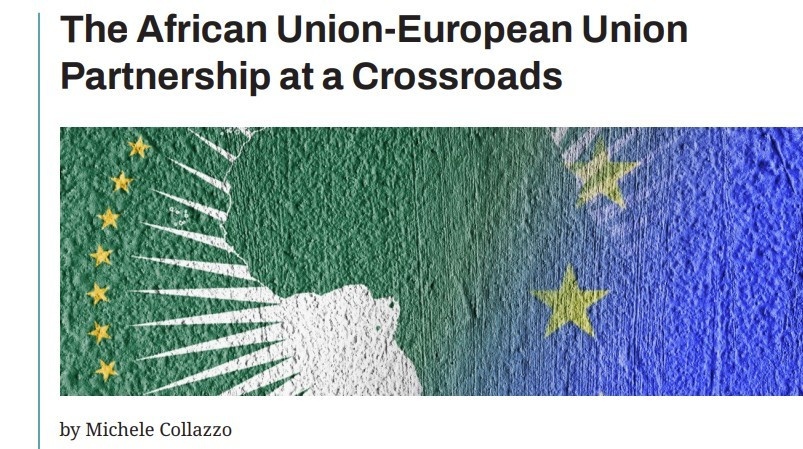
The AU-EU partnership stands at a decisive moment, as global fragmentation and external competition threaten both organisations’ relevance and influence.

Europe must back AU leadership, regional integration and AU-led security by matching words with deeds and moving beyond Eurocentric approaches.

By acting together as genuine partners of equals, the two organisations can strengthen multilateralism in crisis and improve global governance.

Download commentary ►►

 Worth
 Reading 


Image description

Brief

European Centre for Development Policy Management

by 

Sara Gianesello and

Sophie Desmidt

November 21, 2025

Image description

 Global Gateway investments in fragile settings: How to do it?

Image description

In this brief, Sara Gianesello and Sophie Desmidt analyse how the EU can better integrate principles of conflict and climate sensitivity into its Global Gateway investments in fragile and conflict-affected contexts to ensure they contribute to long-term peace and resilience.

Read more ►►
Download brief (pdf) ►►

 Worth
 Reading 


Image description

Report  

Africa Europe foundation

November 18, 2025

Image description
Image description

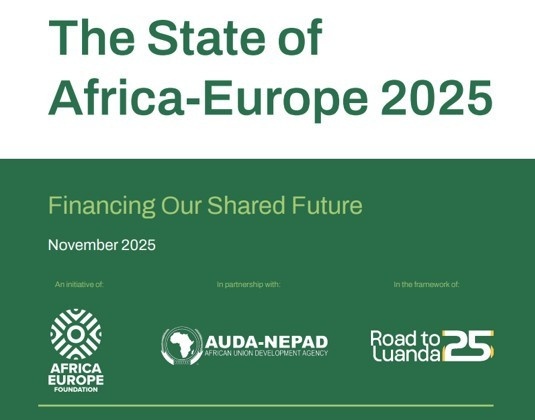
The Africa-Europe Foundation (AEF) calls for a new era in the relationship between Africa and Europe, one defined not by aid but by equitable investment, not by declarations but by measurable delivery. Produced by AEF together with the African Union Development Agency (AUDA-NEPAD) and more than 50 leading African and European research institutions, ‘The State of Africa-Europe 2025 - Financing Our Future’ report outlines a pragmatic agenda for a partnership rooted in fairness, shared accountability and real outcomes.

Read more ►►
Download report (pdf) ►►

 Worth
 Reading 


Image description

Brief

European Centre for Development Policy Management

by 

Hanne Knaepen and

Alfonso Medinilla

November 12, 2025

Image description

A call for realignment on Africa-Europe

climate and energy cooperation

Image description

Ahead of the AU-EU summit, Africa and Europe share an interest in rebuilding their climate and energy partnership. Hanne Knaepen and Alfonso Medinilla outline five recommendations for the summit and call for a broader shift in narrative: from supply chain security to co-created green value chains, and from viewing adaptation as a cost to recognising it as a driver of economic transformation.

Read more ►►
Download brief (pdf) ►►

 Worth
 Reading 


Image description

Policy Analysis  

Austrian Institute for International Affairs

by 

Angela Meyer

November, 2025

Image description

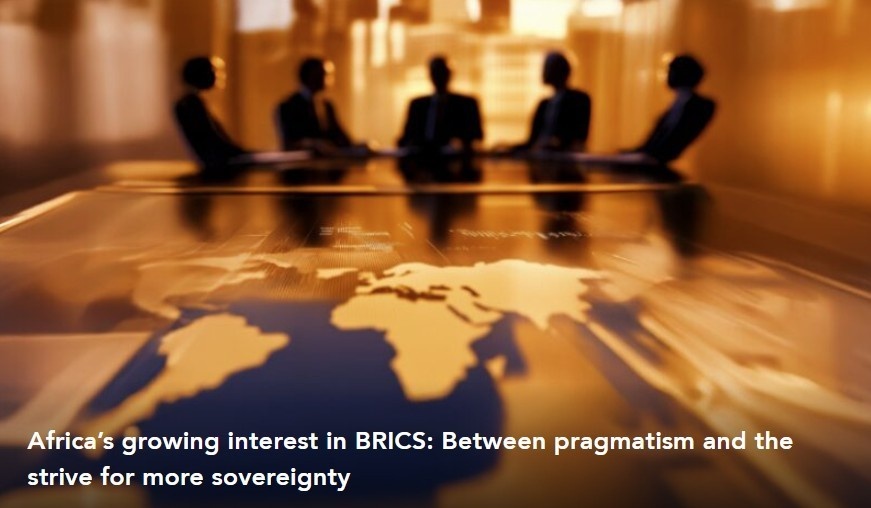
Africa’s growing interest in BRICS: Between pragmatism and the strive for more sovereignty

Image description

At their annual summit in Johannesburg in August 2023, the BRICS group, formed by Brazil, Russia, India, China and South Africa, decided to expand their alliance by admitting new member states. More than 40 countries expressed interest in joining or associating with BRICS, and 22 submitted formal applications. Among those wishing to join BRICS or at least strengthening ties with the organization are many African states. The Policy Analysis explores the reasons for this growing trend among African states and lays out the consequences for relations with Europe and the West.

Read more ►►
Download analysis (pdf) ►►

 Worth
 Reading 


Image description

Article + Report  

Mo Ibrahim Foundation

by Jozef Síkela

Published August 05, 2025

Image description

Driving change together: the EU's partnership with Africa towards sustainable prosperity

Image description

This article appeared as a contribution to the 2025 Ibrahim Forum Report, Financing The Africa We Want. 

Jozef Síkela is the Commissioner for International Partnerships at the European Commission.


In 2025, the EU-AU Partnership reaches a significant milestone, celebrating 25 years since its inception at the Cairo Summit in 2000. In this pivotal year, the successful 3rd EU-AU Ministerial Meeting in Brussels on 21 May paved the way for the upcoming 7th AU-EU Summit in Africa by the end of 2025. As we commemorate this anniversary, our partnership remains more committed than ever to fostering growth that is inclusive, sustainable and resilient.

Africa, with its vibrant youth population and abundant natural resources crucial for the green and digital transitions, presents a unique opportunity for transformative collaboration. The EU is dedicated to continuing to partner with Africa to foster strategic investments and innovative financial solutions to harness this potential and achieve substantial economic and social progress across both continents.

Read more ►►
Download 2025 Ibrahim Forum Report (pdf) ►►

 Useful
 Websites 


Image description

European Council on 

Foreign Relations - Africa Programme

Image description

The Africa programme analyses the geopolitics of the Africa-Europe relationship. In particular, the programme delves into relations between the African Union and the European Union to find creative foreign policy tools and strategies. It also focuses on two regions that are particularly relevant for Europe: the Horn of Africa and the Sahel.

Visit ECFR - AFRICA website ►►

 Useful Websites 

 +

 Funding for

 African

 Academics


Image description

ESSA 

Education Sub Saharan Africa

Image description
Image description

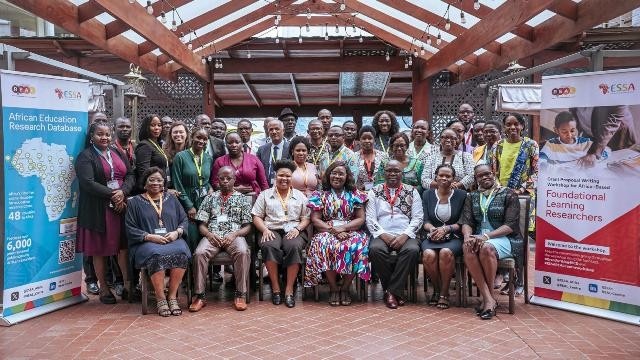
ESSA improves education using evidence and data from Africa in research, advocacy and programme design.

We take a systems approach by identifying challenges and co-designing solutions in partnership with local education researchers, higher education leaders, policymakers, funders and employers to improve education outcomes for young people.

Our research generates actionable insights that inform decisions, policies and practice and strengthen education systems.

Visit ESSA website ►►

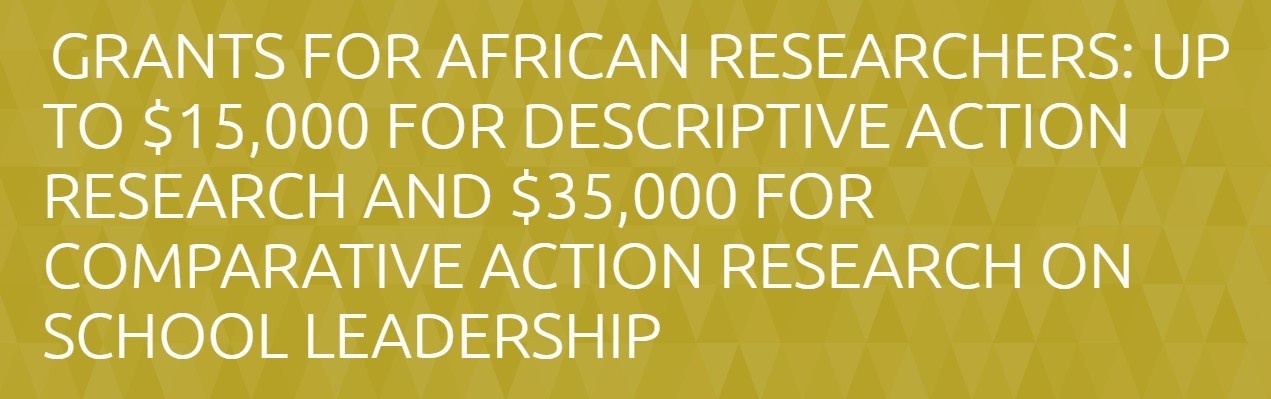
ESSA's latest call for applications for Grants for African Researchers ended on January 11, 2026. You can follow the link provided hereafter to learn about this offer from ESSA.

Image description
View the Grants offer from ESSA (closed) ►►

 News  


Image description

Speech  

European Commission 

November 24, 2025

Image description

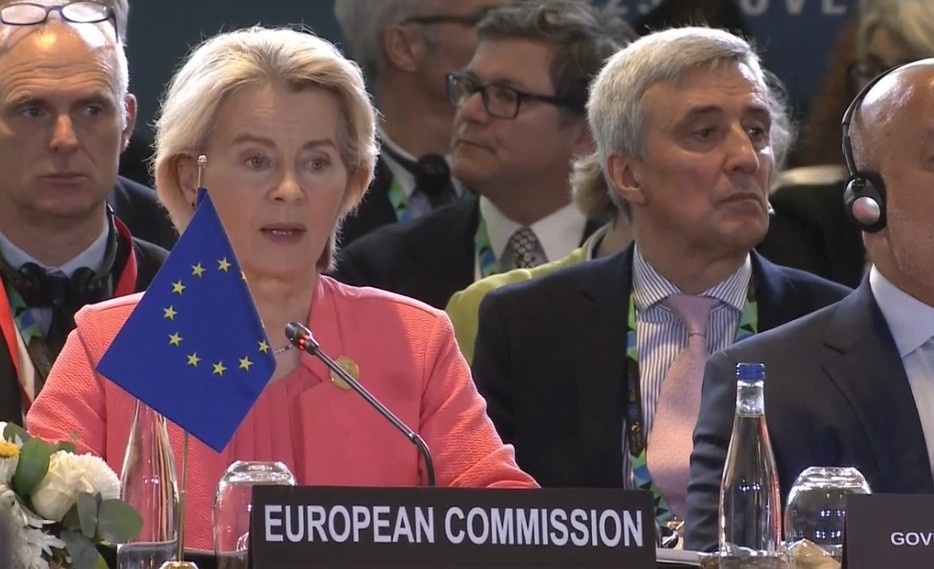
Opening speech by President von der Leyen at the 7th European Union – African Union Summit

Image description

On 24 November 2025, Ursula von der Leyen, President of the European Commission, travelled to Luanda, Angola.Ursula von der Leyen participated in the 7th EU-African Union (AU) Summit co-chaired by João Lourenço, President of Angola, and António Costa, President of the European Council.

The event marked the 25 years of partnership and was organised under the theme 'Promoting Peace and Prosperity through Effective Multilateralism' and focused on strengthening the EU-AU cooperation, including on sustainability; areas of peace, security and governance; multilateral fora; and migration and mobility.


"...The last time we met in this format was mid-February 2022, just after the global pandemic and just before war returned to Europe. And before global politics became much more competitive and transactional.

Since then, our world has changed profoundly. Global trade is more politicised than ever. Tariffs and trade barriers are being wielded aggressively. Export controls have become a tool to damage competitors and extract concessions. Global overcapacity in certain strategic fields has reached an all-time high.

This is harming industries – on both our continents. With consequences felt deep inside our societies. In this new reality, Africa and Europe are called to answer the very same questions. How can we create good jobs for our people, and deliver on the aspirations of our youth? How can we derisk and diversify our economies? How can we break free from unsustainable dependencies – while ensuring access to the capital, resources and technologies we need?..." Ursula von der Leyen

Read more ►►
Watch the video of the speech ►►

 News  


Image description

Article

European Commission 

Published 

December 23, 2025

Image description

 Innovations for Climate Resilience and Sustainable Energy: Africa and Europe strengthen cooperation under the AU–EU Innovation Agenda

Image description

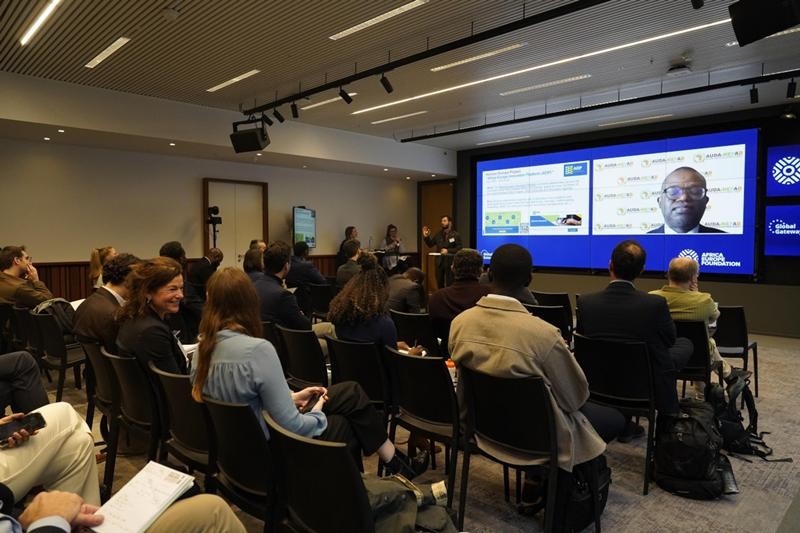
Innovators, entrepreneurs, researchers, programme leaders and policymakers from Africa, Europe and beyond convened on 17 December 2025 in Brussels and online for the fifth edition of the Workshop Series: Implementing the AU–EU Innovation Agenda.

Co-organised by the African Union (AU), the European Union (EU) and the Africa–Europe Foundation, within the framework of the 10-year AU–EU Innovation Agenda (2023–2033), this edition focused on a key thematic priority: “Innovations for Climate Resilience and Sustainable Energy in Africa–Europe Collaborations”. Representatives of Kenya’s and Nigeria’s Missions to the EU also joined in the co-moderation of the Workshop.

The hybrid event brought together around 40 participants on site in Brussels and more than 250 online throughout the day.

Read more ►►

 News  


Image description

Press Release

Delegation of the European Union to the African Union

Published 

November 24, 2025

Image description

 AU-EU Civil Society and Youth Forum

Image description

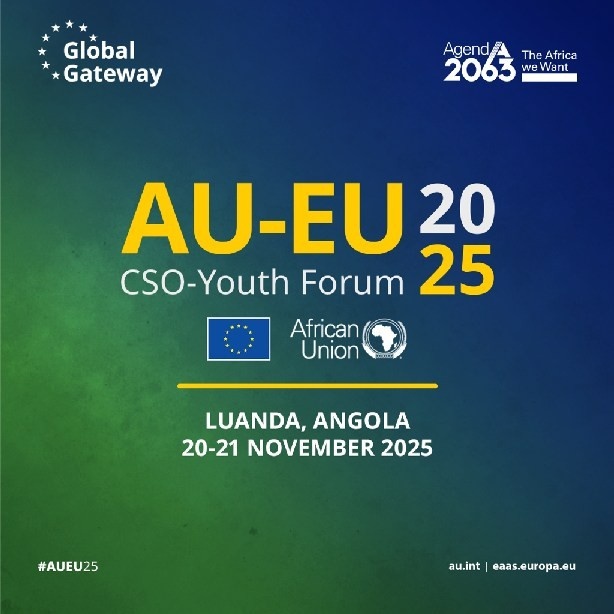
In the margins of the African Union and European Union summit, Civil Society and Young leaders from across both continents are invited to Luanda, Angola Forum to participate in the agenda of 7th AU-EU Summit and prepare recommendations to present to Heads of State and Government.

Read more ►►

 News  


Image description

Article

Dawan Africa

Published 

January 12, 2026

Image description
Image description

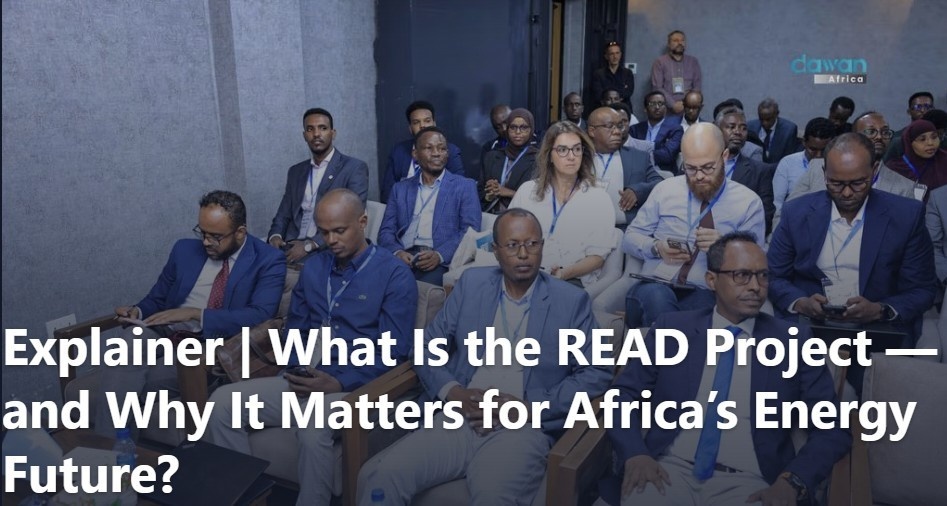
Sub-Saharan Africa faces a paradox: it holds vast renewable-energy potential, yet millions of people remain without reliable electricity, while universities struggle to train the skilled workforce needed for a green transition.

The READ Project—short for Renewable Energy Advancement for Inclusive Development in Sub-Saharan Africa—aims to bridge this gap by transforming how renewable energy is taught, researched, and linked to jobs across the region.

Read more ►►

 Podcast  

  European Centre for 

  Development Policy 

  Management 

  November 19, 2025


Image description
Image description

Europolis: The global Europe podcast

Image description

 Why the EU and Africa need each other in a fragmented worldold


Image description

As global multilateralism faces attacks and geopolitical competition intensifies, the European Union and the African Union are preparing for a critical summit in Angola. But in a world of messy geopolitics, can these two neighbouring continents find common ground?


In this episode of Europolis: the Global Europe podcast, Sophie Desmidt interviews Gustavo de Carvalho, senior researcher at the South African Institute of International Affairs (SAIIA), on whether Europe and Africa can move beyond old donor-recipient dynamics to become the "adults in the room": stabilising forces that champion multilateralism as others step back.

Read more ►►
Watch on YouTube ►►

 Podcast  

  BBC - Focus on Africa 

  December 31, 2025


Image description
Image description
Image description

 What's in store for Africa 2026?


Presenter Charles Gitonga

Image description

As the year draws to a close, this episode looks ahead to some of the stories and events that could likely shape 2026. We ask which warning signs are already flashing, and what might still catch the world off guard. We also examine new research suggesting AI chatbots may carry built-in bias against Africa, raising fresh questions about technology, power and representation.

Read more ►►

 Podcast  

  The Crisis Group - The Horn 

  December 08, 2025


Image description
Image description
Image description

Global Disorder, Horn of Africa Turmoil.

Can Europe Keep Up?


Presenter Alan Boswell

with Heiko Nitzschke

Image description

In this episode of The Horn, Alan  is joined by Heiko Nitzschke, Germany’s special envoy for the Horn of Africa, to discuss whether and how Europe needs to adapt its approach towards the Horn of Africa. While Europe used to act in relative sync with the U.S. in Africa, this is increasingly less the case. Meanwhile, numerous other powers, mostly from the Middle East, are pursuing their own objectives. Amid all this, how does Europe avoid going it alone in the Horn of Africa region? And, amid these shifts, is Europe rethinking longstanding policy ideas around development, multilateralism and mediation?

Read more ►►

 Book Review


Image description

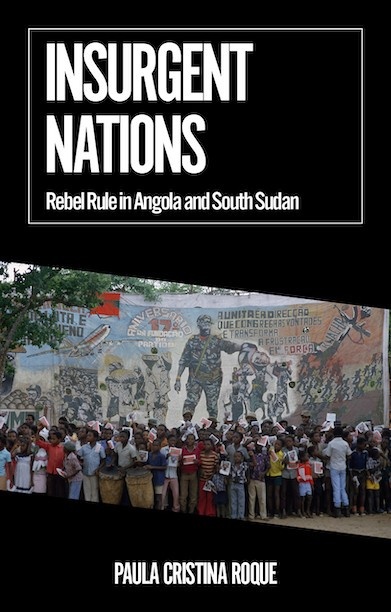
Insurgent Nations:

Rebel Rule in Angola and South Sudan


Paula Cristina Roque, 

 London: Hurst, 2024

Image description

Paula Cristina Roque’s Insurgent Nations: Rebel Rule in Angola and South Sudan offers a rich comparative analysis of how insurgent movements attempt to construct alternative political orders during protracted civil wars. Focusing on UNITA in southern Angola and the SPLM/A in South Sudan, Roque moves beyond conventional explanations that prioritize external patronage or Cold War geopolitics, instead foregrounding elite agency, institutional path dependency, and critical junctures in shaping divergent insurgent trajectories.

The book’s analytical eclecticism—drawing on political sociology, historical institutionalism, and theories of rebel governance—is handled with clarity and narrative accessibility, making a complex theoretical argument of interest to both specialists and general readers. A central contribution of the book lies in its argument that durable insurgent rule depends less on external support than on internally generated administrative capacity and political mobilization. Roque contrasts the SPLM/A’s militarized governance model, shaped in part by its experience under Ethiopia’s Derg regime and its reliance on NGOs for civilian services, with UNITA’s Maoist-inspired strategy of embedding party cadres within rural communities. While UNITA’s “shadow state” reinforced Jonas Savimbi’s authoritarian leadership, it also fostered grassroots institutions capable of surviving beyond the battlefield. By contrast, the SPLM/A’s failure to civilianize authority entrenched militarism and elite fragmentation, dynamics that later contributed to South Sudan’s post-independence collapse.

The book is particularly persuasive in tracing how early institutional choices persist across wartime and post-war transitions. Roque shows that UNITA’s temporary degeneration into a resource-fueled warlord movement in the 1990s nearly destroyed its political project, yet its post-2002 reinvention drew on earlier traditions of popular mobilization. In South Sudan, however, the SPLM/A’s path-dependent militarism proved resistant to reform even after independence, culminating in renewed civil war.

Overall, Insurgent Nations makes a compelling case for taking insurgent governance seriously as a formative process of nation-making, offering important insights for scholars of civil war, state formation, and African politics.

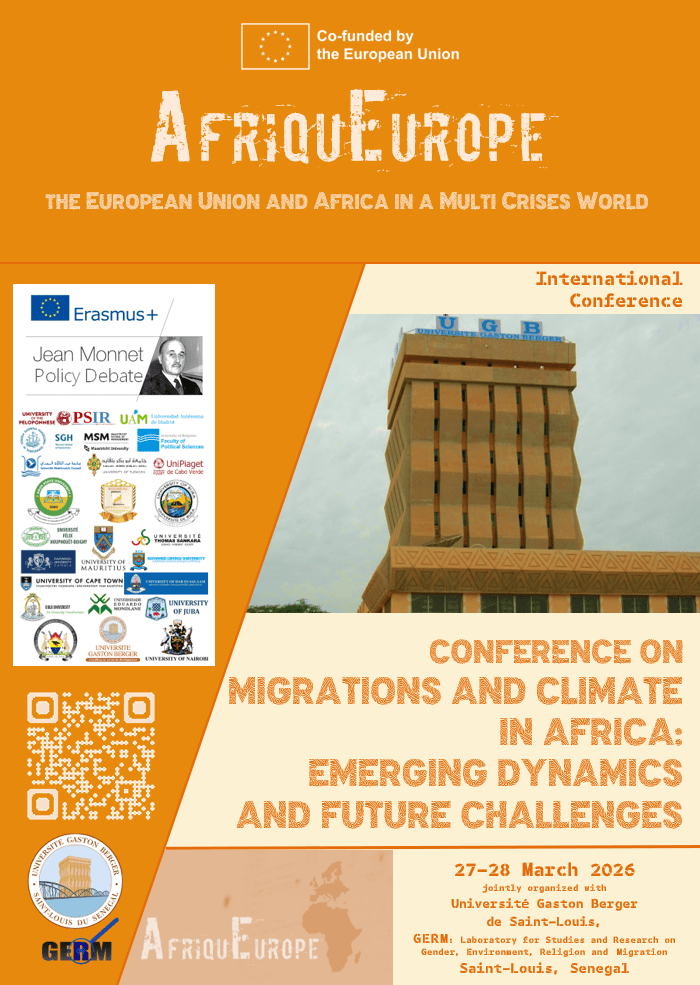
 AfriquEupope

 Upcoming Event

  8th Conference

  Saint-Louis, Senegal

  March 27-28, 2026


Image description
Image description
Image description
Image description

AfriquEurope Project - 8th Conference


Migrations and Climate in Africa: Emerging Dynamics

and Future Challenges


jointly organized with

Université Gaston Berger de Saint-Louis, and

GERM: Laboratory for Studies and Research on Gender, Environment, Religion and Migration

Saint-Louis, Senegal

23 January 2026: Deadline for submissions

Call for Papers ►►
Appel à contributions ►►
Image description
Conference Webpage ►►
AfriquEurope-consortium-logos
Image description

AfriquEurope Newsletter Editorial Team

  • Asteris Huliaras
  • Sotiris Petropoulos
  • Alexandros Legouras
  • Angeliki Fotopoulou
  • Costas Mylonopoulos

The AfriquEurope project and the University of the Peloponnese acting as the AfriquEurope's project consortium coordinator are committed to protecting and respecting the privacy of users of its online services and comply with the General Data Protection Regulation (Regulation (EU) 2016/679 of the European Parliament and of the Council of 27 April 2016). It does not disclose personal data to third parties and applies reasonable policies and technical and organizational measures in order to protect the personal data of users.

If you would like to unsubscribe, please click here.
Powered by Sender.net