The Demeter Farm Standard’s focus on biodiversity is one of several aspects that sets Biodynamic certification apart from other programs. Here on our farm in central Pennsylvania, USA, we think a lot about biodiversity. One of our core goals is planting for wildlife, enhancing existing habitat, removing invasive species, and planting many many natives of all kinds – herbaceous plants, shrubs, trees, vines, and berries. Replacing non-native plants with natives can rapidly ripple up the food chain, encouraging native insects and the birds and other wildlife that use them as a food source. For a small produce grower and shepherd who sticks to natural methods, having a functioning ecosystem can help us balance insect and other pressures in our flock and garden.
The past century or so of our land’s history is agricultural, and for the last few years before we moved here it was intensively row-cropped, though had been planted in orchard grass the previous year. We were initially drawn to its mature fencerows and tributary stream at the bottom, which we knew would bring in a variety of wildlife seeking fresh water throughout the year.
In the fall of 2021, about 10 months after we closed on the property, we planted 200+ trees native to our area. Some we scattered, some we planted into the streambanks for stabilization, and some we established using the Miyawaki Method, in dense thickets, trying to mimic the way a forest might regenerate if a mature tree fell, exposing the forest floor to light and disturbance, and prompting an abundance of new growth from the seedbank. We have been intrigued to note how rapidly the species in these densely planted plots grow, driven in part by competition for sunlight, and perhaps also by symbiotic relationships among compatible cohorts of species that have evolved together in our area. Since then, we have also experimented with thickets comprised of densely planted groups of single species which naturally grow in pockets of monoculture; aspens, alders, American plums to name a few.
These dense plantings are now several years old and are thriving. If you take one of the walking trails that passes by, you are sure to see a variety of songbirds taking cover in the dense vegetation. Now that it’s winter and the leaves are off the branches, it is easy to see the remainders of last year’s nests.
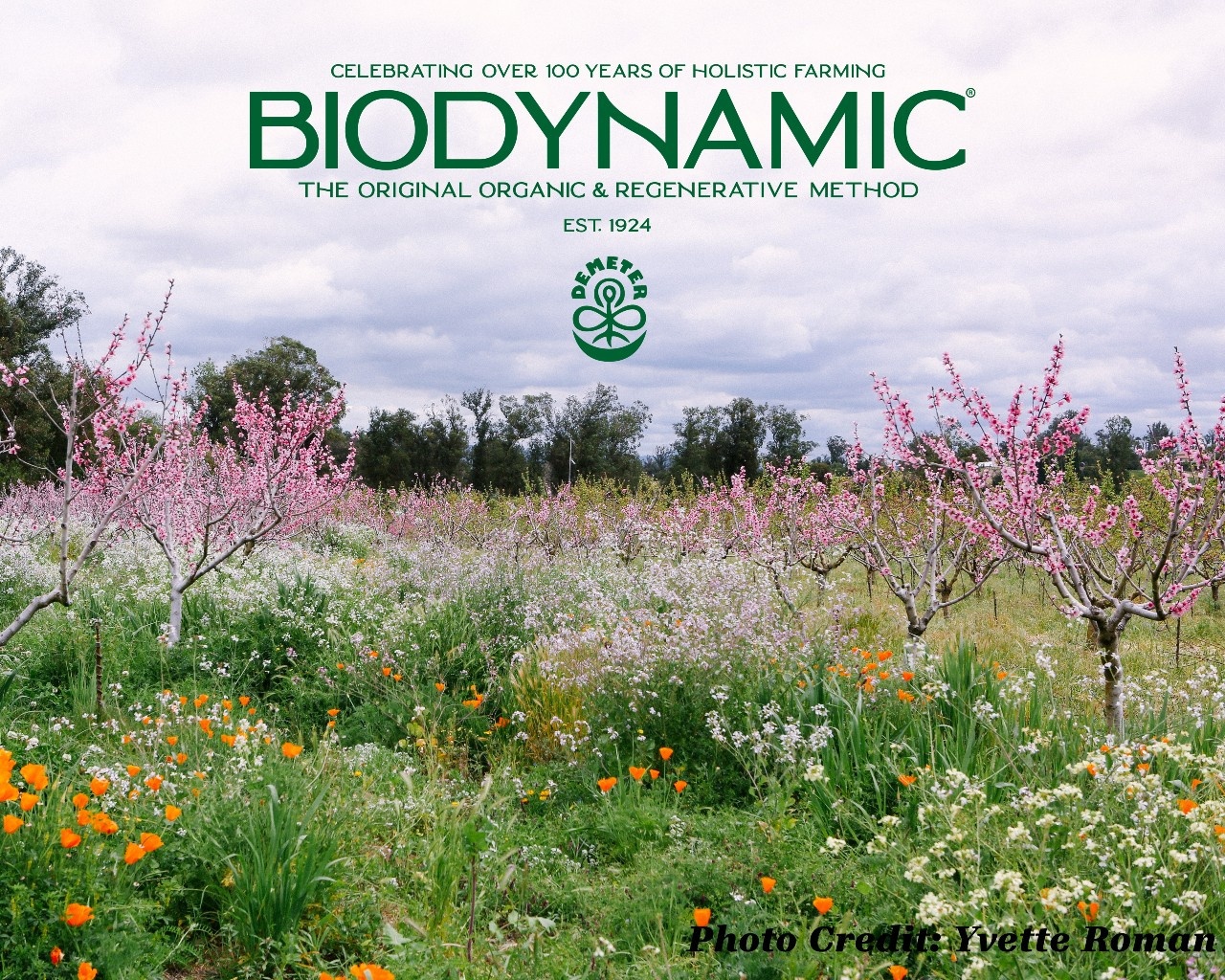
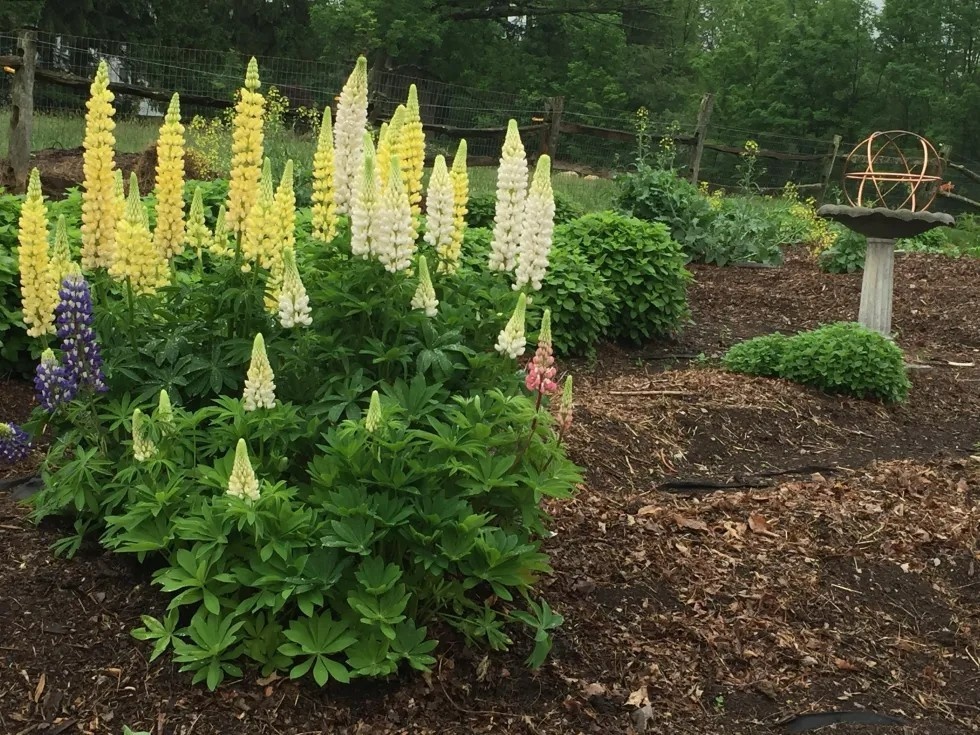
One thing I have learned since moving here: it does not take much to make a difference for local wildlife populations. One of our first projects upon moving here was putting in fence posts for garden and pasture fences. Before we were even done, Eastern bluebirds, tree swallows, and other species had moved into the interior of the hayfield, using the fence posts for perches. We stopped mowing one section of a hayfield, hoping to attract grassland nesting birds (rare in our area) and quickly had nesting pairs of Eastern Meadowlarks and Bobolinks move in. We planted some areas into native meadow species and were thrilled to observe the native bee, wasp, and butterfly species that arrived as it began to bloom. Imagine if we all made small changes to our yards and parks – removing invasive plant species, planting natives, adding access to fresh water in dry areas. Maybe we could begin to chip away at the biodiversity crisis plaguing the planet and begin to rebalance our native ecosystems. Time to spread the word.