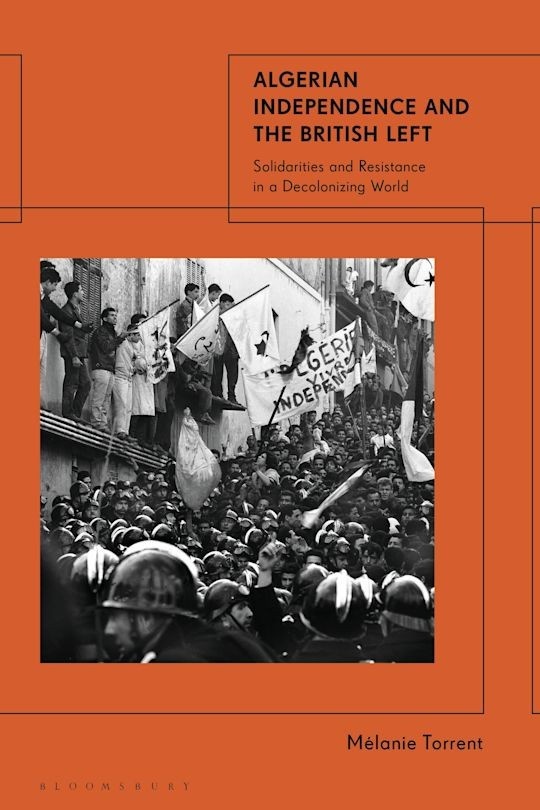
The book is a rigorously researched and an important contribution to the growing transnational historiography of decolonization. Moving beyond narrow national narratives, Torrent situates the Algerian War of Independence as a “multidimensional global event,” showing how the brutality of French counter-insurgency reverberated across British politics, civil society, and public opinion.
The book meticulously reconstructs the interactions between Algerian nationalist movements -particularly the FLN and the MNA- and a diverse array of British left actors, including Labour politicians, trade unionists, communists, and student activists. Torrent demonstrates that “The British Left” was far from monolithic: while figures such as Barbara Castle, Fenner Brockway, Nye Bevan, and Tony Benn articulated principled anti-imperialist positions, they operated within a domestic context where sections of the working class remained attached to empire and where fears of popular backlash constrained more radical criticism.
The study is especially strong in revealing the moral and strategic dilemmas faced by British socialists who were torn between commitments to pacifism and the recognition that armed struggle might be a legitimate response to colonial domination. Beyond documenting solidarities—petitions, demonstrations, lobbying, and propaganda networks—Torrent also offers a nuanced analysis of how the Algerian conflict shaped British thinking about empire, the military, and democracy more broadly.
The book persuasively links debates over Algeria to later anxieties about military politicization, notably during the crises over Rhodesia and Northern Ireland, where Labour leaders invoked “Algeria” as a code for the dangers of protracted colonial wars and military insubordination.
While Torrent avoids overstating the direct influence of the British Left on the outcome of the Algerian struggle, she convincingly shows how the conflict acted as a crucible for left-wing rethinking of imperial power, violence, and international solidarity. Overall, this is a landmark work that deepens our understanding of decolonization as an interconnected process and of the fraught, often contradictory, politics of left-wing anti-imperialism in mid-twentieth-century Britain.