͏‌ ͏‌ ͏‌ ͏‌ ͏‌ ͏‌ ͏‌ ͏‌ ͏‌ ͏‌ ͏‌ ͏‌ ͏‌ ͏‌ ͏‌ ͏‌ ͏‌ ͏‌ ͏‌ ͏‌ ͏‌ ͏‌ ͏‌ ͏‌ ͏‌ ͏‌ ͏‌ ͏‌ ͏‌ ͏‌ ͏‌ ͏‌ ͏‌ ͏‌ ͏‌ ͏‌ ͏‌ ͏‌ ͏‌ ͏‌ ͏‌ ͏‌ ͏‌ ͏‌ ͏‌ ͏‌ ͏‌ ͏‌ ͏‌ ͏‌ ͏‌ ͏‌ ͏‌ ͏‌ ͏‌ ͏‌ ͏‌ ͏‌ ͏‌ ͏‌ ͏‌ ͏‌ ͏‌ ͏‌ ͏‌ ͏‌ ͏‌ ͏‌ ͏‌ ͏‌ ͏‌ ͏‌ ͏‌ ͏‌ ͏‌ ͏‌ 
Is this email not displaying correctly? View it in your browser.
Image description
Image description

                           Demeter Newsletter -- May 2025


Greetings from Demeter!

In this issue:  
+ Certification News

+ Demeter Farms in the News: Johan Vineyards

+ Wine Camp Podcast features Evrett Lunquist

+ Standards Feature: Packaging Requirements

+ Research: Silicon and Climate Change

+ Staff Corner: Biodynamic Workshop in Central PA


Please send newsletter content suggestions or questions to:   [email protected]


Certification News


Preparing for your 2025 Demeter Inspection


Preparing for your Demeter Biodynamic inspection is a proactive way to ensure a smooth and successful process. Here are key steps to help you get ready:


1. Communicate Clearly with Your Inspector

Your inspector may send a pre-inspection checklist. Review it thoroughly and reach out to the certification office if you need assistance or have questions. If you'd like Demeter's in-house inspection preparation points, don't hesitate to ask.


2. Review Last Year's Inspection Report

Examine your previous inspection report to identify any changes or updates. Note any modifications in your farm's operations, such as land additions, new products, or changes in practices, and communicate these to your inspector before the inspection.


3. Compile Annual Records

Gather all relevant records from the past year, including:

  • Field maps and crop rotation plans
  • Input and output records
  • Biodynamic preparation applications
  • Harvest and sales data
  • Animal health and welfare documentation

Having these records organized will facilitate a smoother inspection process.


4. Update Operational Changes

Inform the Demeter office about any significant changes, such as:

  • Expansion or reduction of farm acreage
  • Introduction of new products or livestock
  • Alterations in farming practices or inputs

This ensures that your certification remains accurate and up-to-date.


5. Understand the Role of the Inspector

Remember, the inspector's role is to verify your farm's practices next to the Demeter Biodynamic standards. They are not involved in making certification decisions but are there to support you in maintaining compliance.


6. Embrace the Biodynamic Philosophy

At Demeter, inspections are viewed as opportunities for growth and connection within the Biodynamic movement.  The Biodynamic Farm Standards are an ideal to be striven towards with ongoing improvement.  Inspectors are trained to approach their role with a spirit of collaboration and support, helping you align with the holistic principles of Biodynamic farming.


7. Support Each Other

The Biodynamic community thrives on mutual support and shared commitment to ecological and ethical farming practices. Approach your inspection as a step in your ongoing journey, knowing that you are part of a larger movement dedicated to sustainable and regenerative agriculture.


If you need assistance with specific aspects of your inspection preparation or have questions about Demeter Biodynamic standards, feel free to ask!


Questions about certification?

Please contact Sarah: [email protected].

Image description

Thank you all so much for an outstanding 2024 certification cycle!  Nearly 1/3 of the reports I reviewed had no issues of concern noted at inspection!!

And as always, thank you for everything you do!  -- Natalie Brinkley, Certification Specialist

Calling all 

Photographers!

Image description

Demeter would love to feature your photos, with full credit, on our website, newsletter, social media, brochures, etc.  Demeter is working with a graphic design company to redesign our website and develop a cohesive exhibit booth for taking on the road to conferences and expos.  Our partner organization BFDI (Biodynamic Federation Demeter International) is also seeking high resolution photos.   If you are willing to share some nice shots of your farm, products, or facilities, we need your photos and would love to put them to good use in spreading the word about certified Biodynamic agriculture and products!  Please email high resolution images to: [email protected].


An additional special request for historical photos:

Demeter USA turns 40 years old this year.  Evrett is looking for photos related to Demeter's past.  He would welcome photos of Board meetings or Board members (past and present), staff in the field or at their desks, trade show and conference exhibit booths, and other examples of Demeter's history.  Photos in digital format can be emailed to [email protected].  Cleaning out your photo box?  Email Evrett for his mailing address.  Low resolution and high resolution photos alike are welcome.  Please include information identifying the subjects and locations.  Thank you in advance!


Notes from the Field...

We are reserving a spot in each of our newsletters to feature a farmer or other certified business owner. If you'd like to write a brief article about your experience with Biodynamic Production, Processing, or Marketing, or answer some interview questions about your operation, we'd love to share it with our readers!


Please contact Nell at [email protected] for more details.


Image description

Demeter Farms in the News...


Johan Vineyards Event, Lamb-a-Palooza


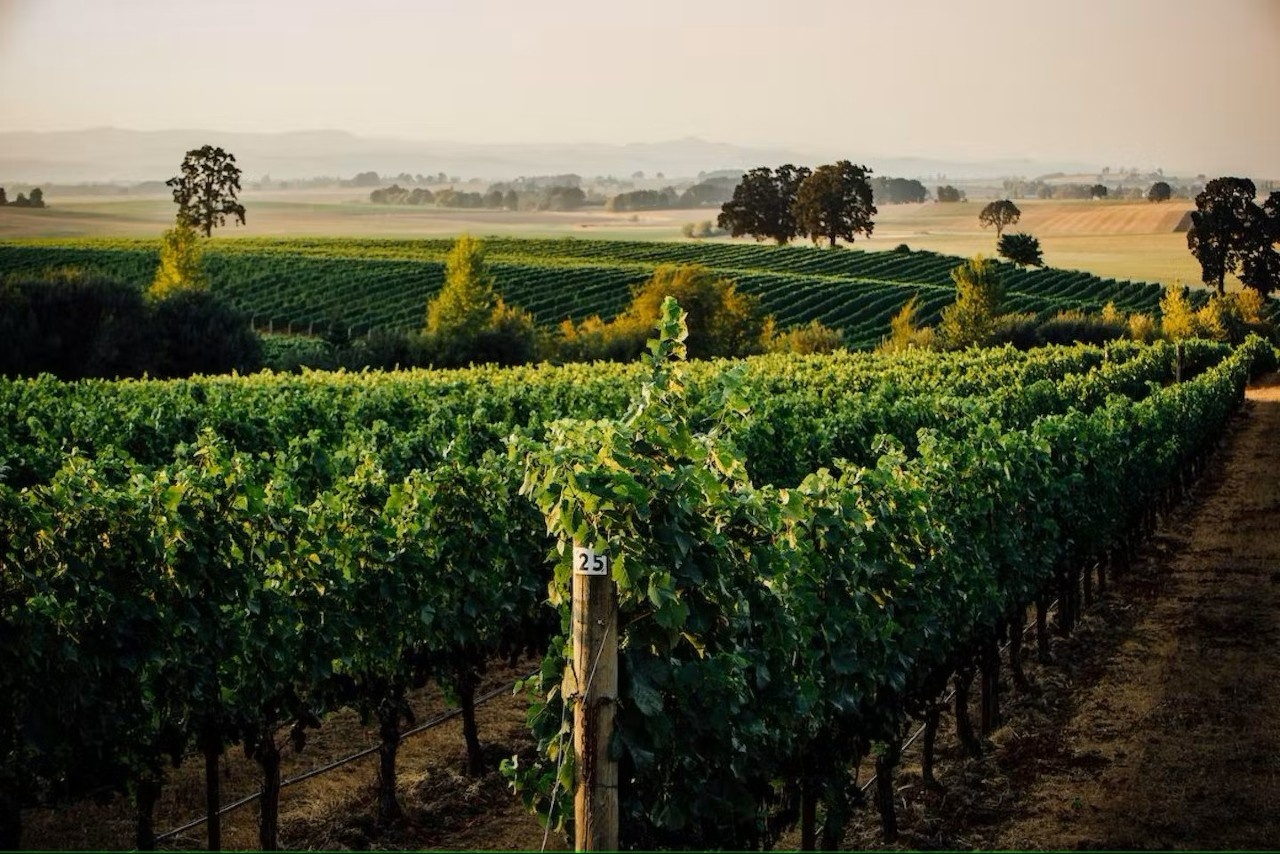
Demeter-certified winery Johan Vineyards was featured in the publication Oregon Live, which highlighted a recent event held at their winery.  An annual event, Lamb-a-Palooza invites the public to visit the vineyard during lambing season, where they can interact with the ewes and lambs, tour the winery, and take advantage of activities for kids and adults. 


This event is a great example of diversifying a farm business and welcoming the community to engage with and learn about the farm and its inhabitants.  Read more about the day here:  Johan Vineyards Event - Oregon Live

Image description

Recent Wine Camp Podcast Features 

Demeter's Evrett Lunquist


Earlier this month, Demeter’s Director of Certification Evrett Lunquist was featured on the Wine Camp podcast produced by Craig Camp of Troon Vineyard.   Craig interviewed Evrett about his own history farming Biodynamically, inspecting organic and Biodynamic farms and processors, and eventually moving into his role at Demeter.


The conversation covers a lot of ground, including the origins of Biodynamics, Steiner’s words through a modern lens, and current research that supports Biodynamic methods.   Evrett and Craig discuss the value of Demeter certification in providing a consistent Standard on which consumers can rely and verify the quality behind the products.


Listen here:  Wine Camp


Troon Vineyard is located near Grant's Pass, Oregon, with a tasting room in McMinnville, and has been certified Biodynamic since 2019.   Visit their website to learn more:  www.troonvineyard.com

Image description

Book Review: 

Biodynamic Farming Handbook


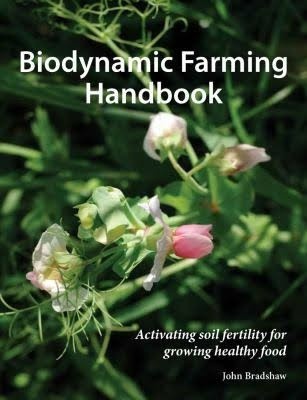
A piece by Demeter staff member Natalie Brinkley appears in the Biodynamic Association’s blog this week. Visit their website to read her review of Biodynamic Farming Handbook, by John Bradshaw. 

Book Review: Biodynamic Farming Handbook | Biodynamic Association


Demeter Standards Feature


Links to the Demeter Farm and Processing Standards can be found on our website's home page: Demeter USA Farm and Processing Standards


Demeter Packaging Standards

A Summary and Upcoming Revisions


By Demetria Hill, Certification Specialist

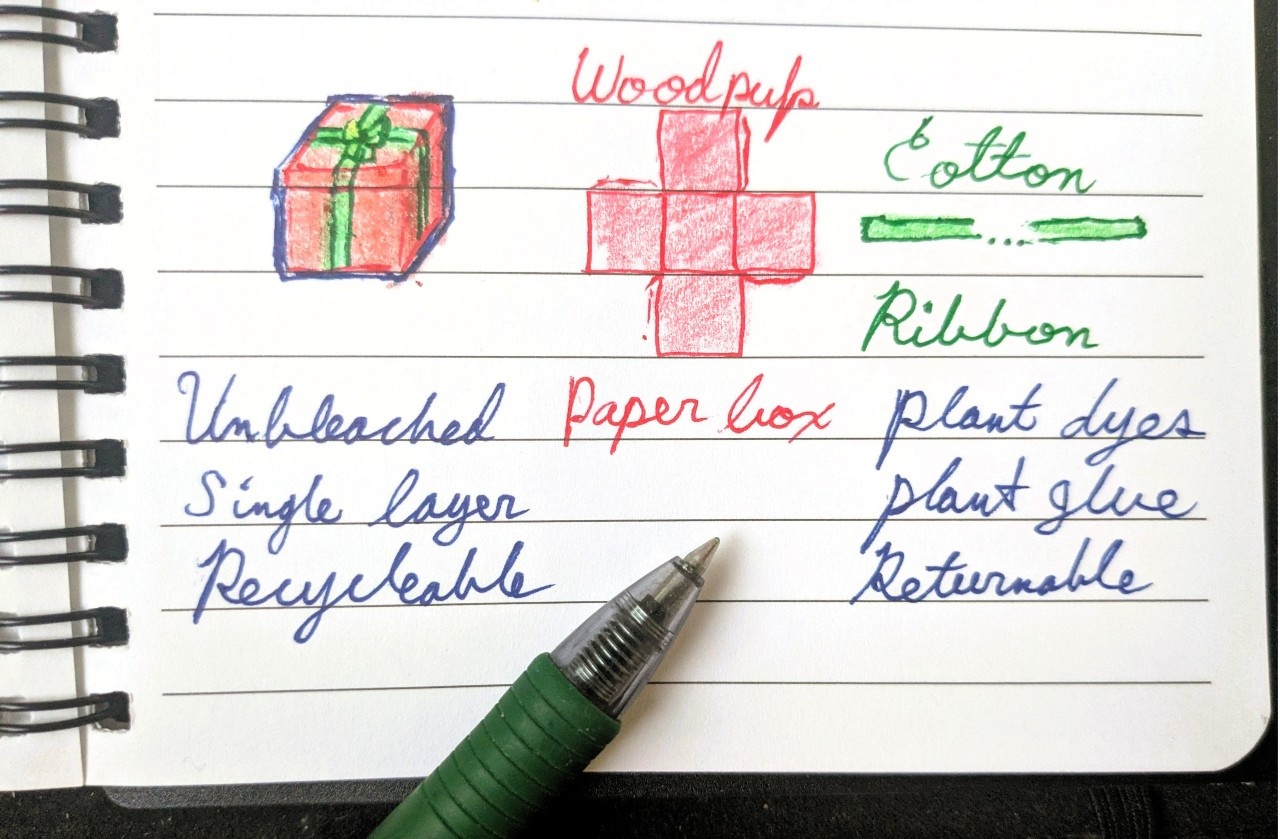
The Biodynamic Standards are a gift for those who certify and use them. The gift is that they are guiding people to make products that offer a marketing advantage. An undervalued section of the standard regulates packaging. That is changing, as more studies are completed on the impact of packaging ingredients (especially plastics) on human health and our environment. 


(See this recent article on microplastics and farming: Beyond Human Health: Microplastics Could Be a Big Problem for Crop Farmers - Ambrook Research)


The Demeter Association's packaging rules are included in the Biodynamic Processing Standard section A.14.

Reduce:

The Biodynamic Standard on packaging explains that the highest standard is to use no packaging at all. If packaging is needed to preserve the quality and safety of a product, certified processors are limited in what packaging materials are permitted. The use of fungicides, preservatives, fumigants, and insecticides is prohibited, as is any material that may contaminate products with anything banned by the Standard. Petroleum-based waxes are banned. Polyvinyl chloride (PVC) plastics are prohibited as well, and Biodynamic products cannot be stored in PVC containers.


While not banned, aluminum, especially if used with acidic and salty food, needs special care because it can leach into the finished product.


Unstable (low density) plastics also shouldn't be used for lining or packaging, unless no alternatives are available.


The Standard is strict but also recognizes the need to safely transport goods from farms to someone's table.


Reuse and recycle:

Biodynamic Farms and Processors must show that packages can be returned for reuse locally or recycled through systems that are connected nationally. That is, most recycling centers accept plastics stamped with the three arrows chasing each other (the Mobius loop.) However, this type of recycling center may not be located in every region, and the Standard interprets “recyclable” as “when at least 60% can be recycled via curb side or community recycling centers on a national level.”


Demeter does allow exemptions to the packaging standard. The Standard steers producers and consumers toward a better world with limited waste and exposures to toxins, but also recognizes our dependency on packaging and availability of materials.


The Biodynamic Standards Committee is in the process of revising our standard to bring it into alignment with Biodynamic Federation Demeter International’s requirements for packaging. Once the draft is completed, it will go to the Demeter USA Board for review and approval.


The international standard adds a table of three columns: packaging material, permitted for use with certified Biodynamic product types, and restrictions. On all products, it adds language to ban nanomaterials, mold protection agents, chlorination, genetically engineering, and the use of synthetic fungicide coatings for packing cheese. Additionally, food products can't come in contact with coatings, dyes, or inks that contain phthalates.


This is a lot of words for an average shopper trying to understand the depth of the Biodynamic Standard.  At the same time, packaging may contain ingredients that negatively affect our bodies faster than we can adapt to their presence. A customer of Biodynamic foods is not an average person. They ask more questions in order to make informed decisions about their own bodies.


We encourage our certified farmers and processors to use the Biodynamic standards to create a marketing advantage, including the stringent standards around responsbile packaging.  Biodynamic Farmers raise food like the health of the planet depends on it.  Biodynamic processors package the foods like the health of the planet depends on it.

Image description
Image description

- Staff Corner -


Nell Hanssen

Certification Specialist

Visiting Churchtown Dairy with Jennie and Jean-David.

Biodynamic Workshop Held in Central PA

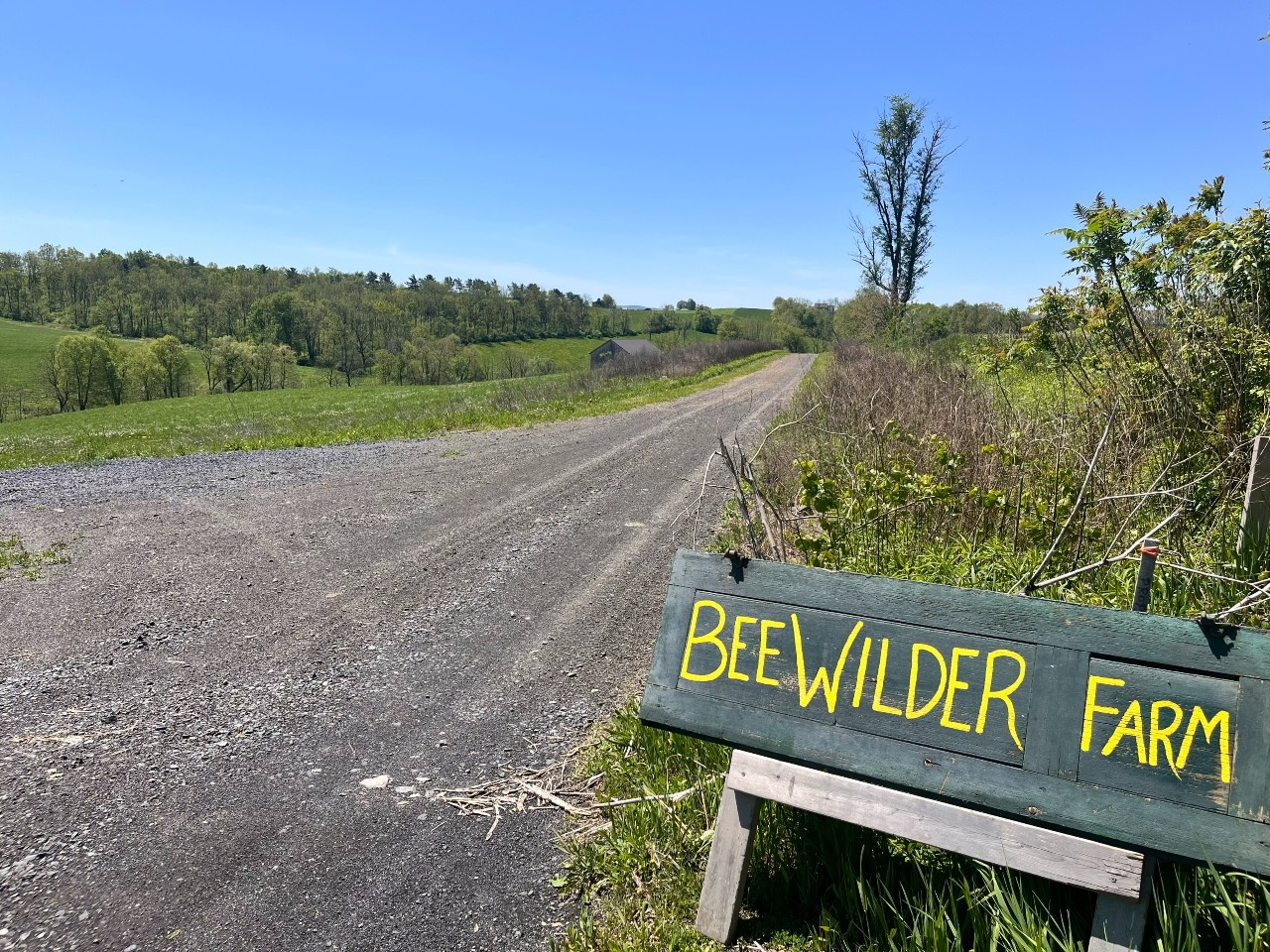
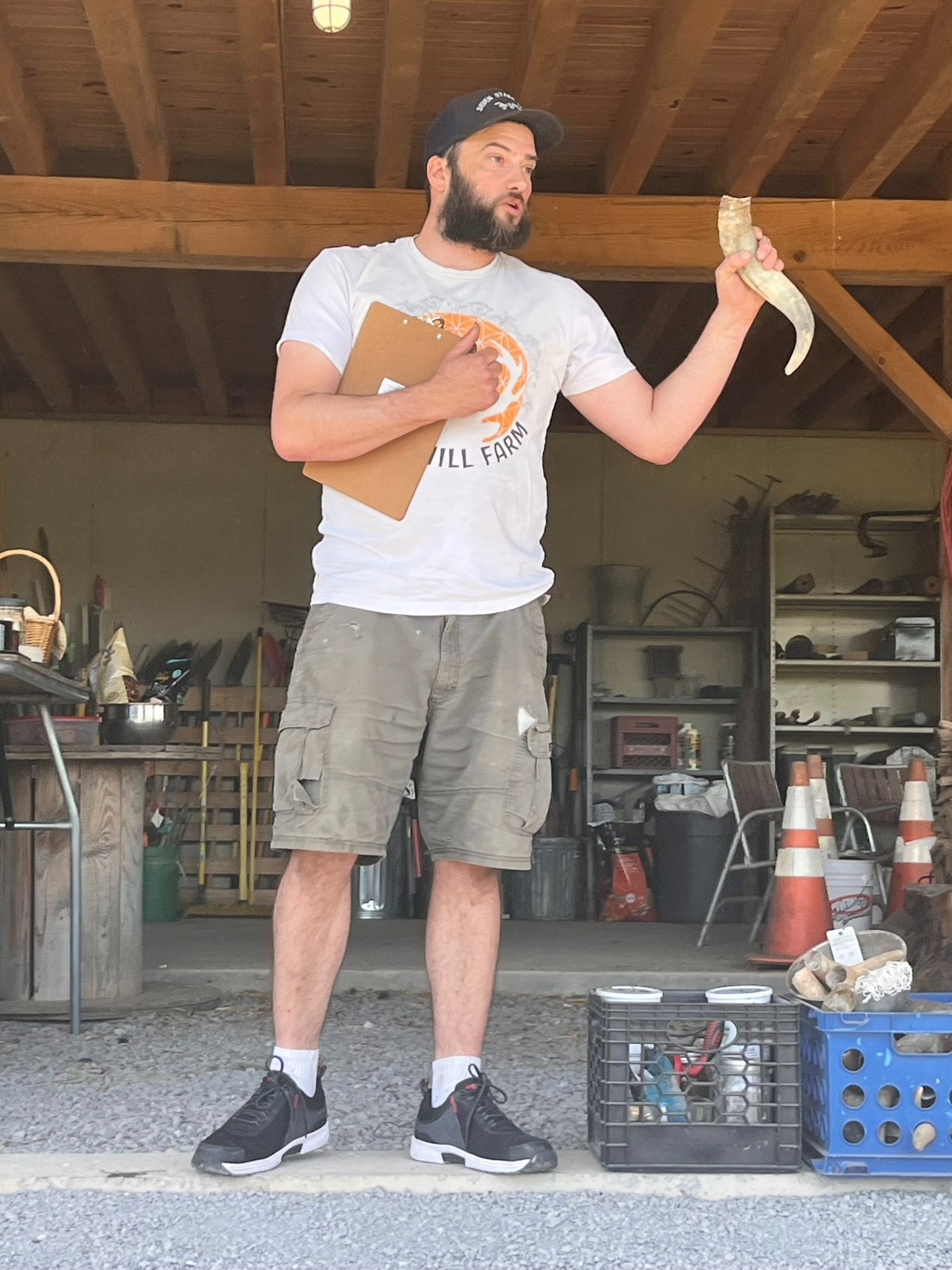
On May 10th, my friend and colleague Sarah Rhynalds and I hosted a Biodynamic workshop led by Dan Ditzler whose Biodynamic consulting business, Cow Power, is located in Southeastern Pennsylvania.  It was wonderful to have him join us for some cross-pollination and education, both experiential and mystical, on the small farm in Centre County, PA where my partner Chuck and I are working on creating a farm business that includes lots of outreach about farming, gardening, and sustainability.


Our attendees had varying degrees of familiarity with Biodynamic practices.  About half of our guests were hearing about Biodynamics for the first time.  We live in a rural agricultural community with many fervent homesteaders and gardeners, however, and about 15 friends and other locals gathered to learn more about “Working with the Living Earth,” as Dan titled his presentation.


We assembled under our bank barn on a rare sunny day, watched curiously by our small flock of sheep who seemed very interested in the proceedings.   Dan led us through a brief summary of Steiner’s Agriculture Lectures, and described each of the Preparations, how they are sourced, made, and applied.  We then took a break to stand in a circle and go through some eurythmy forms and movement.


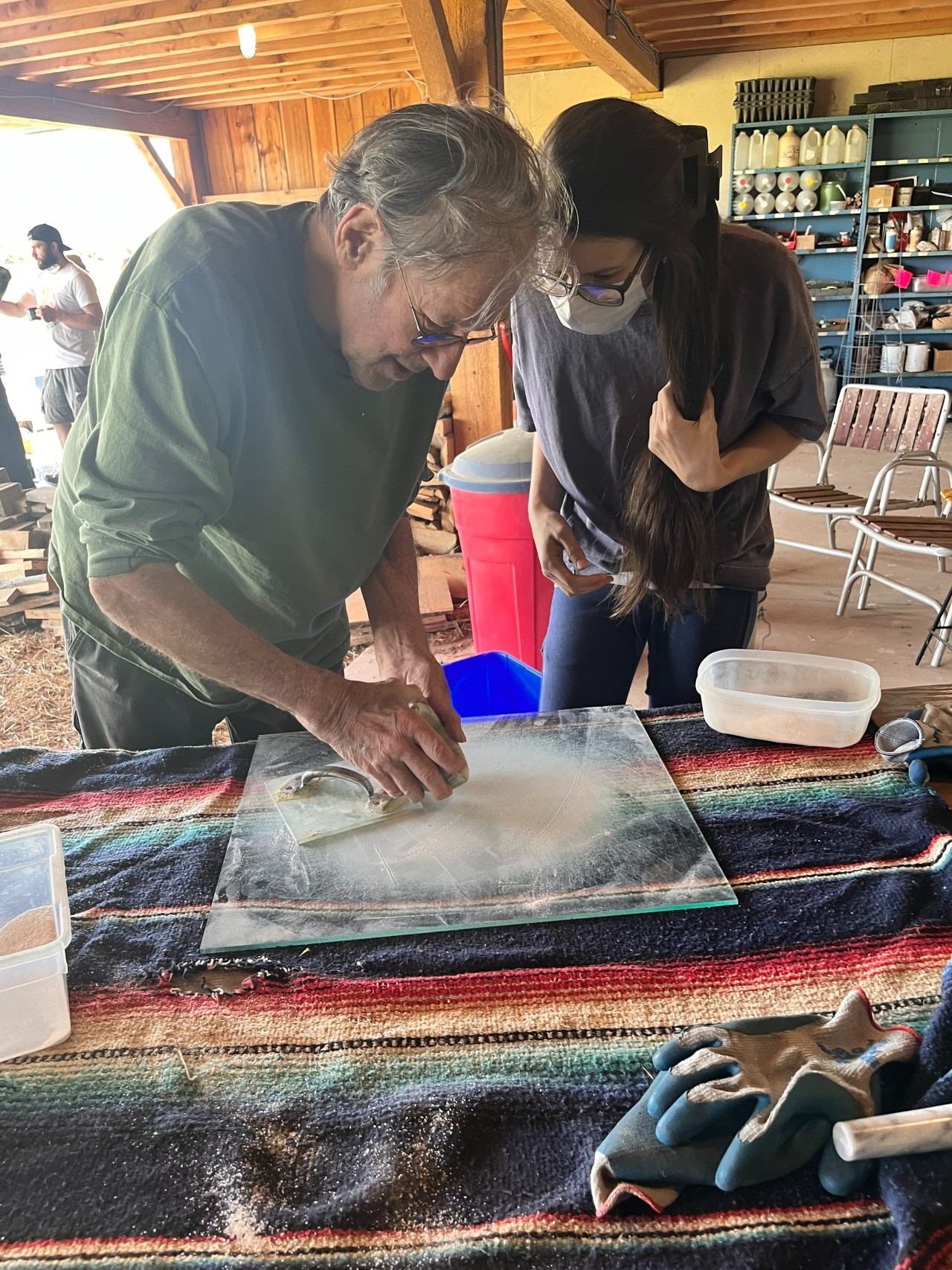
The class delved most deeply into the 501, or Silica Preparation.  With quartz crystals found locally, and some that Dan brought with him, we produced a fine silica powder by breaking up and then grinding the crystals between sheets of glass.  We placed these in cow horns, adding water, and left them to sit while we walked down the hill to the garden for the next segment of the workshop.   The next day, Chuck and I buried one of the horns in our garden, planning to dig it up in September.


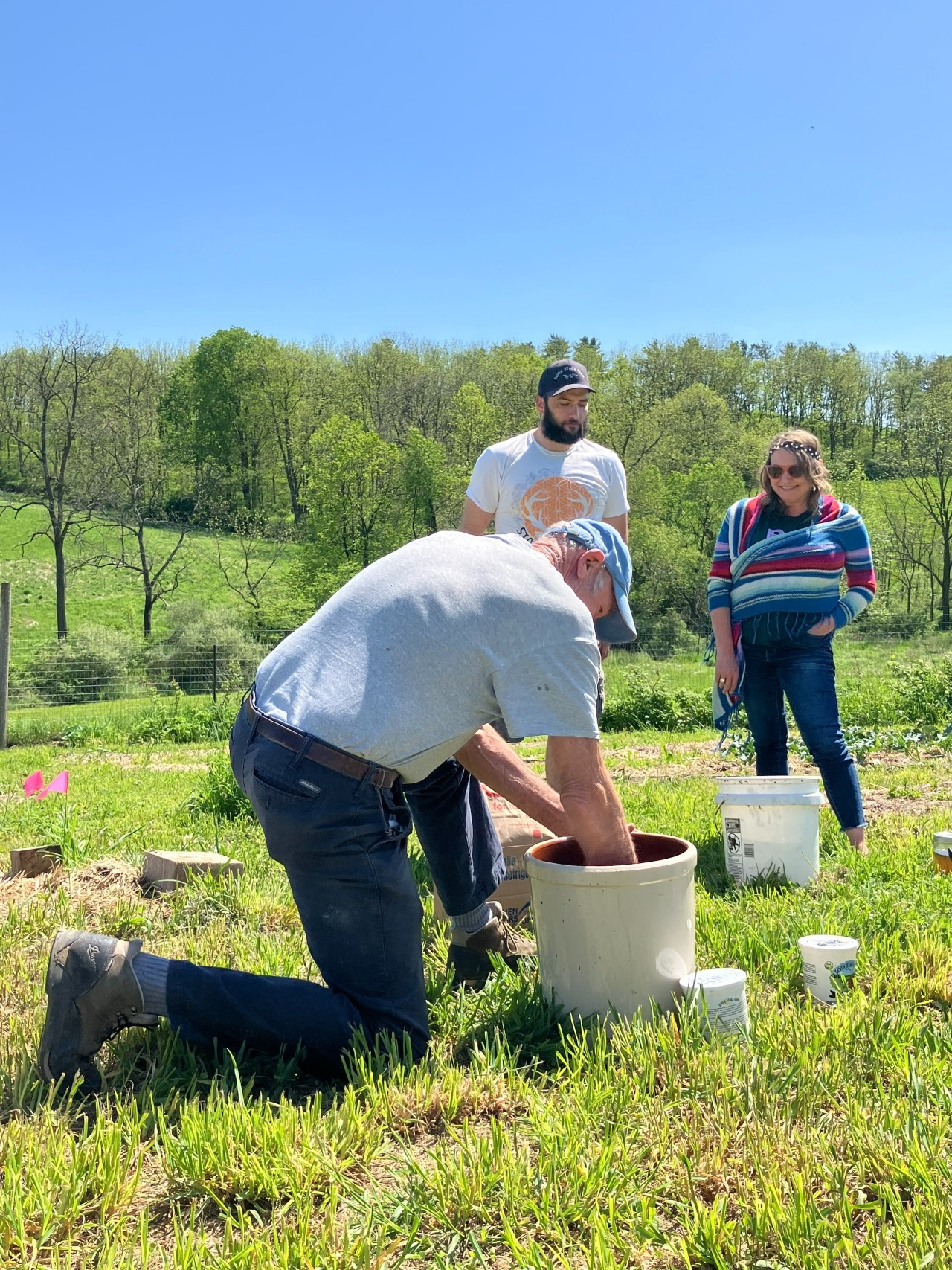
Dan generously brought each of the other preparations along with him, to give the class the flavor of activating each one through their various stirring and mixing processes.   We gathered in our farm’s garden, which is shaped like a hexagon, with beds radiating out from its center.   Attendees took turns mixing each of the preparations in jars and five gallon buckets while Dan spoke more about their qualities and guidelines for application.


We applied the 500 throughout the garden, with a generous amount going into my horse manure compost pile, which has been uncooperatively resisting decomposition since it arrived on the farm last fall.   We added the other preparations to the compost pile as well, endeavoring to enliven the pile and jumpstart some microbial activity.  I plan to turn the pile and add some green material in the next few weeks but am already seeing an increase in temperature and earthworms moving up from the bottom and getting to work on the manure and sawdust bedding.


What did it feel like to bring the science and mysticism of Biodynamics to our small community?  It was gratifying to see our attendees engage with the information, pitch in on grinding the silica, and concentrate on learning the eurythmy forms.  One could spend a lifetime learning what we touched on in just a few hours.  Can the intent of the Biodynamic movement be spread in small homeopathic-style doses, seeded throughout the land to multiply like soil microbes in a garden bed, one small community gathering at a time?   Perhaps that may be the best way to do it. 


Farming and gardening is a magic all its own, as we immerse ourselves in the earth’s cycles of life and death, the faith we sow with each seed we plant, the gratitude of the harvest, and the season of rest while we anticipate an annual, but still miraculous, rebirth each spring.   Trees add a ring each year they survive on the planet, and our own less concentric rings of knowledge, inspiration, and hope add to our individual internal architecture, making us strong enough to weather seasons of plenty or scarcity.    Biodynamics sees the farm in its rightful place in the ecosystem, and we are invited to step into our own spot within the same, to tend, grow, and harvest as one thread in the ecological web that connects each element.   And what gardener wouldn’t respond to an invitation like that?

Image description
Image description
Image description

Research Focus


Silicon and Climate Change


This month we are continuing our focus on Silicon, which is the ingredient of Preparation 501, and plays an important role in Biodynamic production.


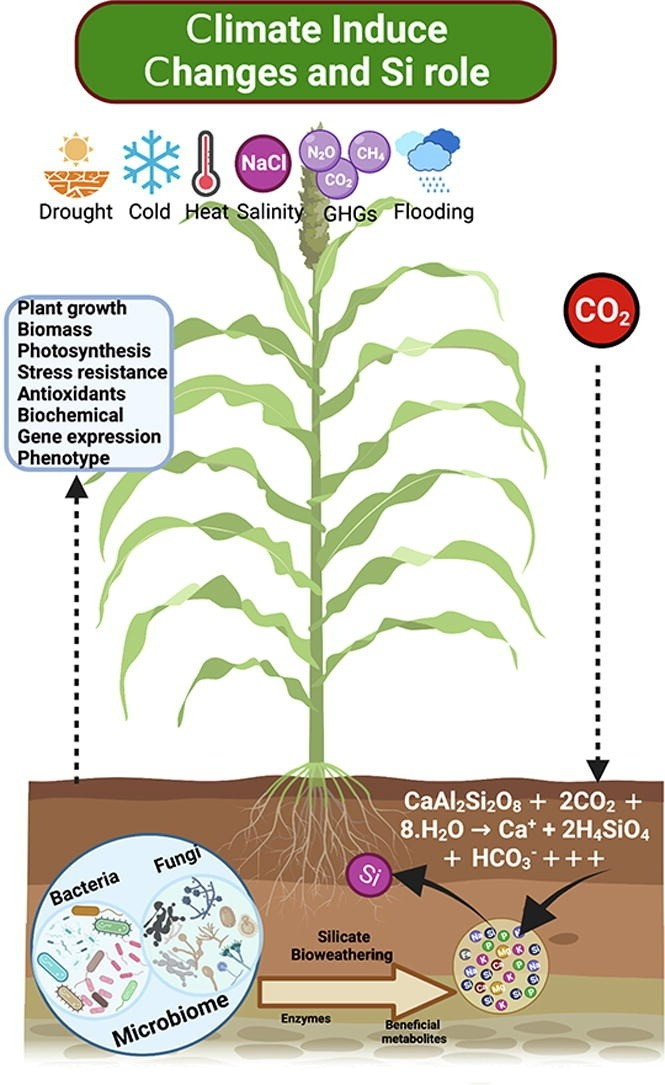
An article, Silicon: A valuable soil element for improving plant growth and CO2 sequestration, published in May in the Journal of Advanced Research covers the topic of the use of Silicon in Carbon Sequestration and discusses climate change elements that may affect plant growth, and how silica may mitigate some of these stresses.

Image description

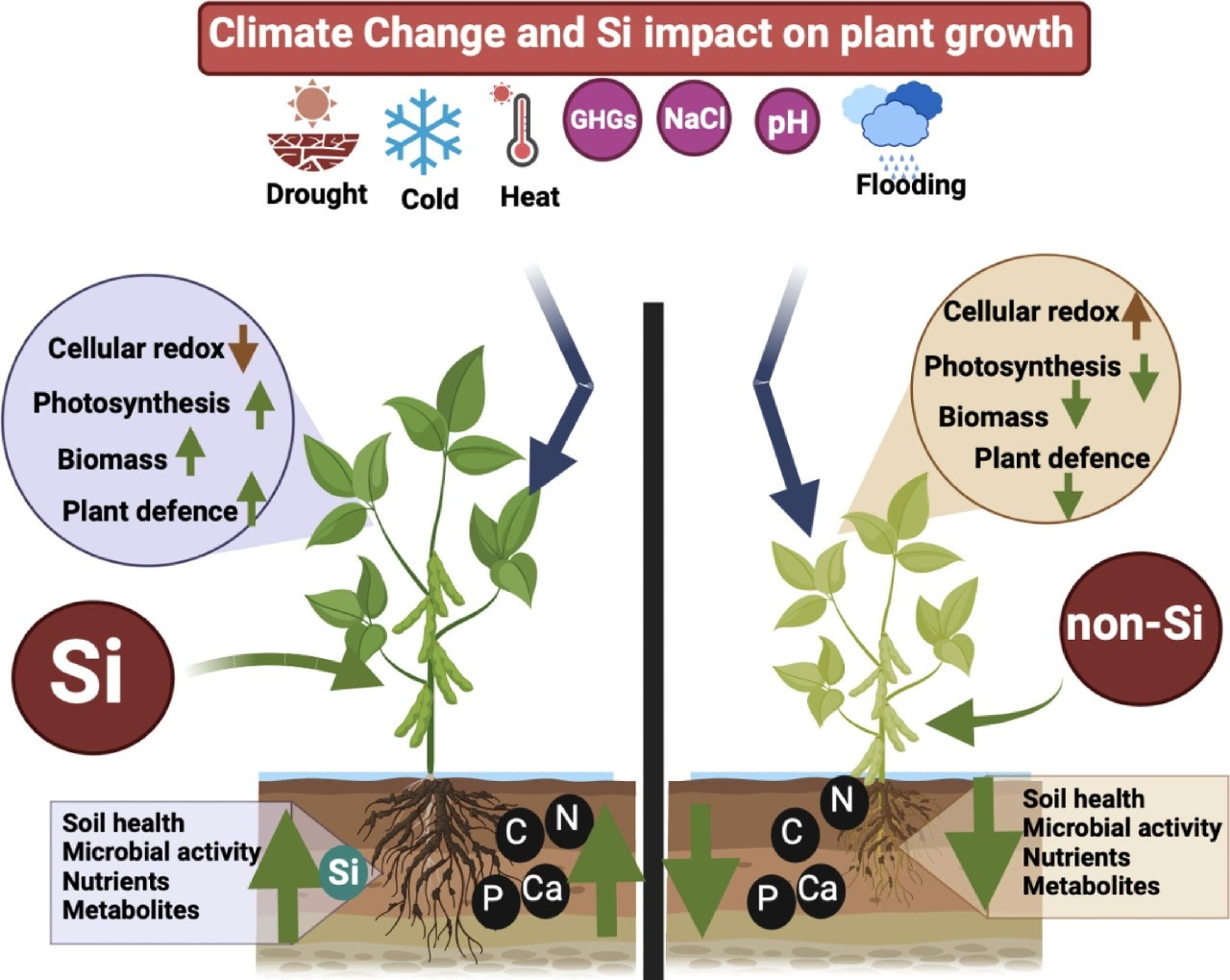
The article deals with the twin issues of silicon in the soil and its role in carbon sequestration, and silica use by crop plants in enhancing photosynthesis and increasing plant and root biomass, adding to the soil organic carbon pool.  Both mechanisms show silicon’s role in potentially removing CO2 from the atmosphere, which could mitigate the effects of climate change.


The authors write that, “during silicate weathering, dissolved soil CO2 is used in a reaction where ortho-silicic acid is dissolved and released from the crystalline structure of silicate minerals. Thus, the silicate weathering process consumes CO."


The article also touches on silica’s role in boosting the stress tolerance and growth of crop plants in response to the effects of climate change such as, “drought, cold, heat, flooding, and post-stress events [that] may affect salinity and alkalinity, thus drastically impacting plant, photosynthesis, and immunity to stress. In contrast, Si application in the root zone or foliar application can exponentially enhance plant growth by improving belowground and aboveground defense responses…”


The authors note that, “An increase in photosynthesis also helps crop plants increase biomass and leaf area. Si application increased plant biomass carbon by 35 %...”


In an additional related study focused on wheat, researchers found that in some plant species, “silicon (Si) fertilization can effectively increase crop Si uptake and the formation of phytoliths that occlude organic carbon. This phytolith-occluded carbon (PhytOC) is recognized as a promising long-term biogeochemical carbon sequestration mode in terrestrial ecosystems.”   According to Merriam-Webster, phytoliths are microscopic siliceous particles formed by a plant that are highly resistant to decomposition, indicating a mechanism for removal of carbon from the atmosphere for long-term storage in the soil.

Image description

~ CALENDAR ~


If you'd like your event announced in our monthly newsletter, please send details to: [email protected]


 Summer Preparation-Making - Oregon Biodynamic Group

June 8th

Cottage Grove, OR

For details: Oregon Prep-Making Group


▪▪▪▪▪▪▪▪▪▪▪▪▪▪▪▪▪▪▪▪▪▪▪▪▪▪▪▪▪▪▪▪▪▪▪▪


JPI Late Spring Preparation Workshop

June 13th to June 15th

Accomac, VA

For details: Spring Prep Workshop


▪▪▪▪▪▪▪▪▪▪▪▪▪▪▪▪▪▪▪▪▪▪▪▪▪▪▪▪▪▪▪▪▪▪▪▪


You can find many more events on the Biodynamic Association's 

Event Calendar:

BDA Community Calendar


▪▪▪▪▪▪▪▪▪▪▪▪▪▪▪▪▪▪▪▪▪▪▪▪▪▪▪▪▪▪▪▪▪▪▪▪


Demeter Business Meetings:

Demeter Standard Committee – meets the 2nd and 4th Tuesday of the month


Demeter Board – meets the 3rd Monday of the month

Image description

Demeter Association, Inc.

317 Church Street
Phoenixville, PA 19460


www.demeter-usa.org

Facebook: Demeter USA    Instagram: demeter_usa

If you would like to unsubscribe, please click here.
Powered by Sender.net