Research Focus
Cover Cropping for Pollinators ~ Free Resources
Regenerative farming techniques such as Biodynamic farming require creativity and an ability to see all aspects of the farm working together to create a coherent, interconnected system. In such a system, nature is the best teacher. Such thinking is at the heart of the Biodynamic standards.
In nature, we see little bare soil. If a disturbance of the soil occurs – perhaps an area is impacted by fire, or by a herd of herbivores bunched together in response to predators – the area is quickly colonized by plant species present in the seedbank. Bare soil does not remain bare for long! In agricultural systems, we may choose to plant our areas of bare soil in cover crops. The Biodynamic Farm Standard states, “Bare tillage year round is prohibited so land needs to maintain adequate green cover.”
For the past several decades, cover crops have been an important feature of farms aiming at sustainability. Cover crops serve many functions beyond replacing bare soil with a living mulch. Many other benefits may be conferred including erosion control, nitrogen fixation, increasing organic matter in the soil, nutrient recycling, weed suppression, water management, and more.
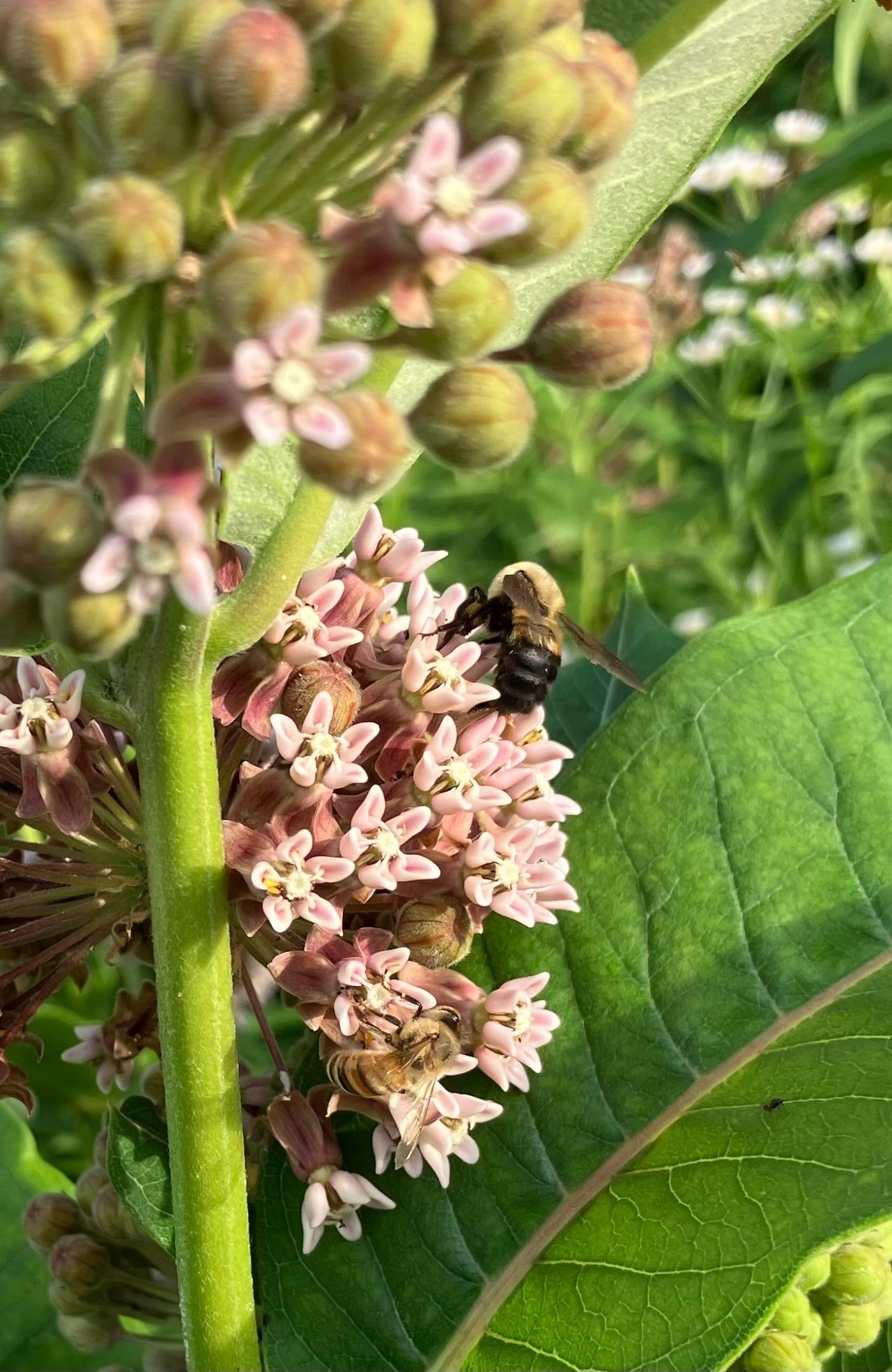
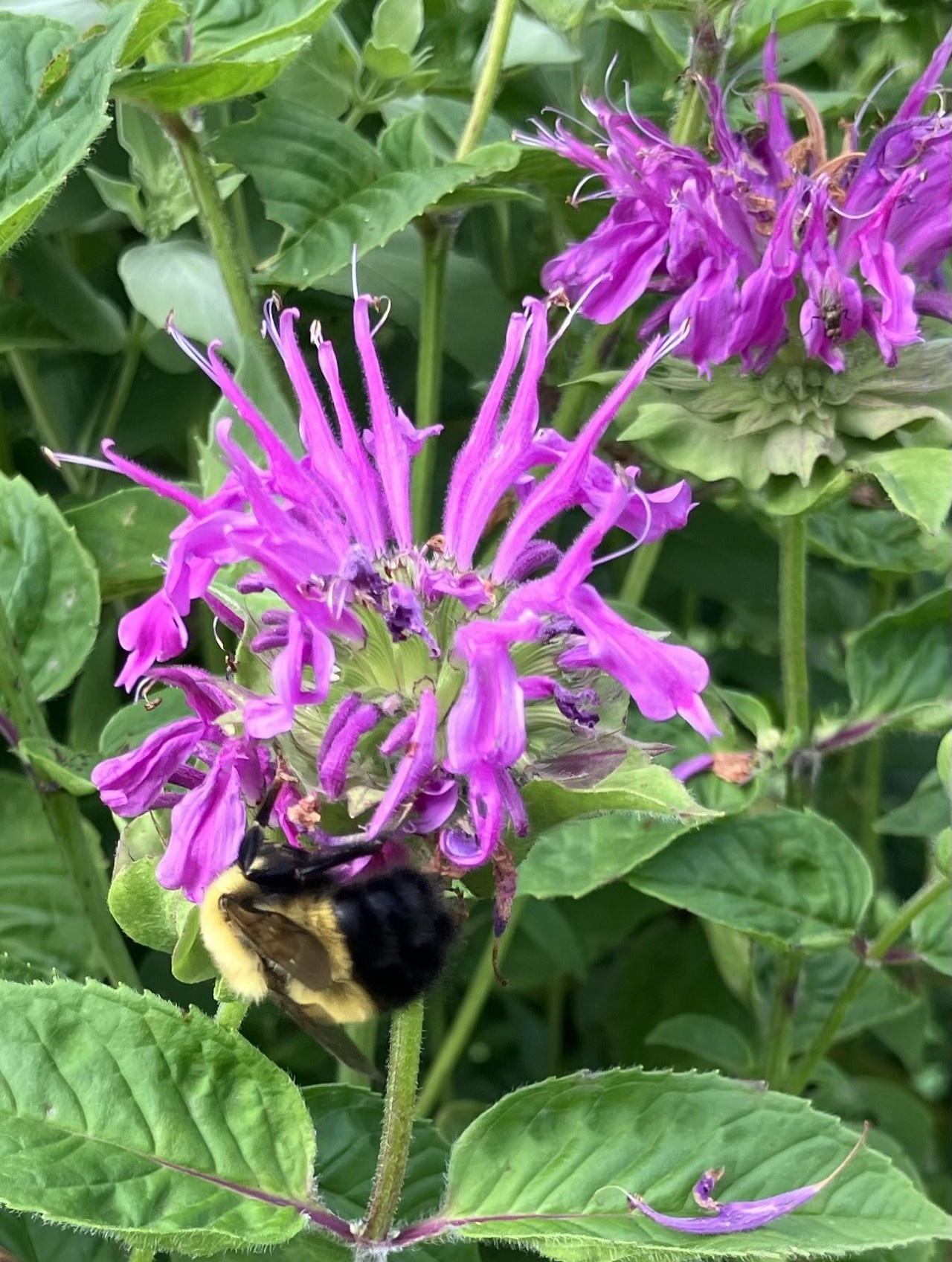
In recent years, we have seen studies on cover crop management that, in addition to the many other benefits, is also aimed at providing a food source and habitat for beneficial wildlife, particularly pollinator species.
Published Resources
Below are some collected resources containing a wealth of information about cover crops, their benefits, specific management goals, and methods for establishment.
Guide to Cover Crops (Why is it important?) - Kiss The Ground – Great overview of the concept, benefits etc.
Pollinator-Friendly Cover Cropping– Pollinator-friendly cover cropping for vegetable producers. Fallow cover cropping, partial season, intercropping, perennial covers on field roads, etc
Cover Crop Impacts on Pollinators - SARE – SARE has funded numerous research projects on farms related to cover crops and the ecosystem services they provide.
Also through SARE, you can find a 16 page publication titled Cover Cropping for Pollinators and Beneficial Insects here: Cover-Cropping-for-Pollinators-and-Beneficial-Insects.pdf. This publication includes some excellent information on intercropping, including using perennial mixes for orchards and vineyards.
Funding and Technical Assistance Available
Through the USDA's Natural Resource Conservation Service's EQUIP program, farmers can apply for funding for conservation practices such as cover cropping. Funding opportunities vary from state to state. Start here to begin exploring options for financial and techincal assistance: Conservation Incentive Contracts.pdf