͏‌ ͏‌ ͏‌ ͏‌ ͏‌ ͏‌ ͏‌ ͏‌ ͏‌ ͏‌ ͏‌ ͏‌ ͏‌ ͏‌ ͏‌ ͏‌ ͏‌ ͏‌ ͏‌ ͏‌ ͏‌ ͏‌ ͏‌ ͏‌ ͏‌ ͏‌ ͏‌ ͏‌ ͏‌ ͏‌ ͏‌ ͏‌ ͏‌ ͏‌ ͏‌ ͏‌ ͏‌ ͏‌ ͏‌ ͏‌ ͏‌ ͏‌ ͏‌ ͏‌ ͏‌ ͏‌ ͏‌ ͏‌ ͏‌ ͏‌ ͏‌ ͏‌ ͏‌ ͏‌ ͏‌ ͏‌ ͏‌ ͏‌ ͏‌ ͏‌ ͏‌ ͏‌ ͏‌ ͏‌ ͏‌ ͏‌ ͏‌ ͏‌ ͏‌ ͏‌ ͏‌ ͏‌ ͏‌ ͏‌ ͏‌ ͏‌ 
Is this email not displaying correctly? View it in your browser.
Image description
Image description

                           Demeter Newsletter -- June 2025


Greetings from Demeter!

In this issue:  
+ Certification News

+ Demeter Farms in the News: Hamel Family Wines

+ Welcome to our Newest Certified Operations

+ Standards Feature: Beekeeping Standards

+ Staff Corner: Demeter's 40 Year Anniversary

+ Research: Freshness in Storage of Biodynamic Cucumbers


Please send newsletter content suggestions or questions to:   [email protected]


Certification News


2025 farm and processor inspections are well underway and audit reports are arriving at the office.  Our certification team members have begun this year's reviews, and you will soon be hearing from us with follow up questions and requests.  Please watch your inboxes!


Not yet certified?

We can assist you in applying for Biodynamic Certification!

If you are a new farm or processor wishing to explore Biodynamic certification, please get in touch with us at the office.  We try to make our certification process for new applicants as clear as possible, and we are available to assist you in filling out your application materials at every step along the way.


We have added the option of a meeting with our staff over Zoom to discuss and fill out application materials.  Please get in touch with Sarah to get started.


Questions about certification?

Please contact Sarah: [email protected].

Calling all 

Photographers!

Image description

Demeter would love to feature your photos, with full credit, on our website, newsletter, social media, brochures, etc.  Demeter is working with a graphic design company to redesign our website and develop a cohesive exhibit booth for taking on the road to conferences and expos.  Our partner organization BFDI (Biodynamic Federation Demeter International) is also seeking high resolution photos.   If you are willing to share some nice shots of your farm, products, or facilities, we need your photos and would love to put them to good use in spreading the word about certified Biodynamic agriculture and products!  Please email high resolution images to: [email protected].


An additional special request for historical photos:

Demeter USA turns 40 years old this year.  Evrett is looking for photos related to Demeter's past.  He would welcome photos of Board meetings or Board members (past and present), staff in the field or at their desks, trade show and conference exhibit booths, and other examples of Demeter's history.  Photos in digital format can be emailed to [email protected].  Cleaning out your photo box?  Email Evrett for his mailing address.  Low resolution and high resolution photos alike are welcome.  Please include information identifying the subjects and locations.  Thank you in advance!


Notes from the Field...

We are reserving a spot in each of our newsletters to feature a farmer or other certified business owner. If you'd like to write a brief article about your experience with Biodynamic Production, Processing, or Marketing, or answer some interview questions about your operation, we'd love to share it with our readers!


Please contact Nell at [email protected] for more details.


Image description

Demeter Farms in the News


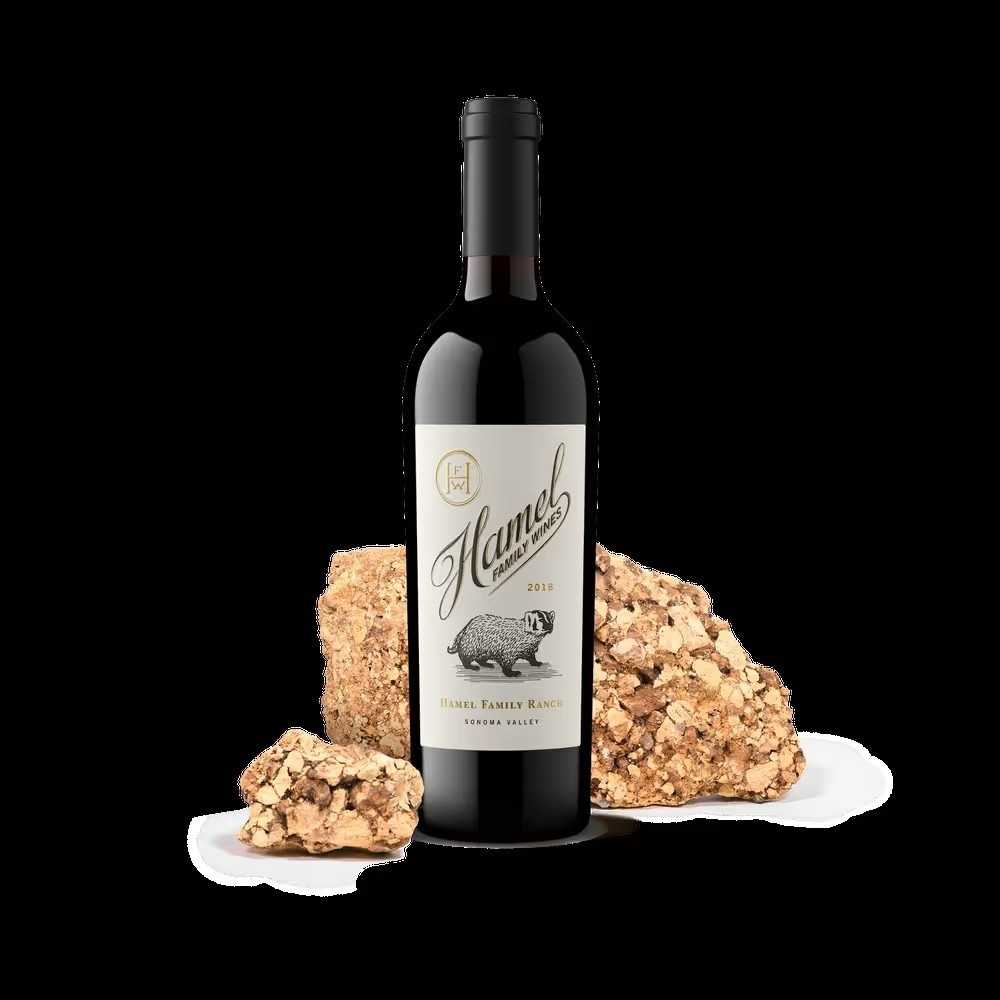
Hamel Family Wines Explores Terroir 


Hamel Family Wines pursuit of terrior was featured in a recent article in Forbes.  The article describes winemaker John Hamel's collaboration with well-known terroir specialist Pedro Parra to explore the particular qualities of their vineyard site that could lead to a unique and compelling expression in the wines. 


The two delved into the geology beneath the Hamel vineyards, discovering the remains of ancient lava flows beneath the surface in one section of the vineyard, a promising sign for the elusive terroir.

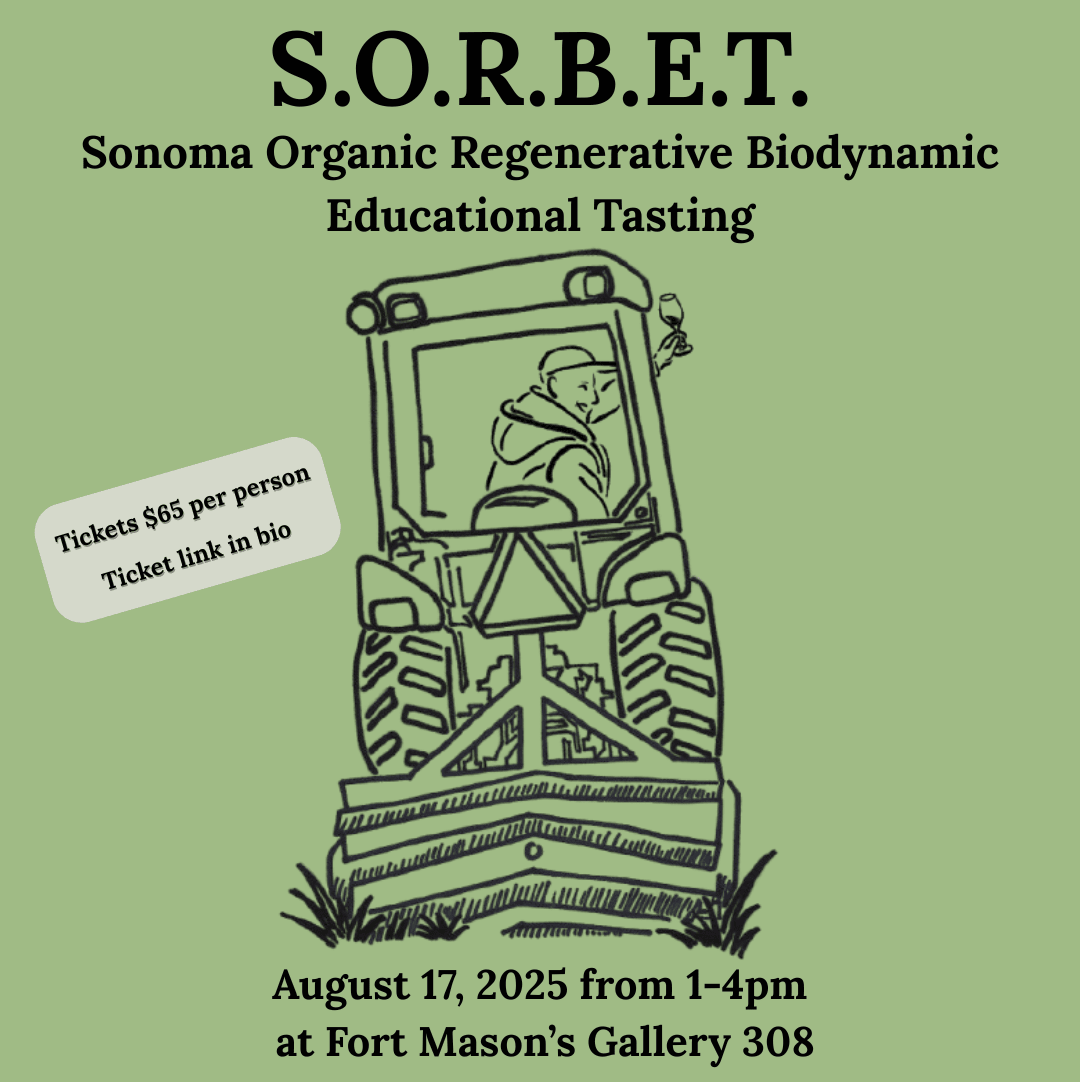
Hamel Family Wines will be participating in an upcoming wine tasting event, Sonoma Organic Regenerative Biodynamic Educational Tasting (S.O.R.B.E.T.) which will take place in August at Fort Mason's Gallery 308 in San Francisco.  The event aims to showcase and educate about the value of sustainable agricultural methods, including Biodynamic production. 


Tickets for this event can be purchased here:  S.O.R.B.E.T Tickets and Information / Event Brite

Image description

Weclome to our New Certified Operations!

Belle Coline Vineyard, LLC

Dba Anacreaon Winery

Newberg, Oregon

anacreonwinery.com

Winery

Certified in October 2024


Conn Ranch, LLC

dba Element 28

St. Helena, California

Vineyard

Certified in November 2024


Doudlah Farms, LLC

Evansville, Wisconsin

doudlahfarms.com

Dried Beans, Popcorn, Produce & More

In Conversion to Biodynamic May 2025

Stardust Cellars, LLC

North Wilkesboro, North Carolina

stardustcellars.com

Vineyard

Certified in June 2025


Wine By Joe

Dobbs Family Estate

Dundee, Oregon

winebyjoe.com

Winery

Certified April 2025


🌻🌻🌻🌻🌻🌻🌻


Demeter Standards Feature


Links to the Demeter Farm and Processing Standards can be found on our website's home page: Demeter USA Farm and Processing Standards


Beekeeping Standards


Did You Know…?


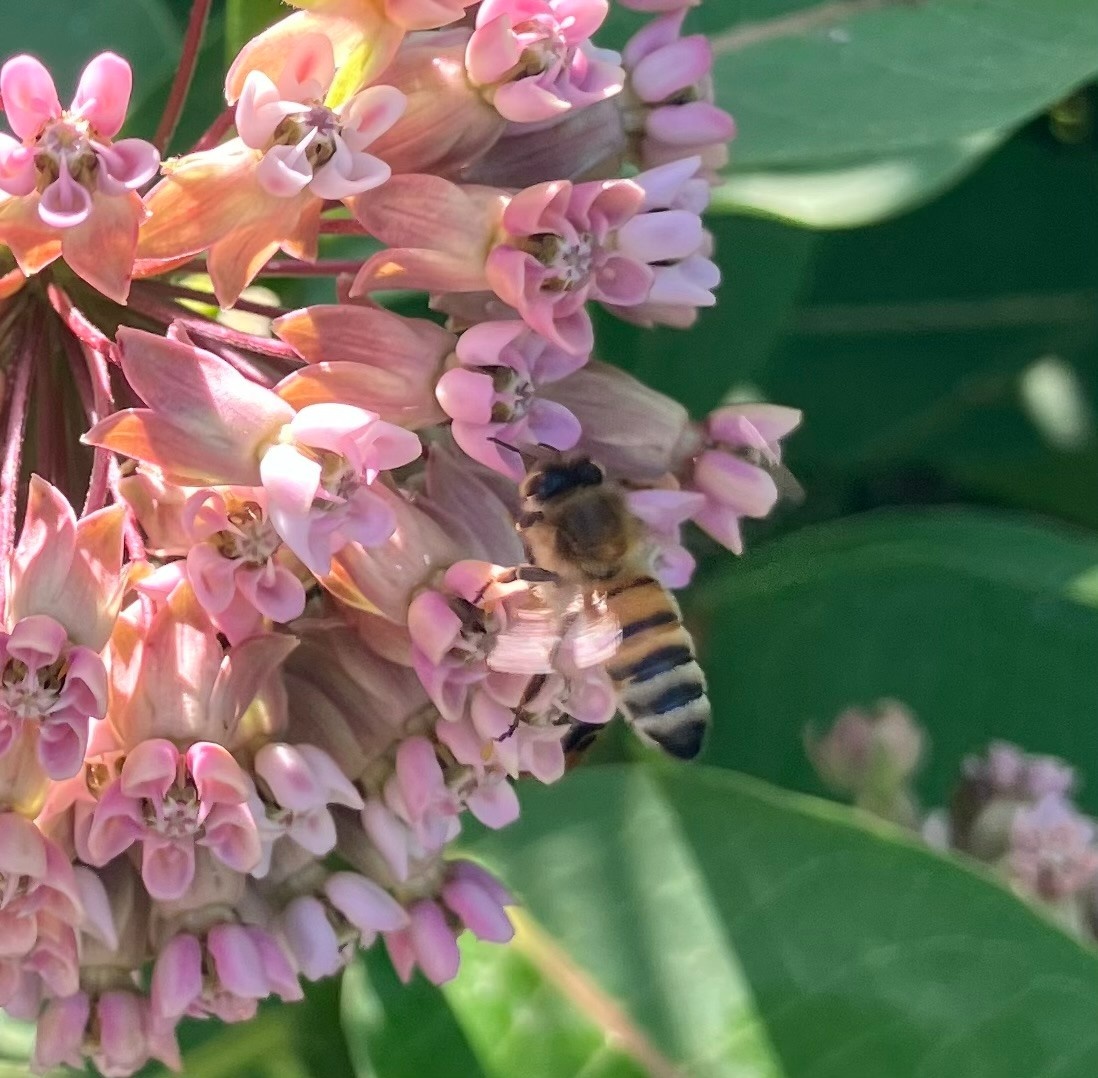
Demeter USA offers certification for honey bees and related products under the Beekeeping and Hive Product Standards from the Biodynamic Federation Demeter International (BFDI). The standard can be found on Demeter Association’s homepage: www.demeter-usa.org.


Management guidelines stress meeting the natural requirements of the colony. The standard states, “Demeter beekeepers allow the colonies to build natural honeycomb. The basis for their reproduction, growth, rejuvenation, and breeding is the process of swarming. Its own honey is the mainstay for supporting the colony through the winter.”


The Standard details requirements on a number of aspects of hive management, including where hives should be sited to ensure adequate pollen and nectar sources, health treatments and inputs, the use of wax, supplementary feeding, and harvest and storage of honey and other products.  Bees must be allowed to make their own wax and be nourished by honey and pollen except in emergencies. Stimulative feeding of the bees is not permitted. Artificial queen breeding is prohibited, and swarming is natural and permitted for increasing hive numbers.  The standard requires that the Biodynamic Preparations be used in the area immediately surrounding the apiary.


There are a wide variety of products that come from bees including honey, beeswax, propolis, and royal jelly. Pu'u O Hoku Ranch on Molokai, Hawaii and BD Bees in California are Demeter certified for beekeeping.

Image description
Image description

- Staff Corner -


Evrett Lunquist

Director of Certification

Visiting Churchtown Dairy with Jennie and Jean-David.

Demeter Association Celebrates 40 Years


Demeter Association (Demeter USA) turns 40 years old on July 23, 1985. I spent some time digging into old Demeter registrations and archives to unearth details about the organization's historical record and spoke with numerous individuals. Originally incorporated in Massachusetts, the first Board Officers were Maria Linder (President), Alice Bennet (Treasurer), and Lincoln Geiger (Clerk). Lincoln continued serving on the Board for many years often as President and his signature often appeared on certification decision letters sent from Demeter.


Additional Demeter Board members in the early years included: Walter Moora, Anne Mendenhall, Patricia Smith, Charles Griffin, Jim Fullmer, Parker Forsell, Christopher Meier, Steve Moore, Gena Nonini, Bob Steffen, Bu Nygrens, Charles Gansenberg, Katrina Frey, Eva-Marie Lind, William Steele, and Gina Durham. Katrina Frey became President of the Board around 2007 and served in that role until 2015.


The original Demeter office was in Burbank, CA for a brief time before moving to the farm of Anne Mendenhall near Aurora, NY when she became Executive Director. Jim Fullmer took on the role of Executive Director in about 2002, and the office moved to Philomath, OR and then to Corvalis. From 2017 to 2020 there were major changes to Demeter staff and Board. During this time, the physical office was closed and all staff worked remotely. Elizabeth Candelario was President (staff) of Demeter briefly and Terry Bolger from the UK was tapped for Certification Director for about 6 months in late 2018. Terry fell ill and did not move to the US as planned. In 2019, I was hired as Director of Certification. Staff now work remotely in Oregon, Kansas, Nebraska, Virginia, and Pennsylvania.


Demeter reincorporated in the State of Oregon in 2010 with the founding Board of Katrina Fry (President), Gina Durham (Secretary), Glenn McGourty (Treasurer), Morris Shriftman, Eva-Marie Lind, and Mary-Elizabeth Gifford. Attorney Paul Reidl joined the Board in 2011 bringing his trademark law expertise. Paul Dolan assumed the role of Board President in 2015 and Greg Fleishman assumed the role of Secretary. Fred Kirschenmann joined the Board from 2016 – 2018 (Fred had the first Demeter-certified farm in the USA in early 1981) . In 2019, Rudy Marchesi joined the Board and was voted President soon after. Also in this timeframe, Errol Schweizer, Victoria Byrnes, Zach Wolf, and Dr. Thimmaiah (Tim) Appachanda served on the Board. The current Board members are Beth Hoinacki (President), Zach Wolf (Vice President), Jennie Clifford (Secretary), Steffen Schneider (Treasurer), and Marjory House.


Board members are volunteers. Each member joined to bring forward something they believed in. Probably not an overstatement to say that thousands of hours have been donated to Demeter’s mission. With each change of leadership there were different visions brought to Demeter. There were successes and challenges long the way – each bringing growth or opportunities for growth.


Originally, Demeter offered organic certification as a steppingstone to Biodynamic certification. The USDA launched the National Organic Program in 2001 regulating organic certification. Around the same time, Demeter International pointed out to Demeter USA that “Demeter” is known worldwide as the Biodynamic certifier and not an organic certifier. Stellar Certification Services was born to focus on NOP organic certification. Demeter and Stellar operated as sister companies offering organic and Biodynamic certification with a single inspection.


Around 2008, Demeter launched an initiative to promote certified brands. There was considerable success in the promotion of wines as many wine drinkers were already receptive to the subtle qualities found in Biodynamic wines and Made With Biodynamic Grapes wines. Other products were promoted, and some remain popular like juices, fruit, olive oil, tea, coffee, vinegar, pasta and sauces. The vitality of Biodynamic products is present in all products, and the challenge is to get the public to experience this difference.


In June 2018, Stellar leadership announced the surrender of its accreditation with the NOP and closed its doors. The short notice and midyear timing caused many challenges for those certified. The fall out was severe with about a third (~100) of the certified operations leaving Stellar/Demeter certification over the next couple years. Presently, Demeter strives to offer a single inspection for organic and Biodynamic certification by coordinating with NOP certifiers to use the same inspector whenever possible. Demeter certification can be acquired as a standalone certification – the result is Demeter Certified Biodynamic® (not certified organic).


In 2019, the Demeter Board recognized that a certifier promoting the certified brands was a conflict of interest to be avoided and ended the brand promotion work. The focus shifted to promoting Biodynamic certification and what the certification means.  Demeter recognized the void this left for brand promotion and soon began discussions with other biodynamic organizations in the US and globally about how to best promote Biodynamic brands in the marketplace. The Biodynamic Demeter Alliance emerged out of these talks with the goal of equal focus on education, certification, and market promotion along with improving communication between Demeter and the BDA. The latter goal of improving communication was a success! For the former, each focus was to be held respectively by the Biodynamic Association, Demeter Association, and a soon to be launched economic association. This initiative hit many challenges, and an economic association was never launched. Demeter has now sponsored an economic working group with various certified brands to develop a coordinated approach for promotion of Biodynamic in the marketplace.


Over the last decades, Demeter USA maintains relationships with the international Biodynamic certification community through Demeter International, which transformed into the Biodynamic Federation Demeter International in 2020. The mission of BFDI expanded from only overseeing certification to promotion of the biodynamic movement worldwide with inclusion of worldwide biodynamic associations in its membership. The international Biodynamic certification standards are developed within this context. The BFDI member countries gather once a year to consider changes to the international Biodynamic Standards and set the priorities of international promotion. Demeter USA has participated in this process since the 1980’s.


Qualified inspectors are fundamental to Demeter’s task of verifying Biodynamic certification standards. Sometimes farmers step forward to be trained as inspectors. Other times, organic inspectors have an interest in Biodynamics and Demeter USA trains them in the additional Biodynamic requirements. Similar skills and verification processes are used for inspecting organic and Biodynamic farms and processors.


Forty years ago, the entire certification process was paper dependent. Farm and processor documents were mailed to inspectors in boxes. All work was handwritten and mailed back for review by the Demeter staff. Electronic documents were introduced in the mid-2000’s, and email became the courier. Email still serves as a communication tool, but all documents and reporting are now handled within a database with secure, remote connectivity that is updated in real time or can be used offline with automatic syncing when connectivity is restored.


Globally, the biodynamic movement started in 1924 and Demeter certification started in 1928. These were the precursors of the organic movement and organic certification. Demeter USA had its own regenerative organic certification program for many years until 2019 known as Aurora Certified Organic that was farming according to the Biodynamic Standards without use of Biodynamic preparations. More recently, the Demeter Standards were the foundation of the newly formed Regenerative Organic Certification standards that addresses the shortcomings of the national organic standards. 


Looking over the multitude of certifications available in the world, Demeter Certified Biodynamic is still the only wholistic certification that addresses the whole picture of our food and textile production. Biodynamic certification is founded on responsible, elevated organic farming practices to produce crops with high nutrition and vitality, preserving and enhancing on-farm biological diversity, livestock integration and humane treatment, maintaining or increasing farm soil carbon, maximizing on-farm fertility regeneration, gentle processing to preserve food vitality and avoidance of ultra-processed foods, social responsibility for workers, responsible packaging of products, and minimizing the carbon foot prints of certified farms and food processors.


This gold standard of farming and food processing is only possible because of the multitude of people in the US and worldwide contributing their work and volunteer hours to hold and preserve the high integrity found in Demeter Certified Biodynamic crops and products. Just as individuals have done in the last 40 years of Demeter, it is ever more important in our increasingly divisive and conflicted world that we imagine the future we want and then step forward with others to make a better today. Here’s looking toward the next 40 years with increasing numbers of thriving Biodynamic farms and a multitude of Biodynamic nutritious foods and textiles available to many people.

Image description

Research Focus


Biodynamic Cucumbers Excel in Stress Storage Tests

Biodynamic Cukes Shown to Outlast Conventional and Organic


How can we make the benefits of Biodynamic farming clear to our customers in a way that is relevant and relatable? A recent study published in the journal Applied Field Research attempted to do just that through a comparison of the longevity and degradation after harvest of cucumbers grown with a variety of methods.


Researchers used a recently developed Stress Storage Test of cucumbers grown under three methods of cultivation: conventional, organic, and Biodynamic. Twelve cucumbers from each growing method were gathered from local markets (supermarkets, health food stores, markets and wholesalers) sliced into discs, wrapped in transparent polyethylene foil, and stored at 74.3 degrees Fahrenheit for two weeks. They were then scored by independent laboratories based on three different criteria.


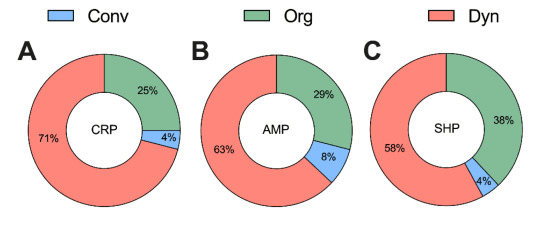
The 36 samples were evaluated based on Color Retainment Properties (CRP), Antimicrobial Properties (AMP) and Slice Healing Properties (SHP). In total, the labs produced 24 different comparisons.


The study reports, “In terms of the mean values over the 24 experiments, the values for CRP, AMP and SHP were highest for the Dyn [Biodynamic] cucumbers and lowest for the Conv [Conventional] cucumbers with Org [Organic] in between.


“For all three parameters, the Org and Dyn cucumbers showed highly significantly (p < 0.001) better stress storage properties than the Conv cucumbers. The differences between the Org and Dyn cucumbers were highly significant only for CRP (p < 0.001) and significant for SHP (p < 0.01), exhibiting a greater level for both CRP and SHP in the Dyn cucumbers.”


The figure below shows the percentage of experiments in which each cultivation method showed the best stress storage properties.

Image description

The study notes that Biodynamic practices include the use of the horn manure and silica preparations. Siting previous research, the authors note that the horn manure is known to supply plant growth promoting microorganisms to the soil, and the silica is known to provide disease resistance which can improve crop yield and quality. The preparations also led to higher levels of secondary plant compounds such as antioxidants or polyphenols in previous studies, which can improve the protective function against environmental stress and fungal infections. They state, “the significantly better storage properties CRP and SHP in the Stress Storage Test of the Dyn cucumbers compared to Org, could potentially be attributed to i) their modulating effect on the plant microbiome, and ii) their elevated content of secondary plant compounds such as antioxidants, as a consequence of the use of biodynamic preparations.”  


From the perspective of a customer choosing their produce at the grocery store or farmers’ market, the research points to a vitality and quality benefit of choosing Biodynamic and organic products over conventional.  Biodynamic farmers have long talked about their observations of better storage qualities.  Now there is research to back up the anecdotal stories.  What great results to pass along to our customers!

~ CALENDAR ~


If you'd like your event announced in our monthly newsletter, please send details to: [email protected]


Maine Biodynamic Chapter Prep Making

July 13th

Freeport, ME

For details: Maine Prep-making Chapter


▪▪▪▪▪▪▪▪▪▪▪▪▪▪▪▪▪▪▪▪▪▪▪▪▪▪▪▪▪▪▪▪▪▪▪▪


Grazing in Vineyards Field Day

July 17th

 Paicines , CA

For details: Grazing Field Day


▪▪▪▪▪▪▪▪▪▪▪▪▪▪▪▪▪▪▪▪▪▪▪▪▪▪▪▪▪▪▪▪▪▪▪▪


S.O.R.B.E.T Wine Tasting Event

August 17th

San Francisco, CA

For details: S.O.R.B.E.T. Tickets / Event Brite


▪▪▪▪▪▪▪▪▪▪▪▪▪▪▪▪▪▪▪▪▪▪▪▪▪▪▪▪▪▪▪▪▪▪▪▪


You can find many more events on the Biodynamic Association's 

Event Calendar:

BDA Community Calendar


▪▪▪▪▪▪▪▪▪▪▪▪▪▪▪▪▪▪▪▪▪▪▪▪▪▪▪▪▪▪▪▪▪▪▪▪


Demeter Business Meetings:

Demeter Standard Committee – meets the 2nd and 4th Tuesday of the month


Demeter Board – meets the 3rd Monday of the month

Image description

Demeter Association, Inc.

317 Church Street
Phoenixville, PA 19460


www.demeter-usa.org

Facebook: Demeter USA    Instagram: demeter_usa

If you would like to unsubscribe, please click here.
Powered by Sender.net