An Experiment with the 500
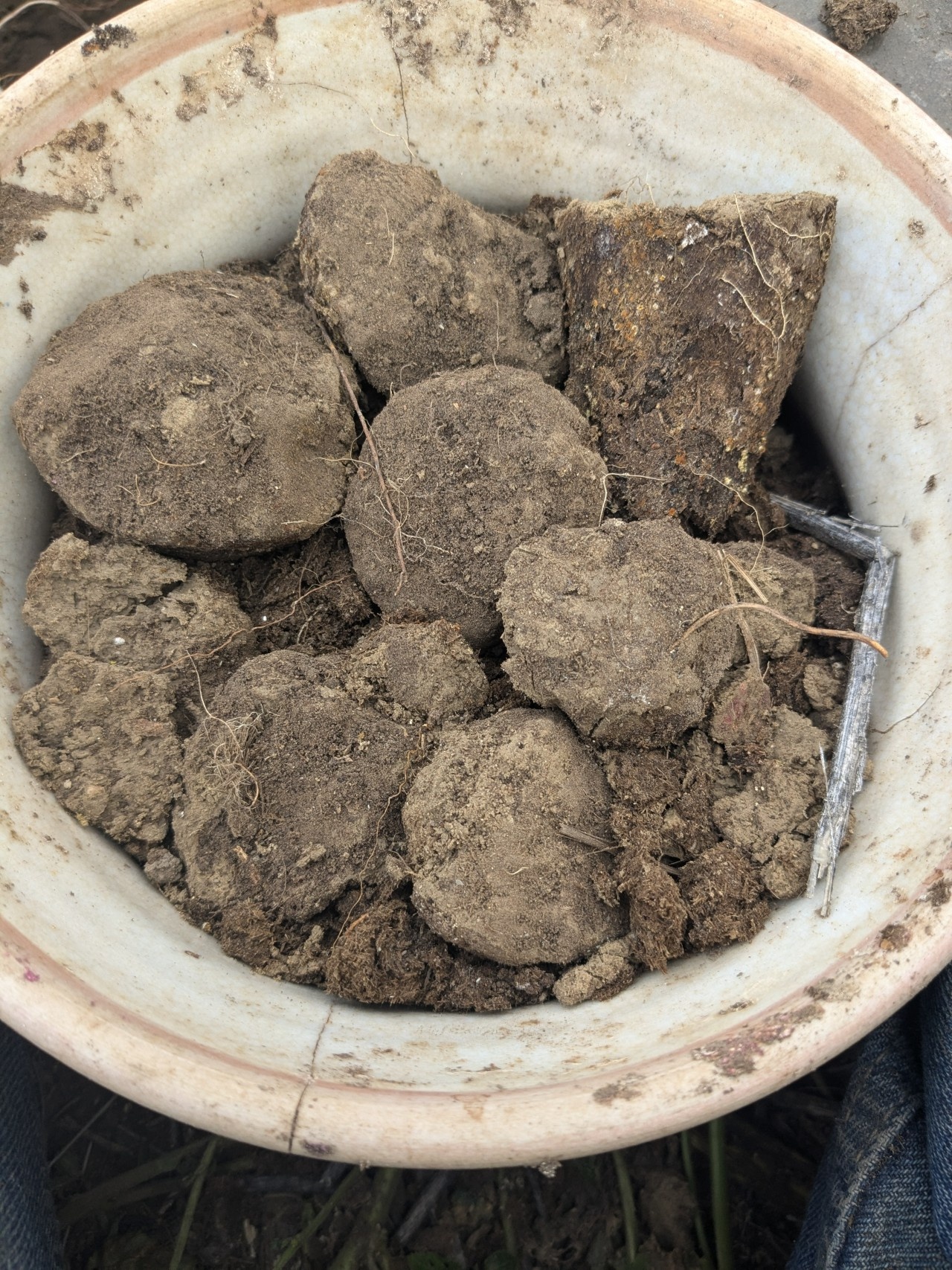
Last year around this time, my dad Bryce and I put a clay cap on each of the open ends of the horns after packing them with manure. The clay was what we call, "Badger dirt," or a layer of our soil that is yellowish or light-gray color. It's called Holdrege or a calcareous loess soil. The horns were buried with the clay cap in place.
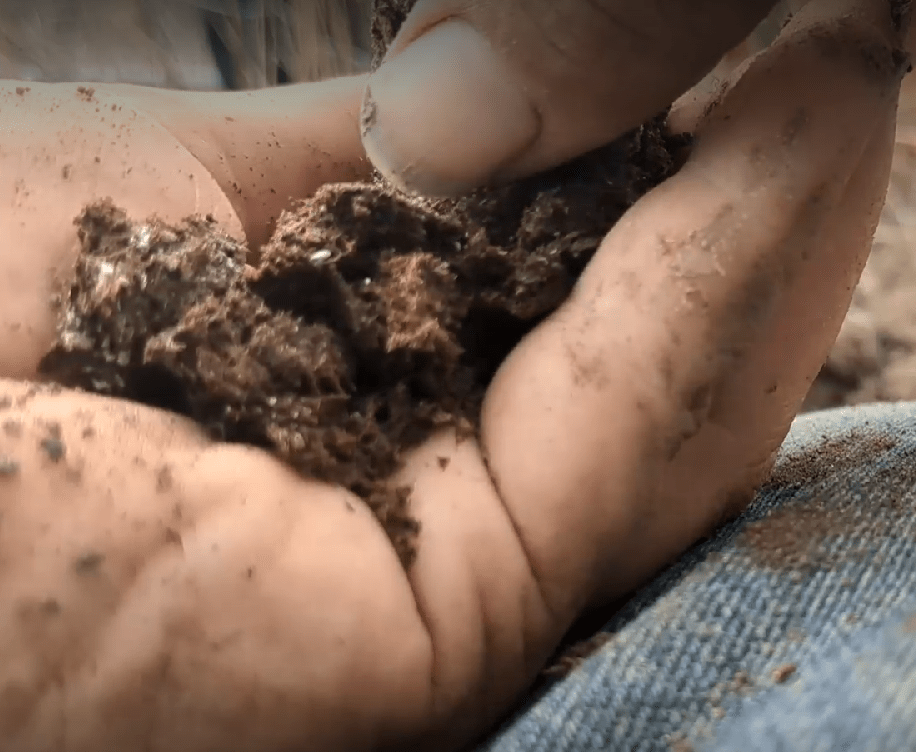
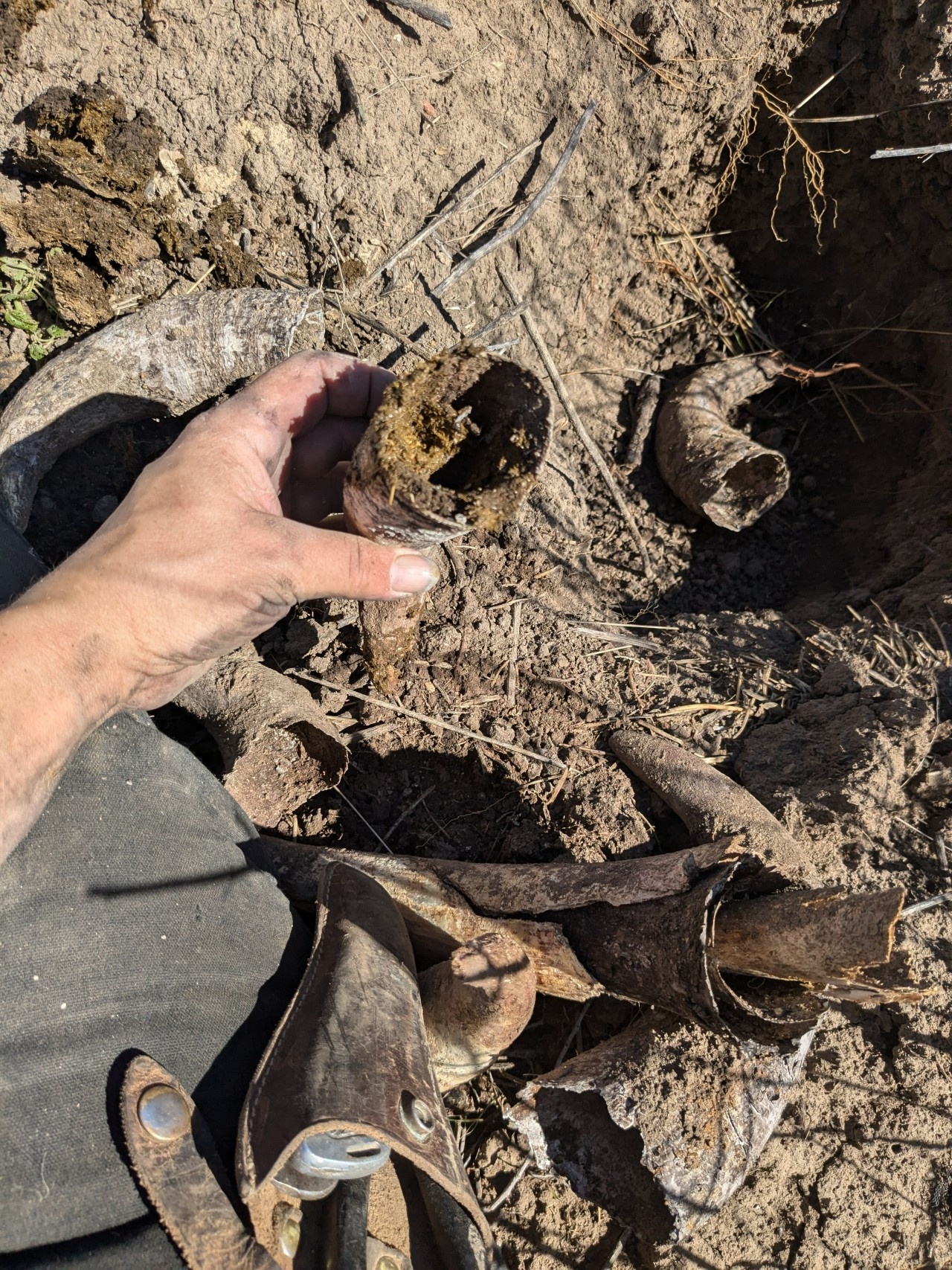
I recently uncovered the horns and removed the clay cap, which had remained in place. The compost is not as rich looking, as dark in color, and does not appear to contain as much fungi as I've seen in past years. This was an interesting experiment, but I'm going to leave the caps off in the future, as it appears that this creates a richer compost.
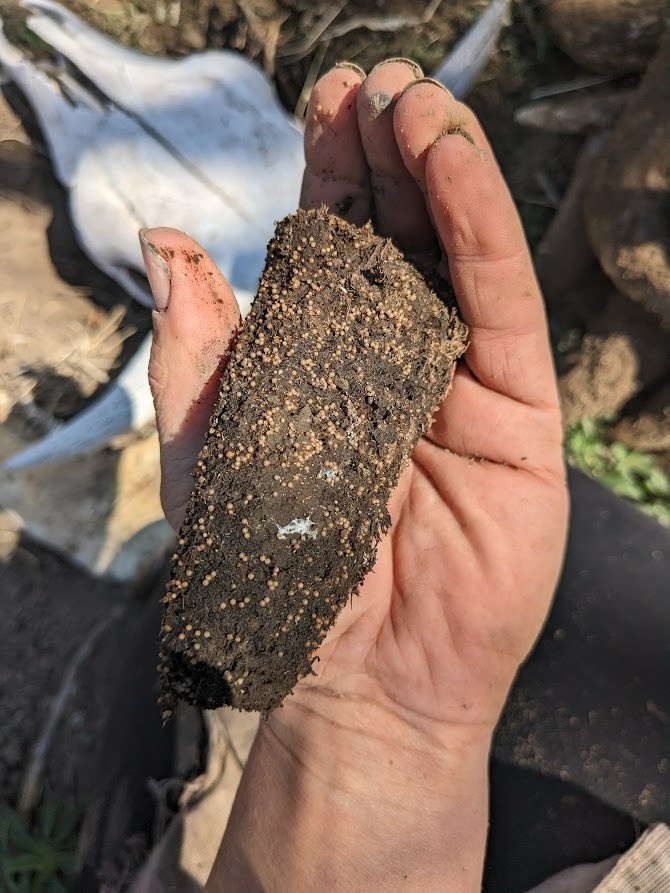
There is often some variation that can be observed in the final product. One year, there were little orange specs covering the finished 500. I asked our review team and Evrett said they may be worm eggs and the babies would eat the preparation. Perhaps because I removed the eggs from their nest, they didn't make it to that point for me to see.
I like to bury horn manure to make Biodynamic preparation 500 this time of year because the soil is still warm, but the air is cooling down. The soil temperature will stay above freezing for another month. The freeze line in the soil doesn't usually get below a foot, perhaps because of our soil type and that we don't get more than 15 inches of moisture in a year usually. I bury the horns about 1.5 feet down, so maybe it's a nice home for microorganisms to feel cozy.
I started making the preparation in 2012, using Bison and beef cattle horns. With the horns, you can tell it's a cow if it has a jagged-texture ring around the base: these rings should happen when a cow gives birth. I've noticed the inside texture of Bison bull horns is smooth. I wonder if this makes it harder for microorganisms to make colonies? What's harder to ID is the gender of the animal that produced the manure. I believe I can tell if their diet is full of green plants versus dry by the height of the manure patty stack. More stacking means more dry matter, right? Some time, I'd like to see the result of the different horns, manures, and caps or not, under a microscope.
Every year may be different, even if we do the same practice, but it is interesting to also add some variables. For the most recent batch, we were interested to see how the presence of the clay caps would affect the end product. It's a practice that some areas of the world use. Perhaps I'll give caps another chance another year, some horns with caps, some not, to keep learning. For this Equinox, I buried all horns without caps.