Biodynamic Conferences at Home and Abroad
By Evrett Lunquist, Director of Certification
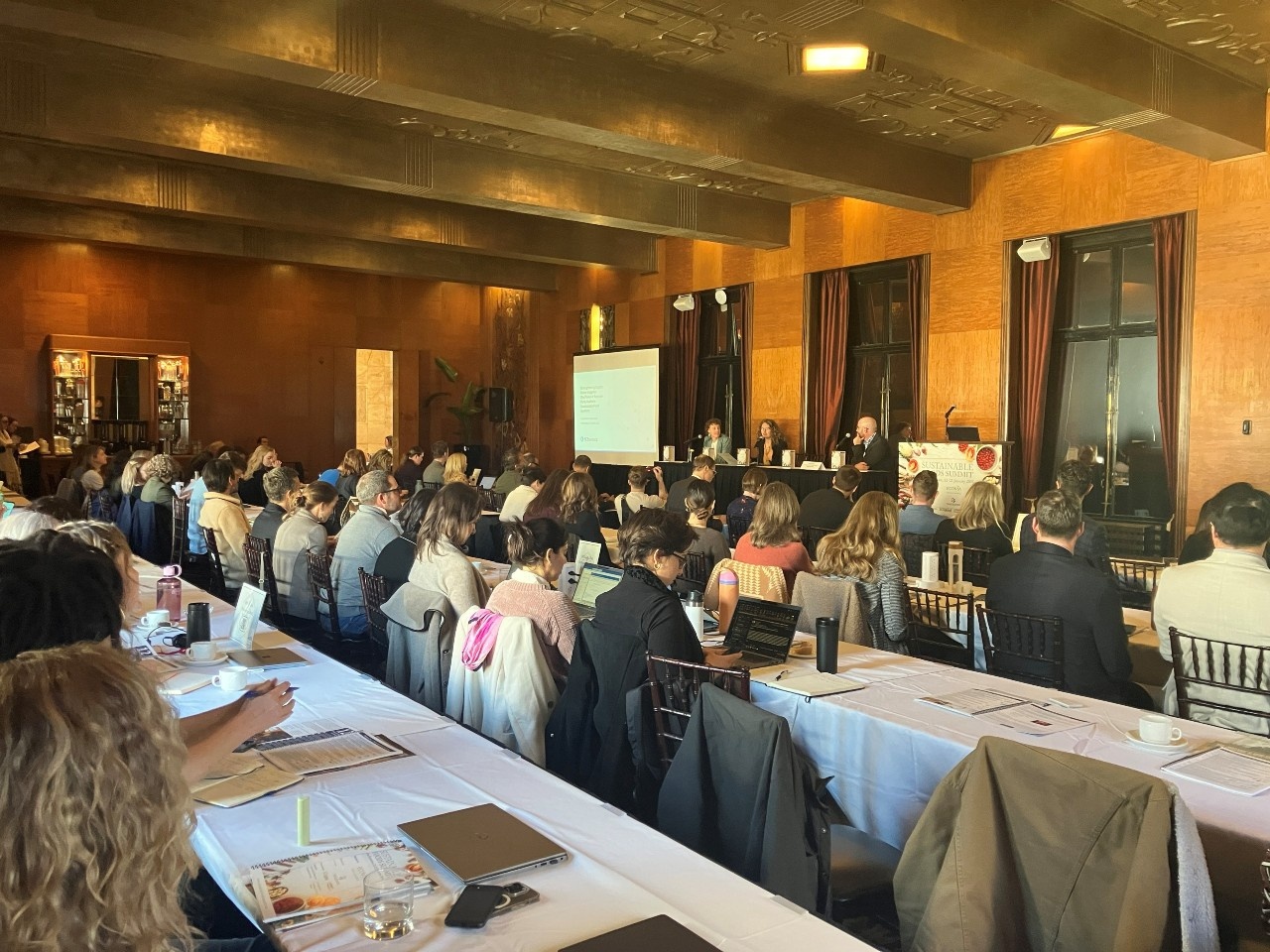
In late January, I traveled to San Francisco to the Sustainable Foods Summit where presenters shared their perspectives on sustainable food production and processing. Many organizations were there including Driscoll’s Berry, Taylor Farms, Lundberg Family Farms, Blue Diamond Almond Growers, Califia, Once Upon a Farm, Regenified, SPINS, Non-GMO Project, Mad Markets, Fairtrade America, and many other organizations and certifiers, some of which are mentioned below.
One notable presentation was by Mattias Wackernagel, co-founder of Global Footprint Network, presenting models of global ecological resource use. His work has established that we are using the resources of the Earth faster than they are replenishing. On a calendar basis for example, in 2024 we used up the Earth’s annual allotment of ecological resources in August. Attendees were prompted to consider what can be done to limit our and our organizations' contributions to this problem. Check out his work at Global Footprint Network.
One panel discussion on the “Future Direction of Organic Labels” included representatives from Real Organic Project (Lindley Dixon), Regenerative Organic Certified (ROC, Paul Alvarez), Rodale Institute (Annie Brown), Organic Trade Association (Tom Chapman) and Soil & Climate Initiative (Jeffrey Bos). During the panel discussion, Jeffrey Bos called for more collaboration among the regenerative certifiers. His point was that there are differences between each but there are common goals and shared benchmarks. An audience member appreciated the civility this year compared to the tension among the various certifiers seen two years prior.
I echoed the call for collaboration during that Q&A and asked for Demeter to be included. There is more work to do than any one regenerative certifier can do. All could be successful beyond our dreams in spreading the word, and there would still be more work to do. Each of the certifiers has a different approach that in turn speaks to different people. Some require organic certification or meeting organic requirements, others require reduced reliance on chemical inputs. Demeter requires the use of the Biodynamic Preparations, has the ideal of a self-supporting farm ecosystem, has social responsibility criteria, requires integration of livestock whenever possible and their humane treatment, and requires maintaining or increasing soil carbon. Meeting Demeter’s requirements represents a huge accomplishment for any farmer and goes beyond the existing regenerative certifications.
From the perspective of healing the Earth, elimination of chemical toxins is a win, but so is significantly reducing toxin use. The greatest reduction of toxin use will come from a chemical-intensive farm changing their practices. What if a farmer increases the carbon in their soil while reducing their reliance on off-farm chemical inputs? Sounds like a win for the farmer and the Earth. From the perspective of the farmer, elimination may be too big a leap, but reduction is doable. Society should applaud the farmers making incremental changes that are moving in the direction of healing the Earth. All farmers will not be able to reach Demeter certification out of the gate, but they can be recognized by the other certifications available while on their journey of improvement and pursuit of good farming.
During the same Q&A, I also shared some history about Demeter. One of the panelists meant well and gave a nod to Demeter being in the room as being the “original organic certification add-on.” I pointed out that the first Demeter certification occurred in Europe in 1928 and that in the 1930’s Ehrenfried Pfeiffer brought biodynamics to the USA (predating the first organic certification in the USA by 50+ years). It would not be a stretch to say that Biodynamic was the original organic. Pfeiffer and J.I. Rodale were contemporaries and exchanged ideas and soon emerged the Rodale Institute in 1947 and organic agriculture as popularized by Rodale. Hats off to Rodale for launching the most widely recognized nature-inspired form of agriculture in the USA! Demeter USA was founded in 1985, and Demeter’s former Director, Jim Fullmer, was at the table in 2017 with Demeter’s Standard when ROC developed their regenerative standards. Fair to say that Biodynamic certification is the original regenerative standard.
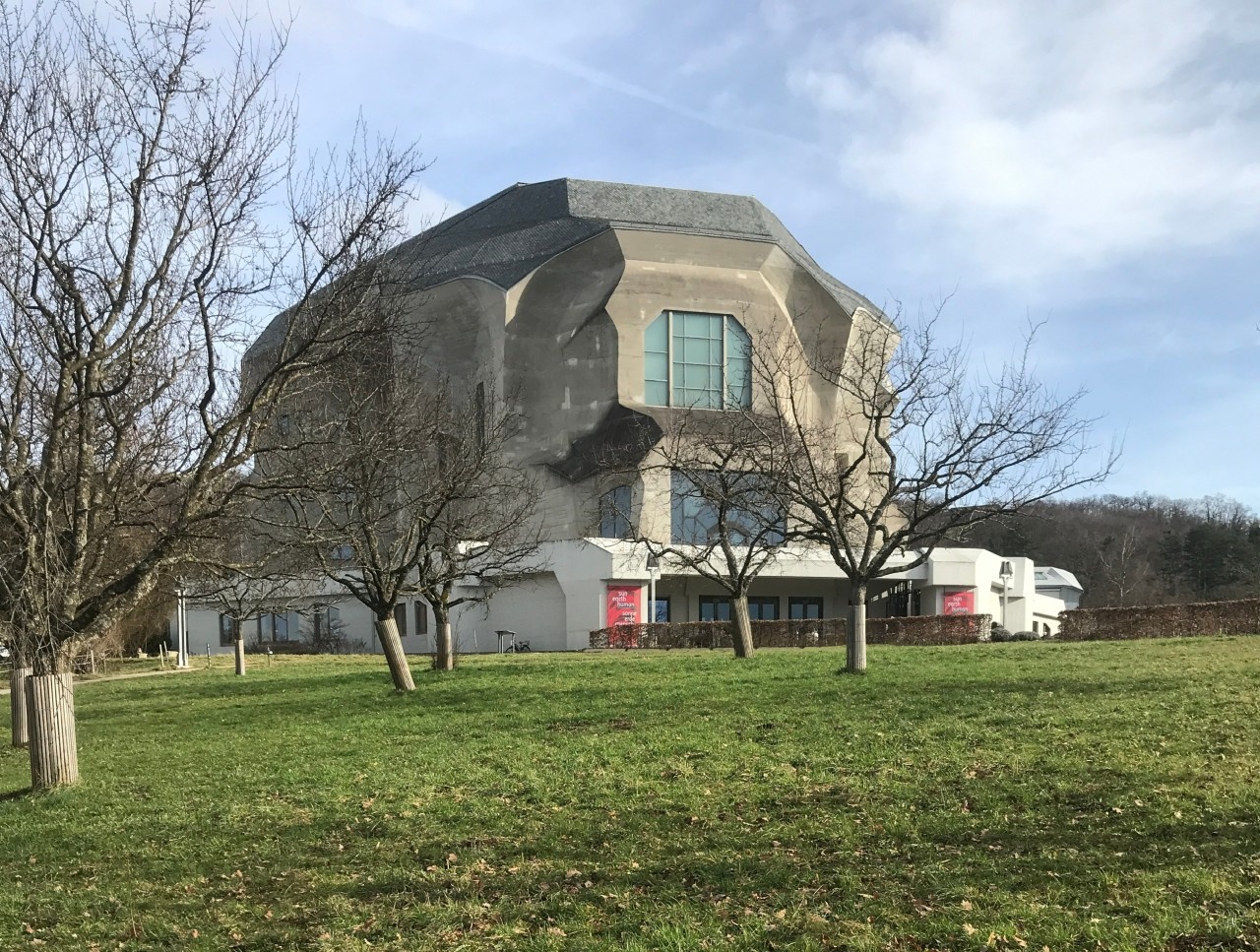
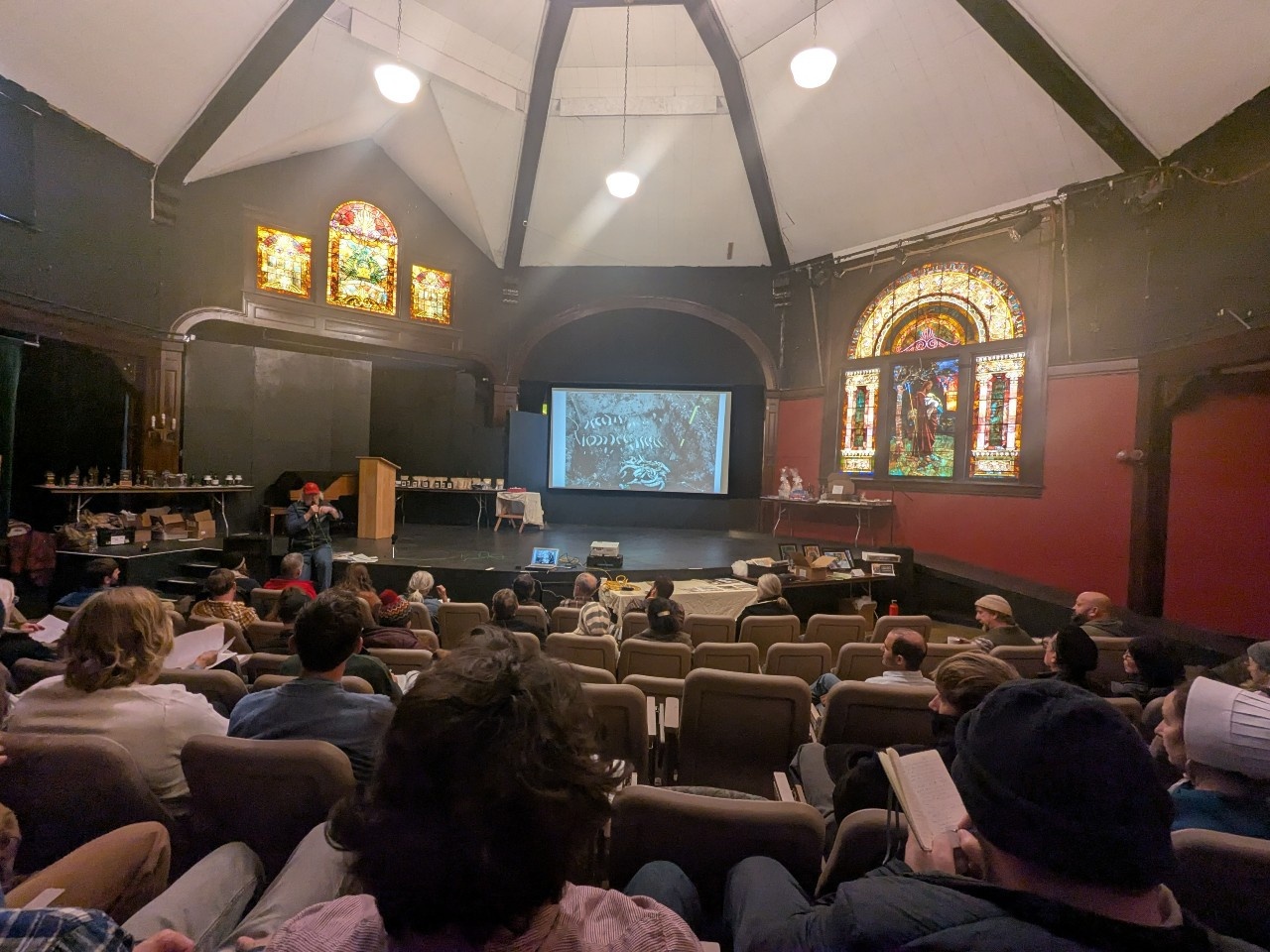
Shortly after returning home from California, I left for Wisconsin to the Fellowship of Preparation Makers Gathering with Sarah and Demetria (see Demetria's article about the Gathering below). From there I went to Dornach, Switzerland to the international Biodynamic Agriculture Conference at the Goetheanum. The conference featured three overlapping themes: The Earth as a Living Being, The Seven Life and Learning Processes, and The Future of Biodynamic Agriculture. This conference built upon last year's, which celebrated 100 years of Biodynamic Agriculture.
My first day there was filled with a Biodynamic Trainer and Advisor Workshop. We explored how people learn and how people teach about Biodynamic agriculture. Here I connected with Dr. Jürgen Fritz and learned about his in-depth research into why Biodynamic works (Dr. Jürgen Fritz, Research associate, Coordination biodynamic agriculture). The next day started with a social gathering of the Biodynamic Federation-Demeter International member countries that were attending the conference. I attended a workshop titled “Ecosystem Services and the Economy of Love: Scaling biodynamic agriculture” that presented how SEKEM encourages adoption of Biodynamic farming in Egypt. While the culture and economy are different than the US, there was much to learn about the community networking and farmer support built into their approach, along with how ecosystem services are measured.
The other workshop I attended was titled “The harmony of the solar system organism” where we explored our changing experiences of the solar system over many thousand years, coupled with drawing and painting exercises related to the planets and the theme of the conference. Humanity used to believe that the Earth was the center of the universe. Humanity then established, after much fighting, drama, and loss of life, that the Sun was the center of the Universe, only to then develop the concept that we are but one of many systems in one of many galaxies in an ever-expanding universe. We also explored the idea that in standing on Earth and looking up, there is value to the perspective that each person is at the center of their own universe that is moving around each of us – that is our personal experience of the universe.
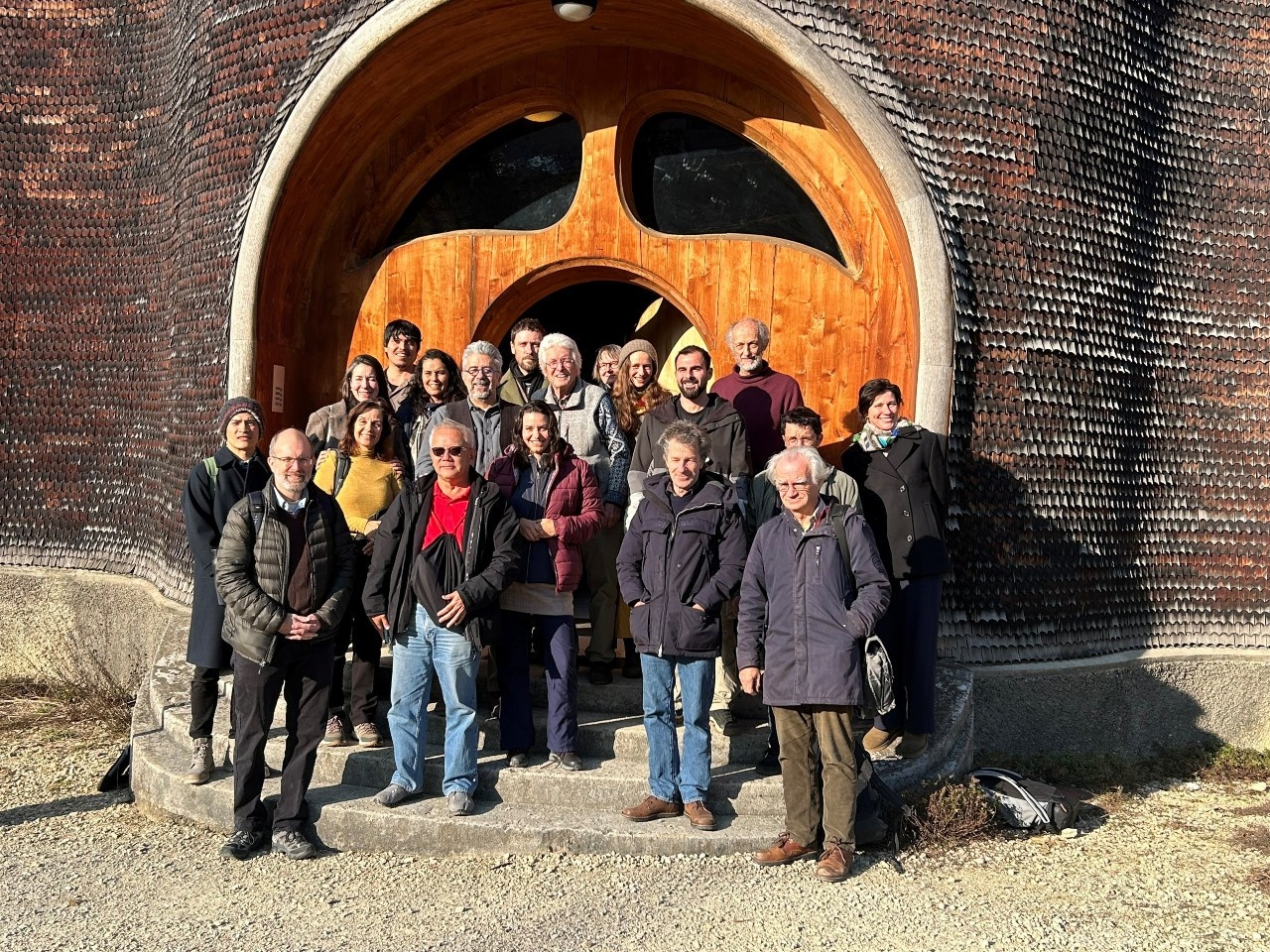
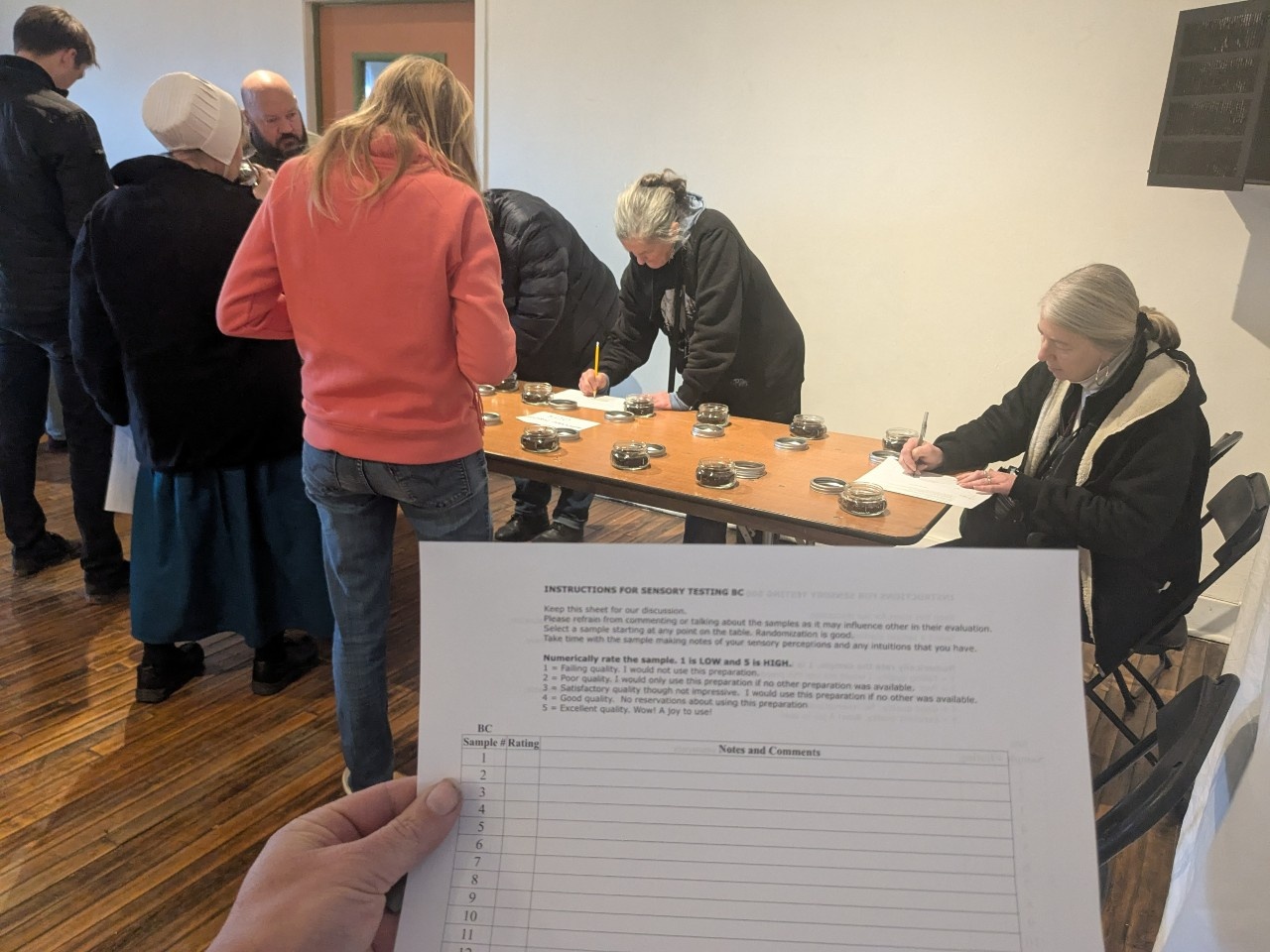
I finished my time in Dornach by attending a Preparation Makers Gathering, where the group established the need for a structured review of preparation making and discussions on what has been learned over the years of work around the world…to be continued at future meetings.
The conference at the Goethanum was organized by the Section for Agriculture. There are two co-leaders: Ueli Hurter from Switzerland, a former Biodynamic farmer, and Eduardo Rincón G. fresh from Mexico, who started with the organization about 6 months ago. I met Eduardo in Chile at the BFDI Members’ Assembly where we explored the local community together and visited a beautiful Waldorf School. He is a warm and caring person, and I trust that Switzerland will benefit from his academic and farming experience. This may be the first time that a leader has come from the Americas. Thank you, Eduardo, for stepping into this role!
Anthony Mecca with the Biodynamic Association also attended the conference. You can read more about his experience at The Future of Biodynamic Agriculture – "The Earth as a Living Being"
Captions for the photos below:
Left: A panel discussion at the Sustainable Foods Summit in California
Center: The Geothanium in Dornach, Switzerland
Right: Fellowship of Preparation Makers Gathering in Dornach