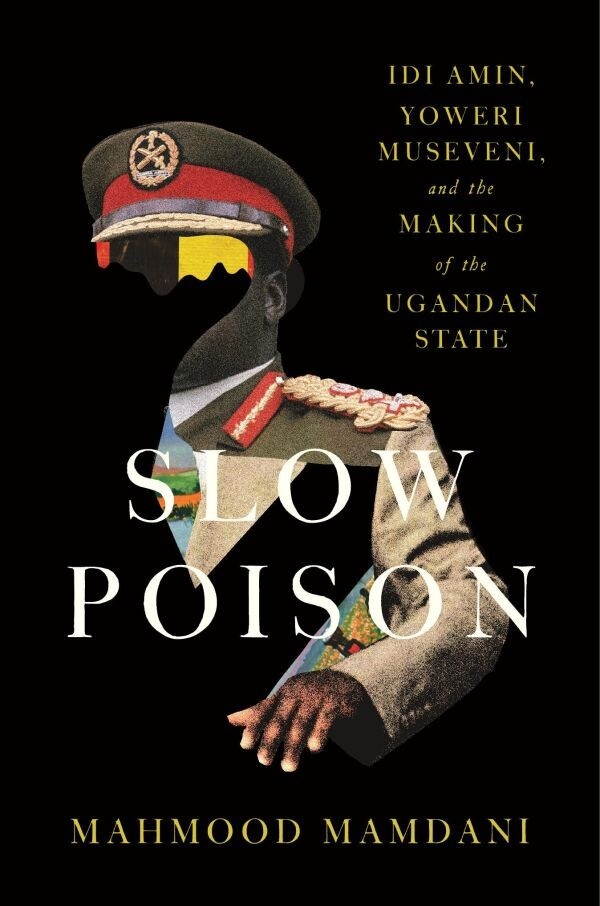
Mahmood Mamdani’s book is a compelling and incisive exploration of Uganda’s postcolonial history through the intertwined legacies of its two most consequential leaders. Mamdani, himself a survivor of Amin’s 1972 expulsion of Asians from Uganda, writes with both personal insight and scholarly precision.
He dismantles the caricature of Idi Amin as merely a monstrous buffoon, instead presenting him as a populist who weaponized resentment and nationalism in a bid to reshape the postcolonial state. Through this lens, Amin’s brutality is not excused but contextualized—as part of a wider struggle to define Ugandan identity after colonial rule. Mahmood Mamdani, now a professor of government at Columbia University (and father of Zohran Mamdani, the next mayor of New York) also writes about the experience of those expelled—how they felt like outsiders wherever they settled, even within their own homes. Despite Britain’s efforts to amend its laws to exclude non-white former subjects of the empire, the Ugandan Asians who managed to arrive there ultimately thrived.
The book’s title, Slow Poison, aptly captures Mamdani’s diagnosis of what followed Amin’s fall: the long, corrosive rule of Yoweri Museveni. Though Museveni restored stability and enjoyed international favor, Mamdani argues that his tenure has administered a subtler but equally destructive toxin—corruption, repression, and dependence on foreign powers. The author portrays Museveni as a “grateful stooge” of the West whose governance has hollowed out Uganda’s institutions while maintaining a façade of progress. Mamdani’s analysis is both historical and moral, asking whether Uganda has truly escaped its colonial inheritance or simply repackaged it.
Mamdani’s reflections resonate far beyond Uganda, offering a meditation on how postcolonial nations wrestle with sovereignty, identity, and the ghosts of empire. This is history written with urgency and empathy—a study not just of two men, but of the forces that continue to shape Africa’s political destiny.