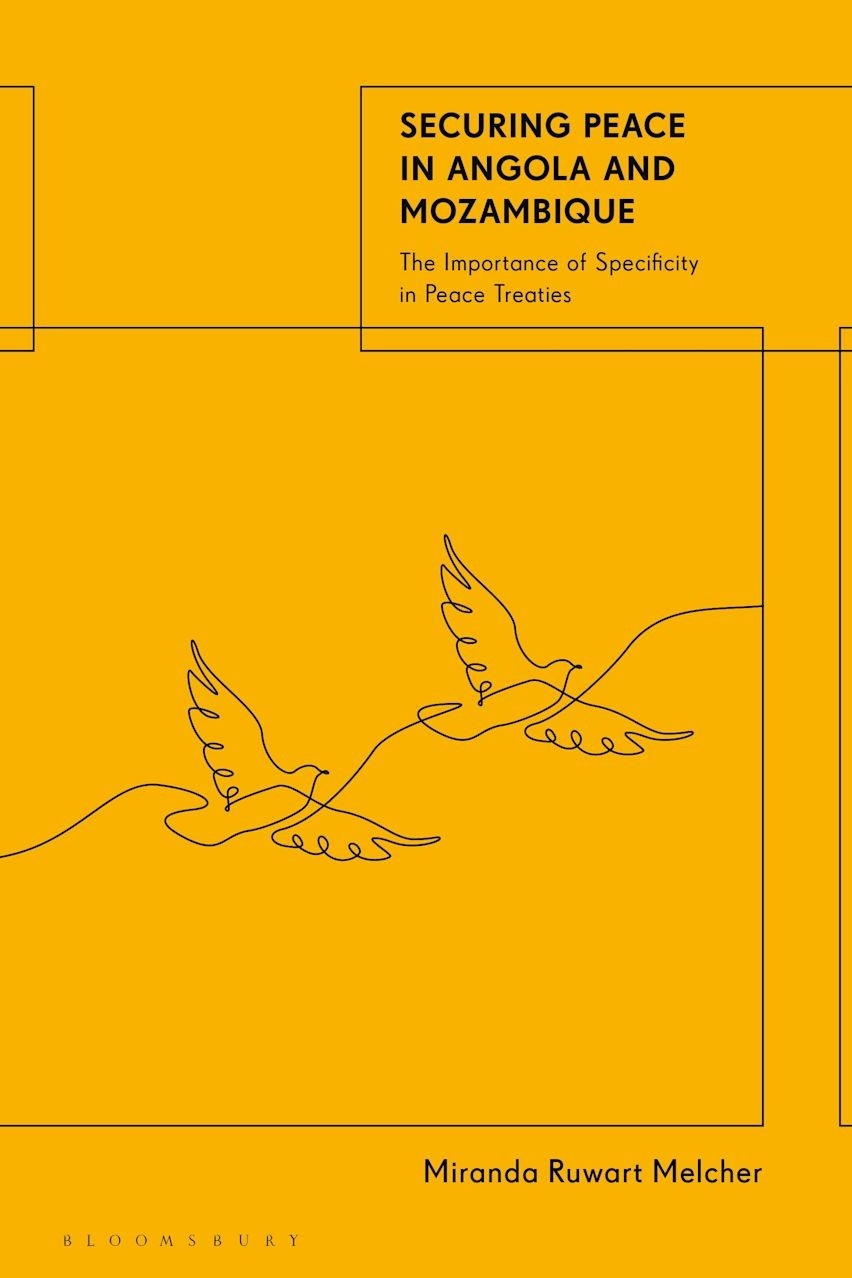
Miranda Melcher’s Securing Peace in Angola and Mozambique: The Importance of Specificity in Peace Treaties is a timely and insightful contribution to the field of peace and conflict studies, particularly in an era marked by the intensification of armed conflicts worldwide. As Melcher astutely observes, our understanding of how civil wars end remains less developed than our grasp of why they begin—a gap that becomes increasingly problematic given how quickly violence can escalate.
Her book addresses this issue head-on, offering a detailed examination of the peace processes in Angola and Mozambique to shed light on the challenges of convincing warring parties to negotiate, sign, and implement peace agreements. By analyzing the 1975–2002 Angolan civil war between the MPLA and UNITA, alongside Mozambique’s 1976–1992 conflict between FRELIMO and RENAMO, Melcher emphasizes the importance of viewing peace negotiations and implementation as interconnected processes.
Her argument for balancing specificity with flexibility in peace treaties—allowing decision-makers to adapt to unforeseen challenges—is supported by newly available UN archival documents, existing literature on both conflicts, and original interviews with key stakeholders.
What sets this book apart is its nuanced exploration of how treaty design influences post-conflict outcomes. Melcher argues that specificity in treaty provisions—such as clear timelines for disarmament and mechanisms for military reintegration—is essential to avoid disputes during implementation, while strategic ambiguity can undermine trust and create opportunities for renewed violence. Through a comparative lens, she highlights Mozambique’s relative success, which stemmed from pragmatic leadership, flexible mechanisms, and empowered joint committees with international oversight—contrasting sharply with Angola’s failure due to unrealistic timelines and resource constraints.
Melcher’s analysis not only provides historical insights but also offers actionable recommendations for contemporary peacebuilding efforts. Her work challenges traditional approaches, advocating instead for adaptable frameworks that address evolving needs during implementation. By combining rigorous archival research with practical insights, Securing Peace in Angola and Mozambique emerges as an essential intervention in the increasingly urgent debate on how to end civil wars effectively.