͏‌ ͏‌ ͏‌ ͏‌ ͏‌ ͏‌ ͏‌ ͏‌ ͏‌ ͏‌ ͏‌ ͏‌ ͏‌ ͏‌ ͏‌ ͏‌ ͏‌ ͏‌ ͏‌ ͏‌ ͏‌ ͏‌ ͏‌ ͏‌ ͏‌ ͏‌ ͏‌ ͏‌ ͏‌ ͏‌ ͏‌ ͏‌ ͏‌ ͏‌ ͏‌ ͏‌ ͏‌ ͏‌ ͏‌ ͏‌ ͏‌ ͏‌ ͏‌ ͏‌ ͏‌ ͏‌ ͏‌ ͏‌ ͏‌ ͏‌ ͏‌ ͏‌ ͏‌ ͏‌ ͏‌ ͏‌ ͏‌ ͏‌ ͏‌ ͏‌ ͏‌ ͏‌ ͏‌ ͏‌ ͏‌ ͏‌ ͏‌ ͏‌ ͏‌ ͏‌ ͏‌ ͏‌ ͏‌ ͏‌ ͏‌ ͏‌ 
Is this email not displaying correctly? View it in your browser.
Image description

 Infographic


Image description

 Institute for Security Studies

 Updated July 23, 2025

Image description

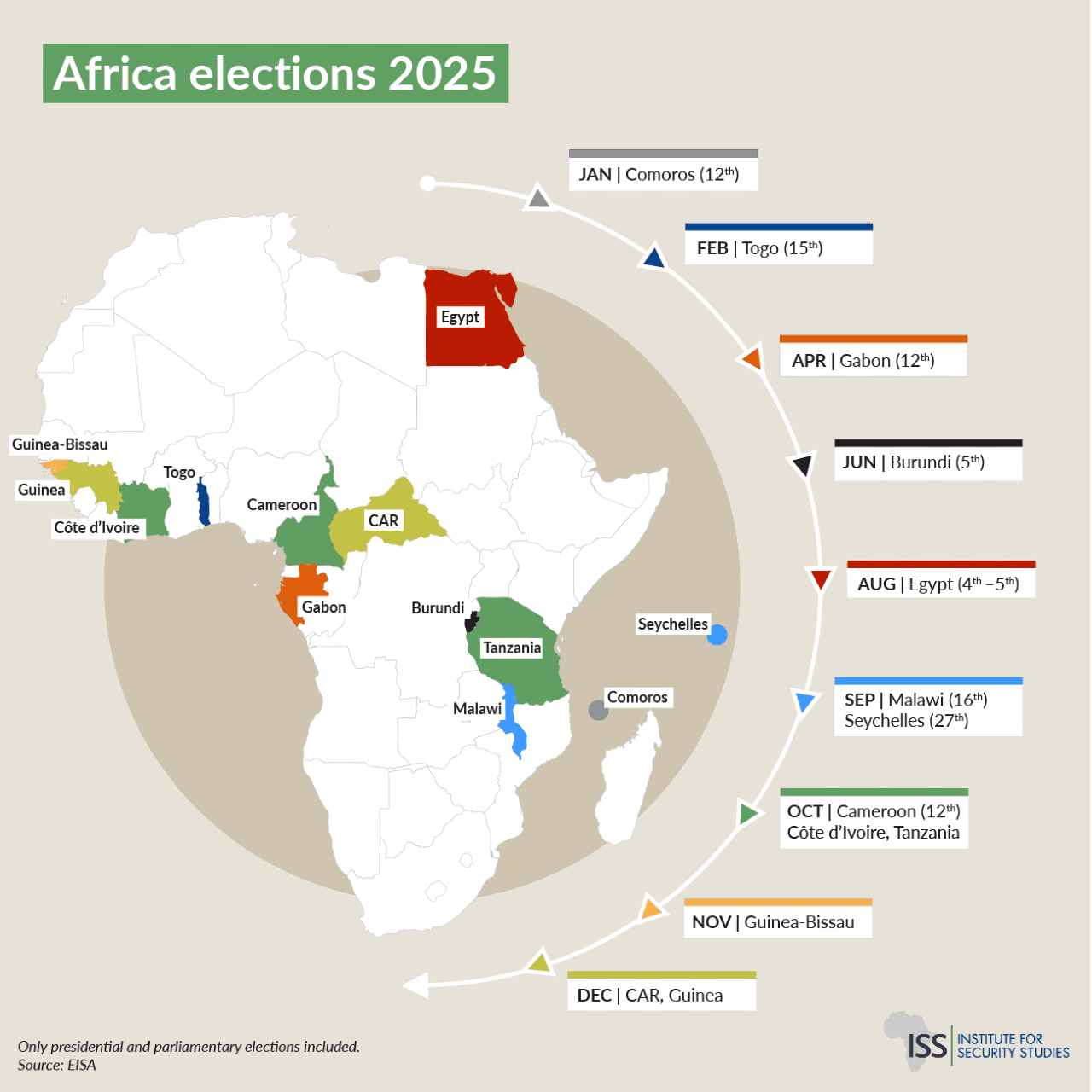
Africa elections 2025 

Image description
View Infographic at ISS website...

 News

 + Infographics


Image description

 AfriquEurope's   

 Social Media team 

 Infographic 

 based on ECDPM's 

 Discussion Paper 388 

 April 30, 2025


Image description
Image description

From One-Stop to 

No-Stop Borders?

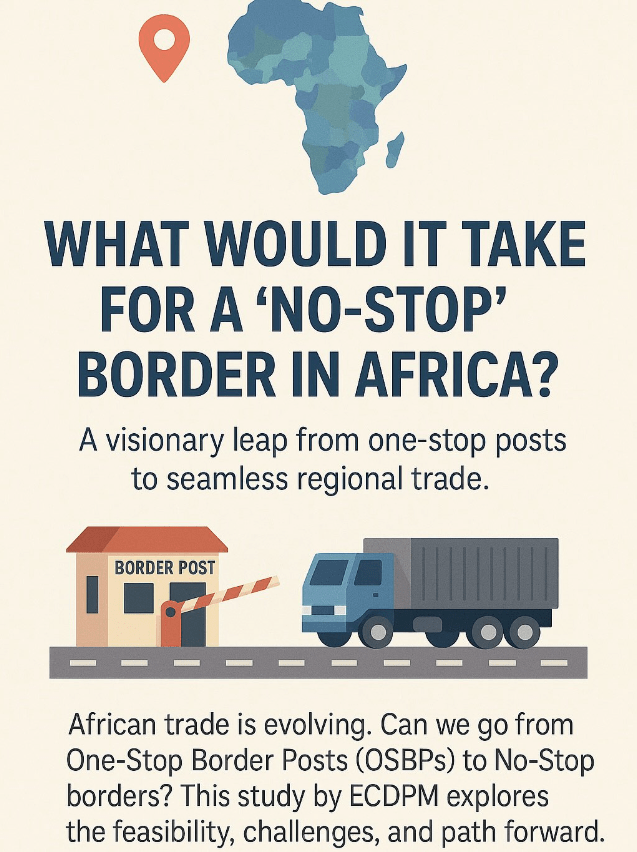
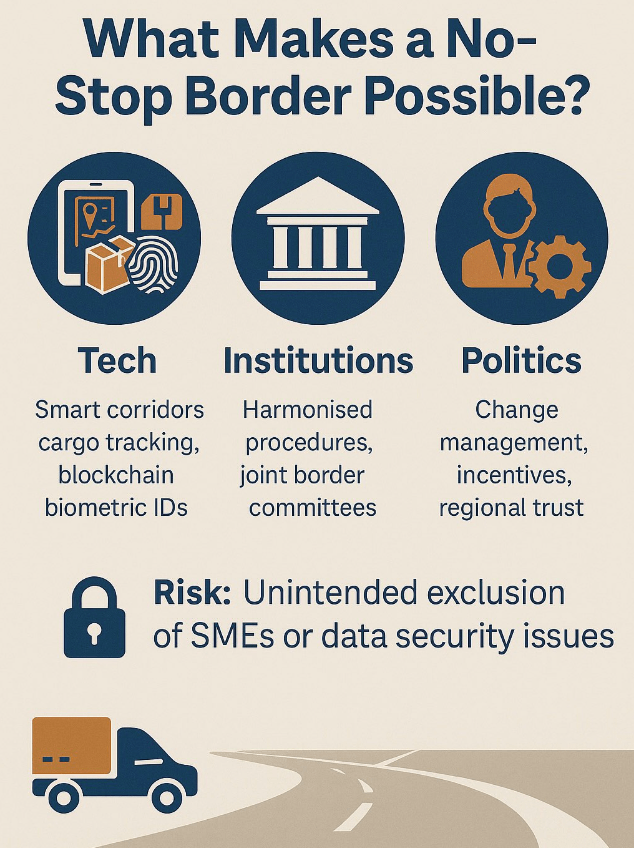
Is Africa ready to leap beyond traditional border systems toward seamless, smart trade corridors?


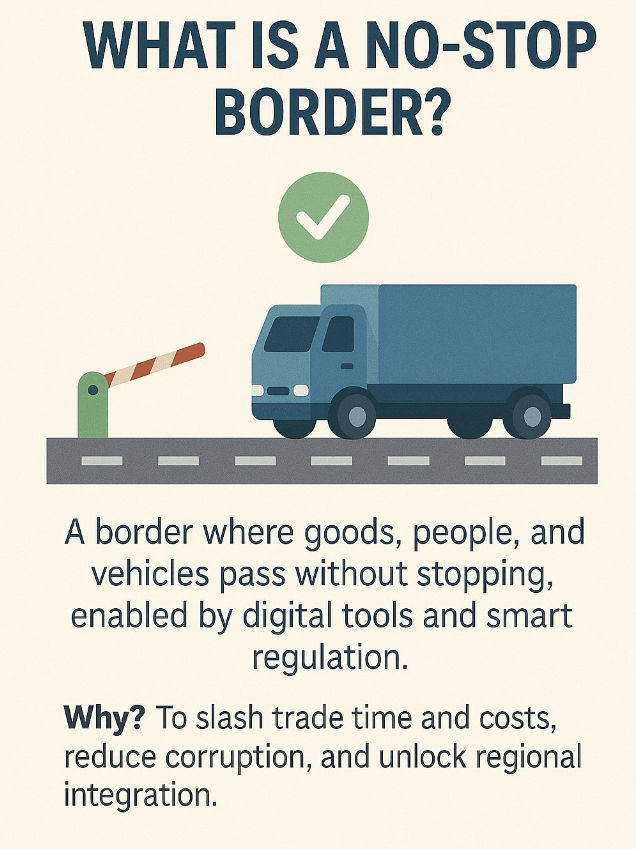
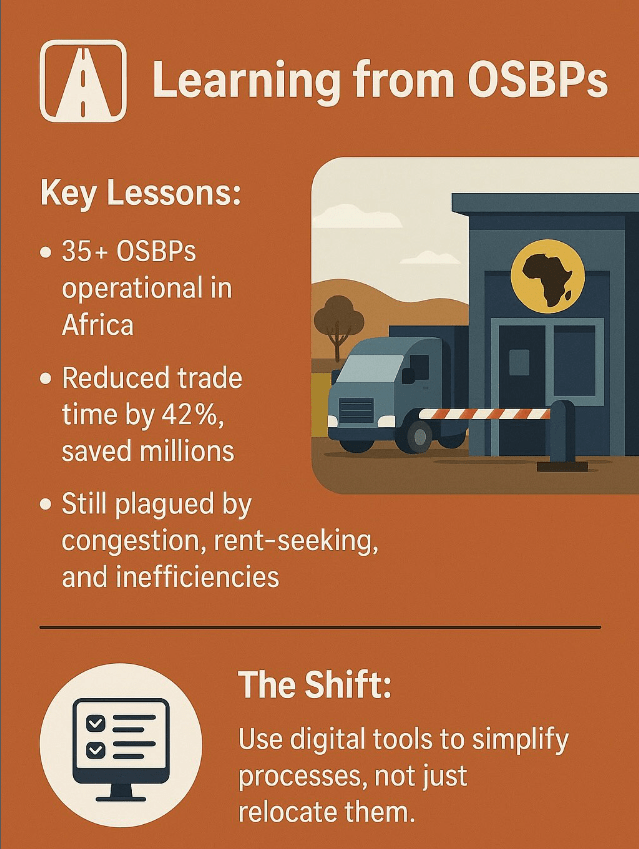
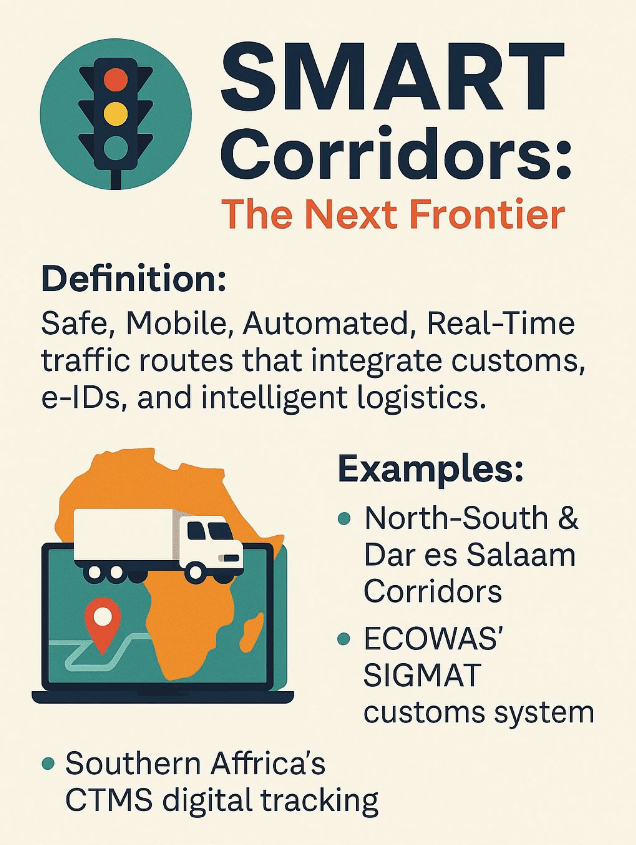
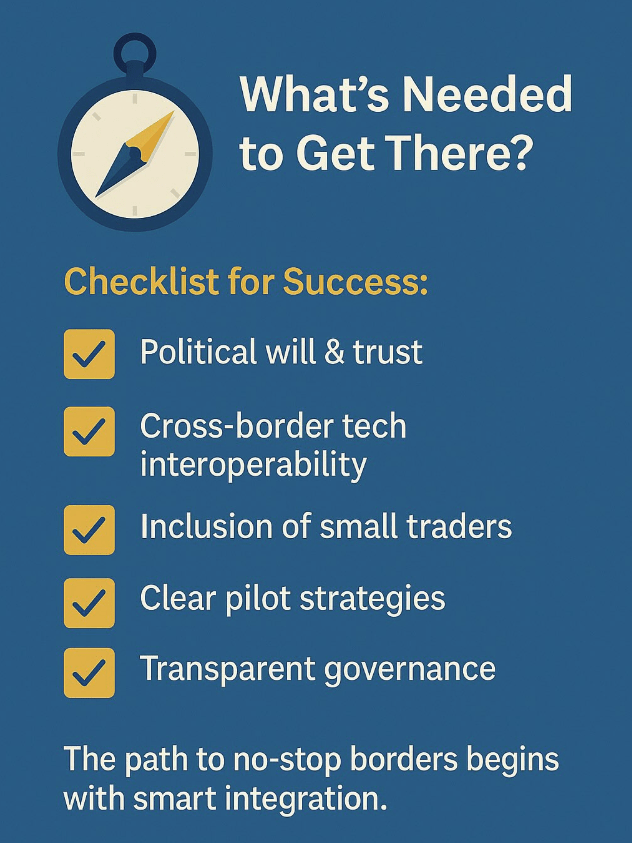
In our latest 6-slide visual breakdown, we explore the bold vision of “No-Stop Borders” — where goods, people, and vehicles move freely across African frontiers without delays or physical stops.

🔍 What you’ll find inside:
✔️ The concept and ambition behind No-Stop Borders
✔️ What tech, policy, and political trust it requires
✔️ Lessons from One-Stop Border Posts (OSBPs)
✔️ The rise of Smart Corridors and digital tracking systems
✔️ Critical success factors for turning this vision into reality

As Africa charts its path toward integration, the future may not just be faster—it might be frictionless.

📖 Based on:
“What would it take for a ‘no-stop’ border in Africa?” – ECDPM Discussion Paper 388, April 2025.



View ECDPM's paper...

Image description
Image description
Image description
Image description
Image description
Image description

 News

 + Infographics


Image description

 AfriquEurope's   

 Social Media team 

 Infographic 

 based on 

 Eromo Egbejule's 

 Article, published by  

 The Guardian

 June 3, 2025


Image description
Image description

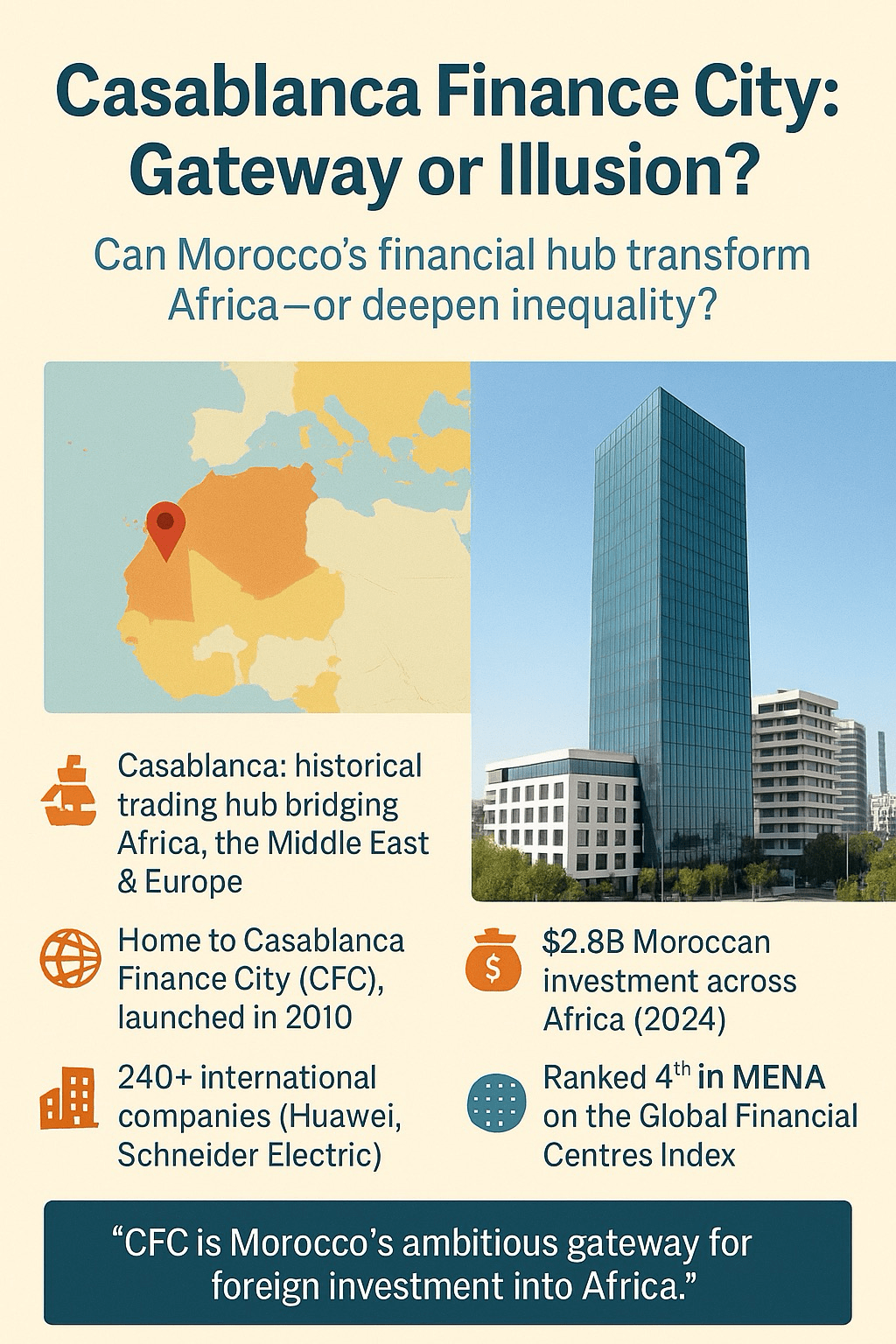
Is Casablanca Finance Citythe future of African economic integrationor a symbol of deepening inequality?

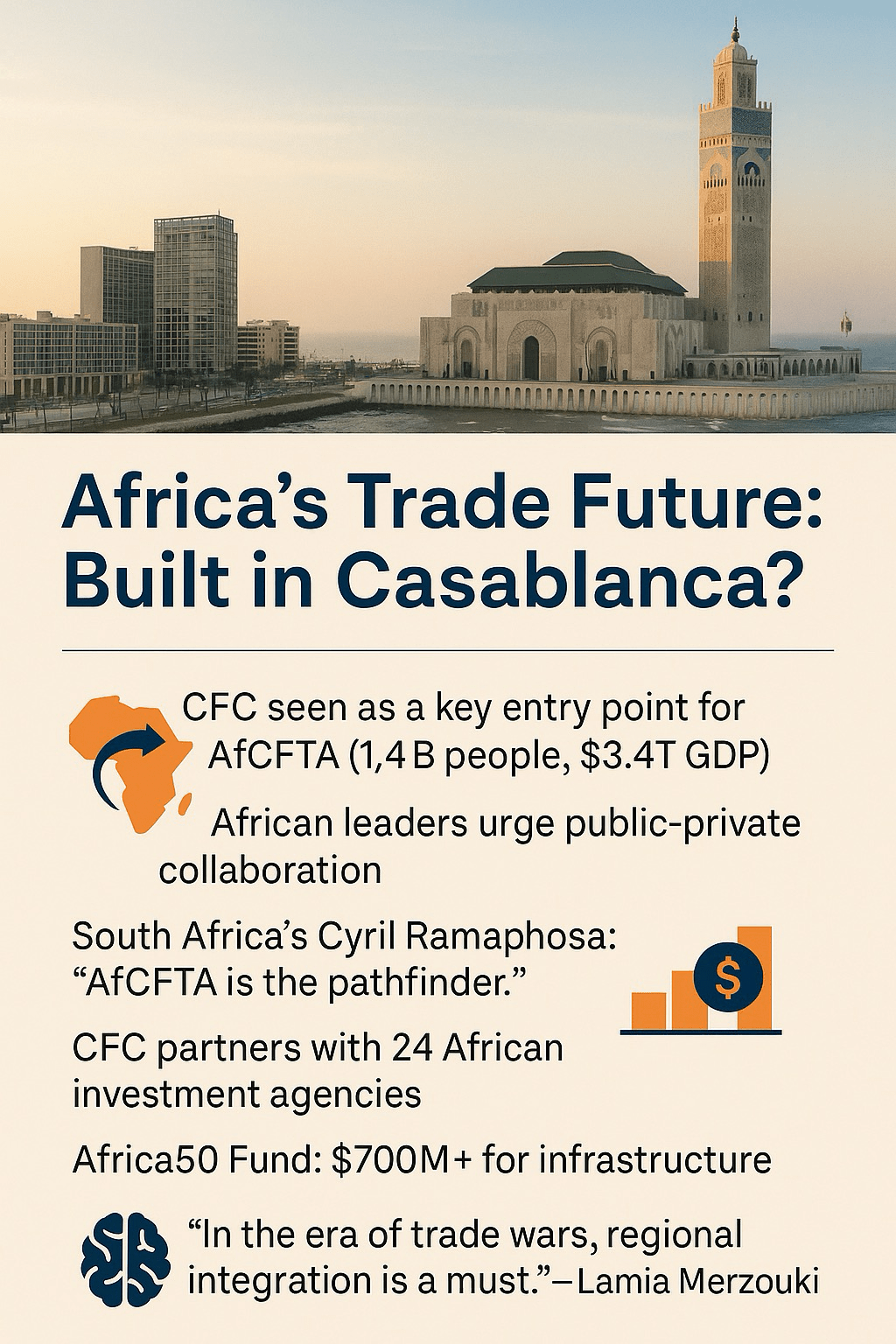
As geopolitical tensions and global trade wars intensify, Morocco positions Casablanca Finance City (CFC) as a strategic financial hub and a gateway for investment into Africa. With over 240 international firms and rising influence in the African Continental Free Trade Area (AfCFTA), CFC promises opportunity, innovation, and cross-continental connectivity.


But beneath the skyscrapers and tax incentives, questions arise:

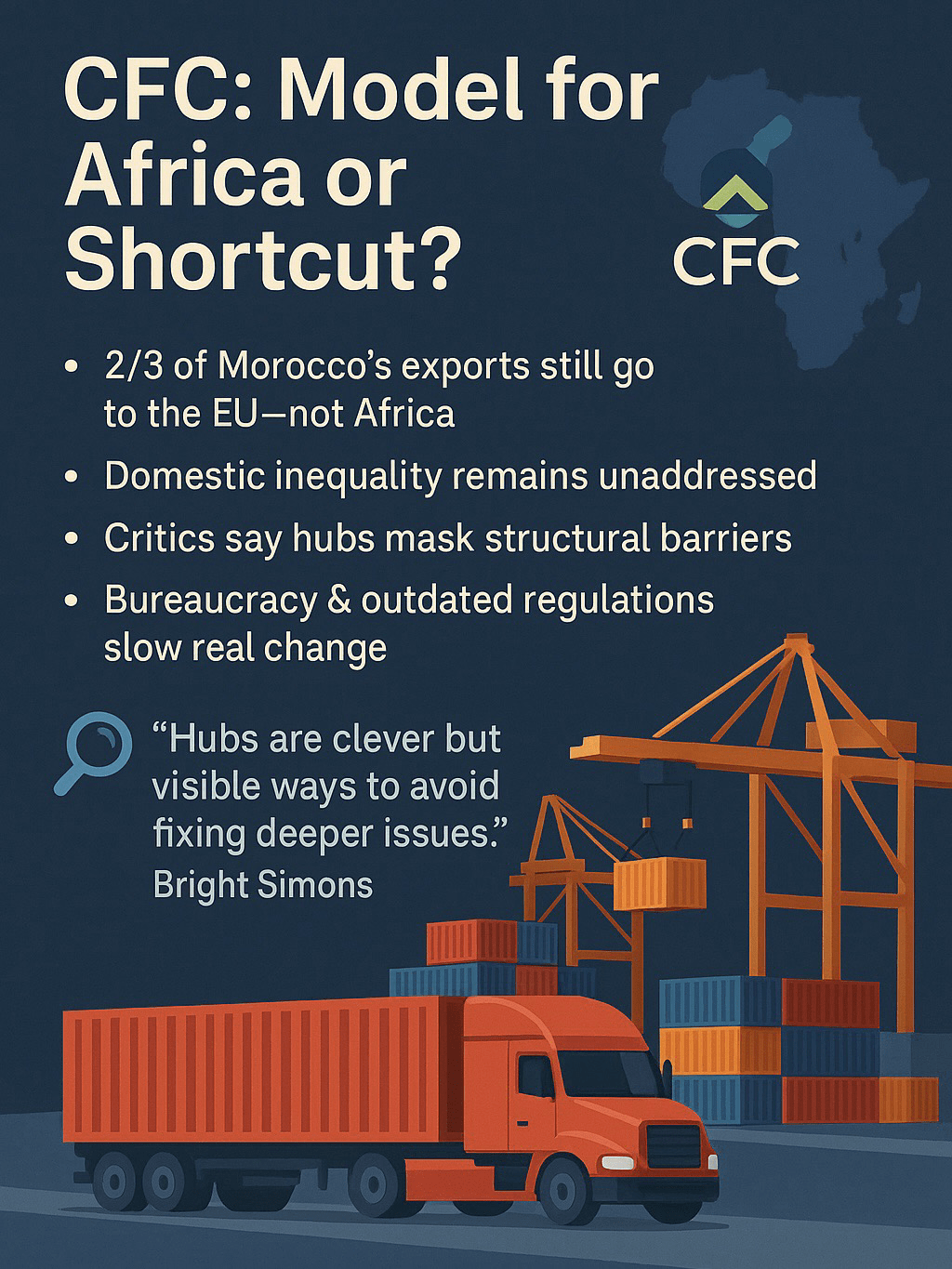
  • Is CFC accelerating inclusive development or masking structural inequalities?
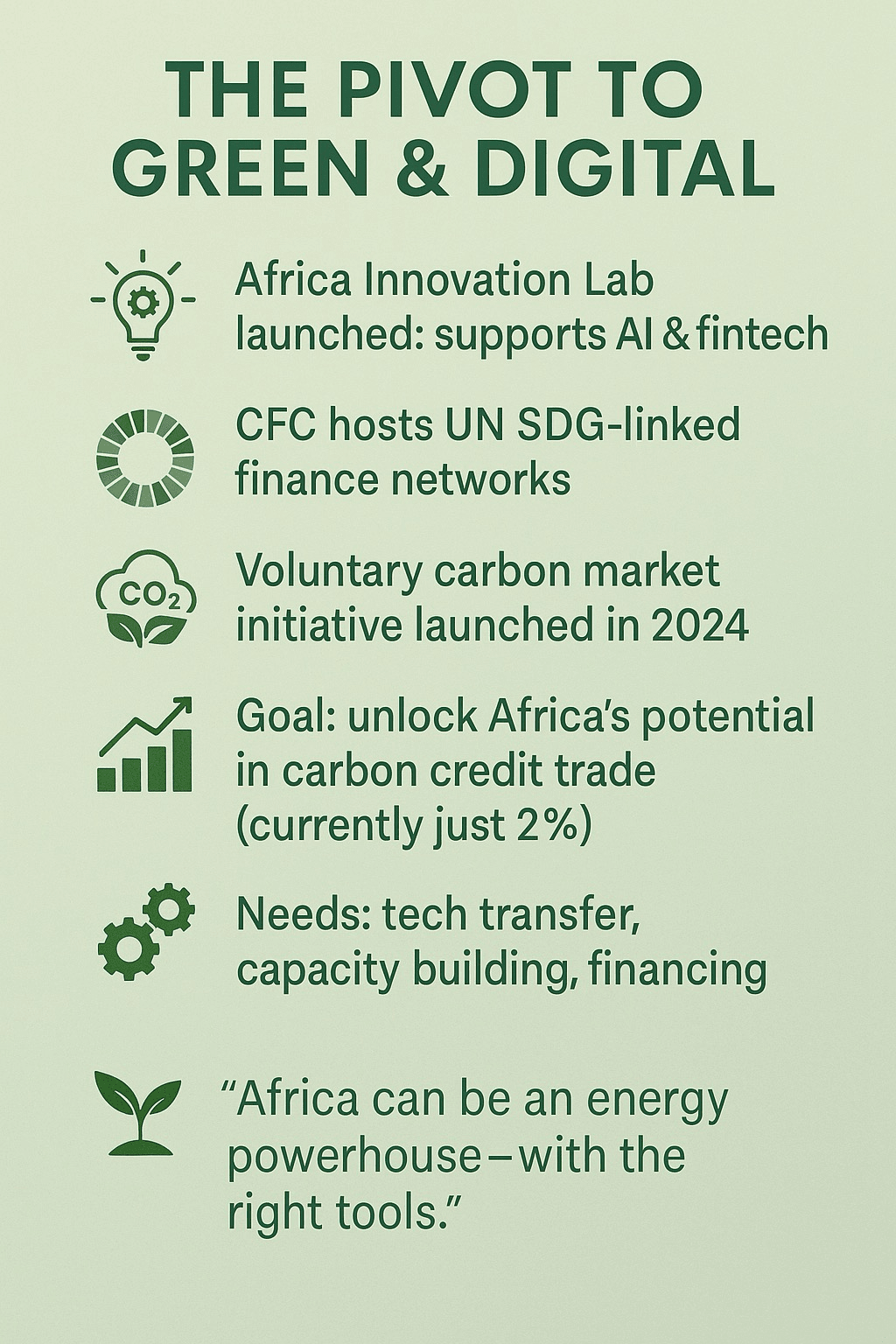
  • Can regional financial hubs drive integration, green finance, and AI innovation across borders?
  • Or are they temporary solutions to deeper infrastructural and regulatory deficits?

🔍 Our latest 4-slide visual analysis explores:
✔️ CFC’s rise and its impact on Africa’s trade ecosystem
✔️ Its role in AfCFTA implementation and intra-African cooperation
✔️ New ventures in carbon markets, AI, and fintech
✔️ The tensions between foreign capital and local inequality.

📖 Based on:
“High-rise, high expectations: is Casablanca’s finance hub a model for African development?” – by Eromo Egbejule, published by The Guardian (Abidjan, 3 June 2025)..


View The Guardian's article...
Image description
Image description
Image description

 Podcast

 The Crisis Group  

 Afrique 360


 July 22, 2025


Image description
Image description
Image description

Accord de paix RDC-Rwanda : quelles chances de succès ?

Image description

In this episode of Afrique 360°, Enrica Picco and Rinaldo Depagne welcome Onesphore Sematumba, senior analyst for the Democratic Republic of Congo (DRC) and Burundi at the International Crisis Group, and Jason Stearns, co-founder of the Ebuteli think tank and the Congo Study Group. 

Together, they discuss the peace agreement signed in Washington between the DRC and Rwanda and the obstacles that remain to lasting peace in eastern DRC.

Read more...

 Worth Reading


Image description

 International IDEA,

 Africa Barometer 2024,

 July 10, 2024

Image description

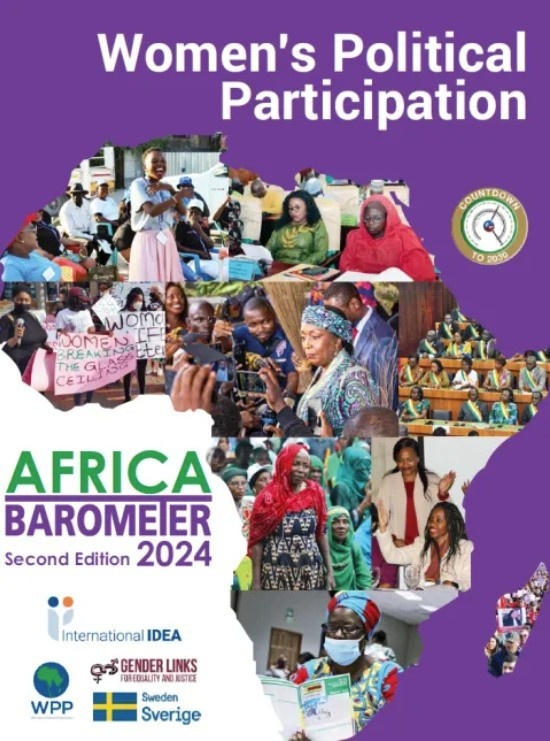
Women’s Political Participation: Africa Barometer 2024  

Image description

According to The Women in Political Participation Barometer (WPP) women’s representation in African Parliaments has increased by one percentage point, from 25% in 2021 to 26% in 2024 but their presence in local government across Africa has declined. 41 African countries now have quotas of one kind or the other at local and or national level. Africa is home to the global leader of WPP (Rwanda, with 61% women in parliament) but also one of the lowest (Nigeria, at 4%).

Read more...
Download WPP barometer (pdf)...

 Worth Reading


Image description

Luiss Research Center for European Analysis and Policy,

Policy Brief 10/2025,

by Eleonora Poli, Andre Wolf and Rossella Boccia,

June 24, 2025

Image description

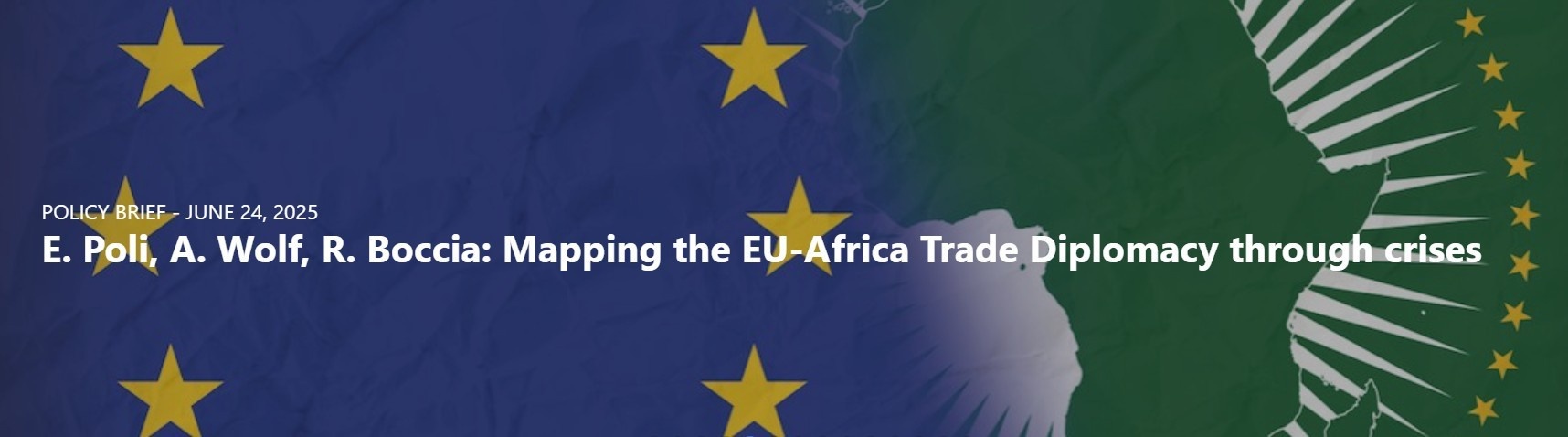
Mapping the EU-Africa Trade Diplomacy through crises

Image description

Being one of Europe’s closest geographical neighbours, Africa plays a critical role within the European geopolitical and geoeconomic strategic maps. 
Although Africa and Europe share many political and economic links, it was with the 1975 Lomé Convention that the mercantilist and imperialist approach exercised for years by Europe began to change.

Download the Policy Brief (pdf)...

 Worth Reading


Image description

Chatham House,

Report 

by Dr. Renad Mansour and Mark White, 

Updated June 16, 2025

Image description

Why peacebuilding fails 

and what to do about it

 Evidence from conflict economies 

in the Middle East and Africa

Image description

As the world becomes geopolitically more fragmented, conflicts are increasing in complexity and number – up by almost three-quarters since the 2000s. In this shifting order, conflict is being internationalized in new ways as states, armed groups and other actors cultivate adaptive alliances with multiple partners across the political and ideological spectrum. Many of these relationships are motivated by economic survival or pragmatism, entrenching profit-driven dynamics that are often impervious to external policy intervention. Internationally led stabilization and peacebuilding policies must adapt accordingly.

This report, the culmination of a five-year project, considers the pressing question of how to respond more effectively to such challenges in an era in which traditional rigid geopolitical spheres of influence are dissolving.

Read more...
Download the Report (pdf)...

 Worth Reading


Image description

Free Network,

Policy Brief

by Mariia Bogonos and Pavlo Martyshev

June 12, 2025

Image description

Beyond North Africa: 

Ukraine’s Agricultural Engagements 

with Sub-Saharan Partners

Image description

In recent years, the global agricultural landscape has shifted dramatically, shaped by intersecting crises of climate change, food insecurity, geopolitical tensions, and technological disruption. Against this backdrop, Ukraine and Sub-Saharan Africa have emerged as two regions uniquely positioned to forge a complementary partnership in the agri-food sector – one that not only addresses immediate humanitarian and trade challenges but also sets the stage for long-term sustainable development. As Ukraine looks to diversify its agricultural partnerships beyond traditional European and Asian markets, Africa represents both a growing consumer base and an investment frontier where Ukraine’s expertise and surplus production capacity can meet critical demand. 

This policy brief explores how Ukraine and certain African countries can deepen cooperation across the agricultural value chain.

Read more...
Download the Policy Brief (pdf)...

 Book Reviews


Image description

The Colinialist: 

The Vision of Cecil Rhodes


William Kelleher Storey

Oxford: Oxford University Press, 2025

Image description

In The Colonialist, William Kelleher Storey delivers a deeply researched and unsparing biography of Cecil Rhodes, the powerful and polarizing architect of British imperialism in southern Africa. Rather than glorify or vilify without nuance, Storey presents a layered portrait of a man whose vast wealth—amassed through diamond monopolies and strategic land grabs—allowed him to shape colonial policy and politics to devastating effect. From his early ventures in Kimberley’s diamond fields to his tenure as prime minister of the Cape Colony, Rhodes emerges as a figure driven by racial supremacy and imperial ambition. Storey is explicit about Rhodes’s bigotry, yet he also places it within the broader imperial context of the late 19th century, allowing readers to grapple with both the individual and the system he represented.
Storey’s
biography arrives at a moment when Rhodes's legacy has become a lightning rod for debates about colonialism, historical memory, and public monuments. Since the explosive launch of the “Rhodes Must Fall” movement in 2015—sparked by the symbolic act of dousing his statue with human waste at the University of Cape Town—protesters have called for the removal of Rhodes’s likenesses across the world, including at Oxford’s Oriel College. These campaigns view Rhodes not merely as a historical figure, but as an enduring symbol of racial injustice and imperial violence. At the same time, Storey doesn’t ignore the irony that some of the movement’s most vocal participants have been Rhodes Scholars—beneficiaries of the prestigious international scholarship program established through his will. Rhodes’s philanthropic legacy, including his endowments to the University of Cape Town and Oriel College, as well as the founding of the Rhodes Scholarships, was meant to cement his place in posterity. Yet even these gestures, meant to promote leadership and global connection, are now reexamined in light of the deep inequities and exclusions that financed them. The Colonialist compellingly shows that reckoning with Rhodes is not just about tearing down statues, but confronting the enduring systems of privilege he helped build.


 News 


Image description

Press Release

July 18, 2025

Image description

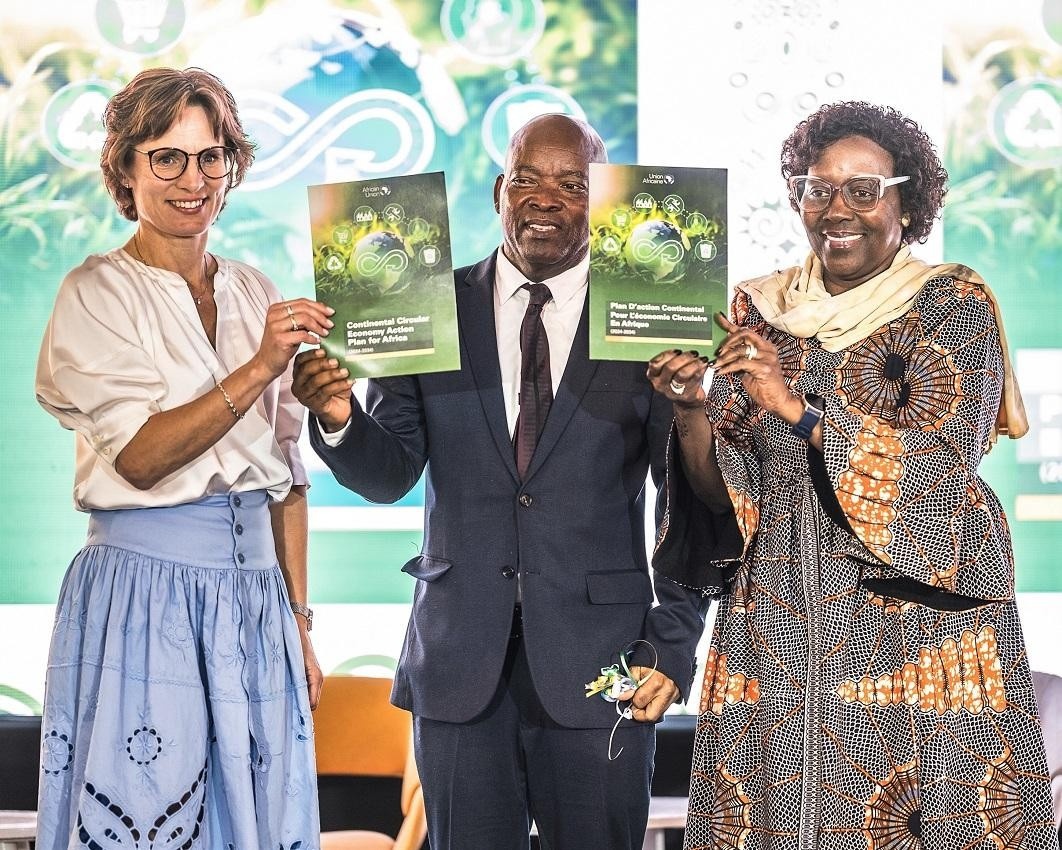
 Launch of African Union’s Continental Circular Economy Action Plan (CEAP) 

for Africa (2024 to 2034)

Image description

The African Union (AU) and the European Union (EU) officially announced the launch of the Continental Circular Economy Action Plan (CEAP) for Africa (2024–2034). Introduced by Moses Vilakati, AU Commissioner for Agriculture, Rural Development, Blue Economy, and Sustainable Environment, and Jessika Roswall, EU Commissioner Environment, Water Resilience and a Competitive Circular Economy, the plan is designed to advance sustainability, drive economic growth, and enhance resource efficiency across Africa over the next decade.

Read more...

 The AU-EU 

 High Level Policy 

 Dialogue (HLPD)  

 on Science, Technology 

 and Innovation


Image description
Image description

 EU - Africa cooperation Partnership in 

Research and Innovation 

Image description

The AU-EU High Level Policy Dialogue (HLPD) on Science, Technology and Innovation formulates long-term research and innovation policy priorities to strengthen Africa-Europe cooperation. 

Read more...

 News 


Image description


Article

June 27, 2025

Image description

 EU Accelerates 

Mining Investments 

Across Africa

in H1 2025

Image description

The EU increased financial and techn'ical support for Africa’s mining sector in the first half of 2025, aligning its foreign investment strategy with the continent’s agenda to shape the global energy transition. In June this year, the EU named four Africa-bsed projects as part of its 13 globally strategic initiatives under the Critical Raw Materials Act. 

The projects include Mkango Resource's 8,425-ton-per-annum Songwe Hill Rare Earths Project in Malawi and Frontier Rare Earths’ 4,000-ton-per-annum Zandkopsdrift magnet-grade rare earths project in South Africa. The Maniry Graphite Project in Madagascar led by Evion Group and a 6,000-ton-per-annum cobalt refinery in Zambia are also among the projects set to receive EU financial support and technical assistance. 

Read more...

 News 


Image description


Article

by Federico Travella

July 31, 2025

Image description

 Beyond the Atlantic: 

Why European startups 

should consider Africa 

for their next expansion

Image description

When people learn of helping European scaleups expand into African markets, the reaction is often a mix of curiosity and scepticism. One of the first questions that comes up is whether this kind of expansion risks repeating patterns of colonialism. It’s a fair concern and one that deserves thoughtful reflection. But the reality on the ground is far more complex. European startups are already building meaningful operations across the continent, solving real problems, and having real impact. 

Read more...

 AfriquEurope

 Upcoming   Event


Image description
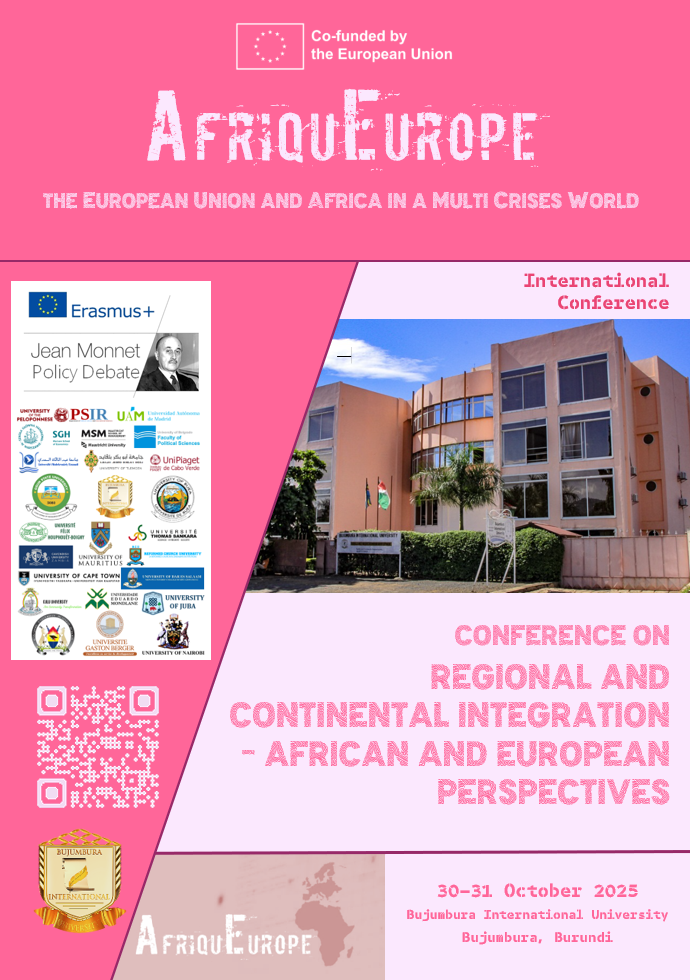
October 30-31, 2025 Bujumbura, Burundi
Image description
Image description
Image description

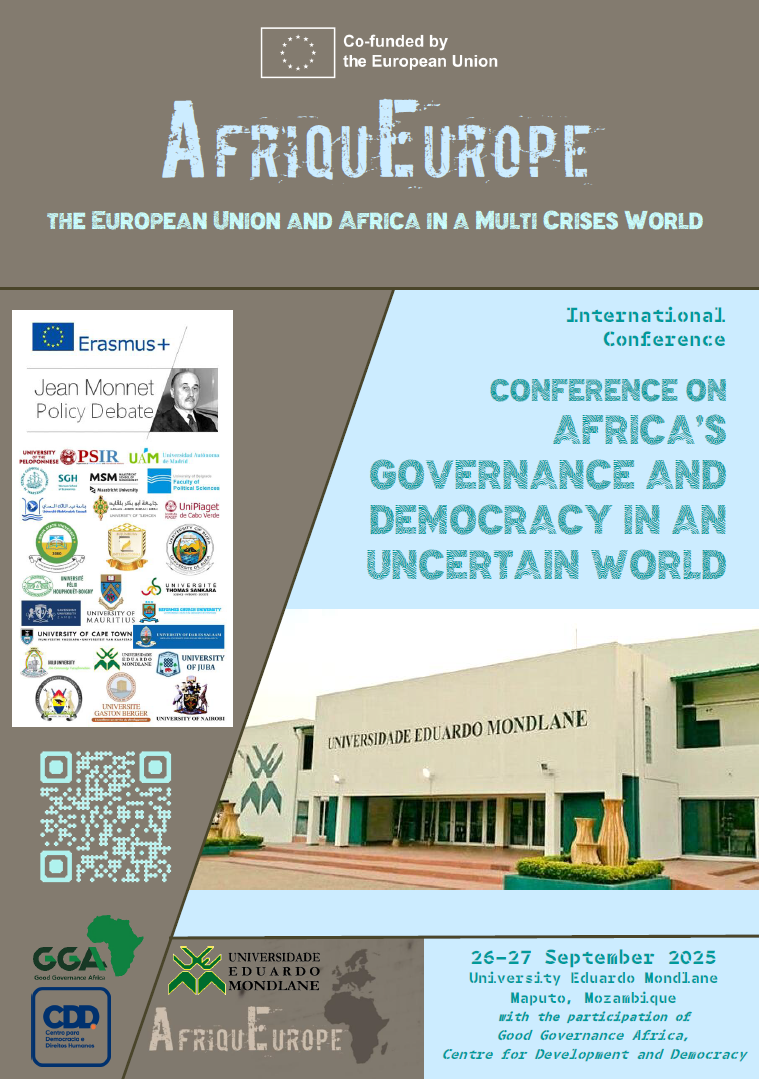
AfriquEurope Project - 7th Conference


Conference on

Regional and Continental Integration 

– African and European Perspectives


hosted at Bujumbura International University,
Bujumbura, Burundi

Call for Papers ...
Image description
Conference Webpage...
AfriquEurope-consortium-logos
Image description

The AfriquEurope project and the University of the Peloponnese acting as the AfriquEurope's project consortium coordinator are  committed to protecting and respecting the privacy of users of its online services and comply with the General Data Protection Regulation (Regulation (EU) 2016/679 of the European Parliament and of the Council of 27 April 2016). It does not disclose personal data to third parties and applies reasonable policies and technical and organizational measures in order to protect the personal data of users.

If you would like to unsubscribe, please click here.
Powered by Sender.net