An Architect's True Calling
͏ ͏ ͏ ͏ ͏ ͏ ͏ ͏ ͏ ͏ ͏ ͏ ͏ ͏ ͏ ͏ ͏ ͏ ͏ ͏ ͏ ͏ ͏ ͏ ͏ ͏ ͏ ͏ ͏ ͏ ͏ ͏ ͏ ͏ ͏ ͏ ͏ ͏ ͏ ͏ ͏ ͏ ͏ ͏ ͏ ͏ ͏ ͏ ͏ ͏ ͏ ͏ ͏ ͏ ͏ ͏ ͏ ͏ ͏ ͏ ͏ ͏ ͏ ͏ ͏ ͏ ͏ ͏ ͏ ͏ ͏ ͏ ͏ ͏ ͏ ͏

| The Architects' Hub Insider |
|
Business and Architecture |
|
'Architectural success thrives on ethics, emotional intelligence, and a curious mind.'
|
|
|
| |
|
|
| Issue 27 | December 10th 2024 CONTENT SUMMARY What is Adaptable Antifragile Architecture | Architect in Focus: A Case from the Ukrainian Conflict | Latest Architects Hub Posts | 7 Films That Architecture Enthusiasts Must Watch in 2024 | Call for Collaboration |
|
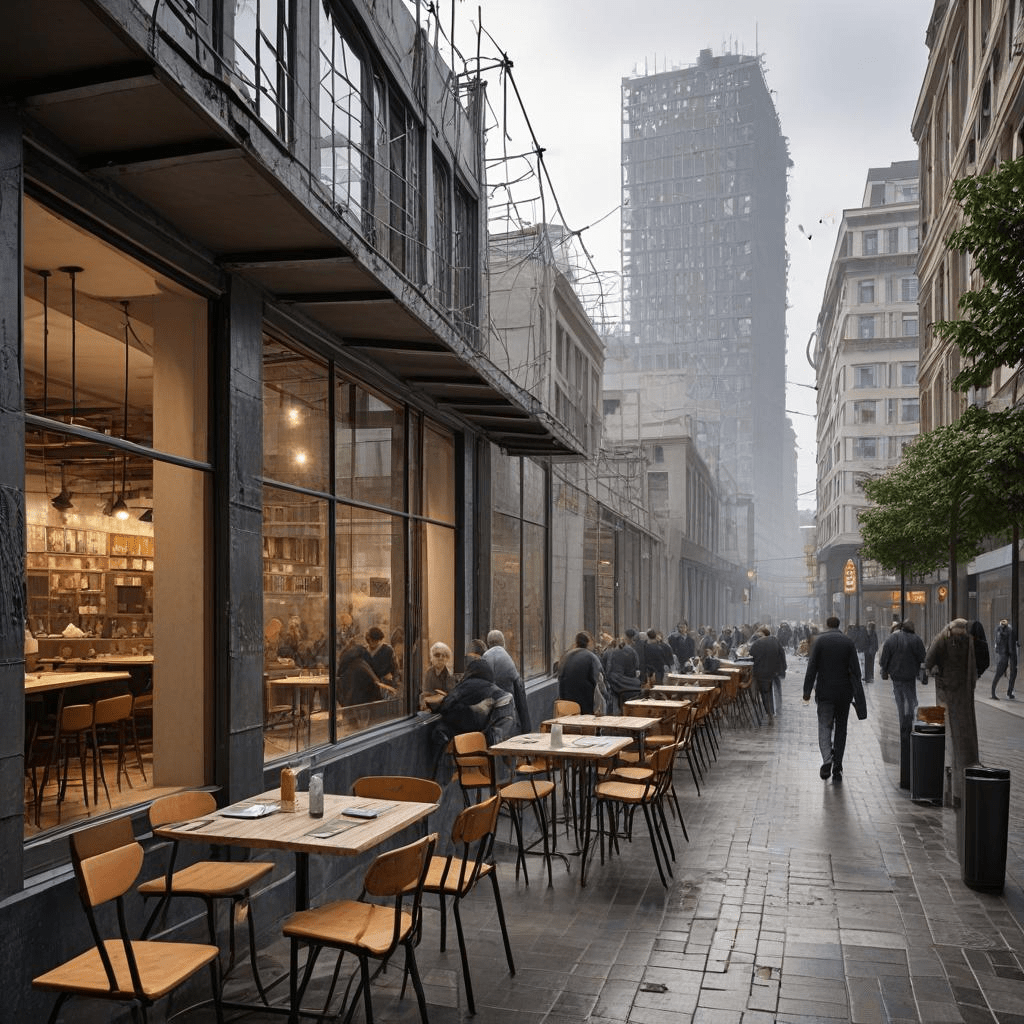
Architects Should Design for Chaos |
|
Going Beyond Resilience into Anti-Fragility |
|
|
| |
|
|
| Adaptable Anti-Fragile Architecture; a solution? |
|
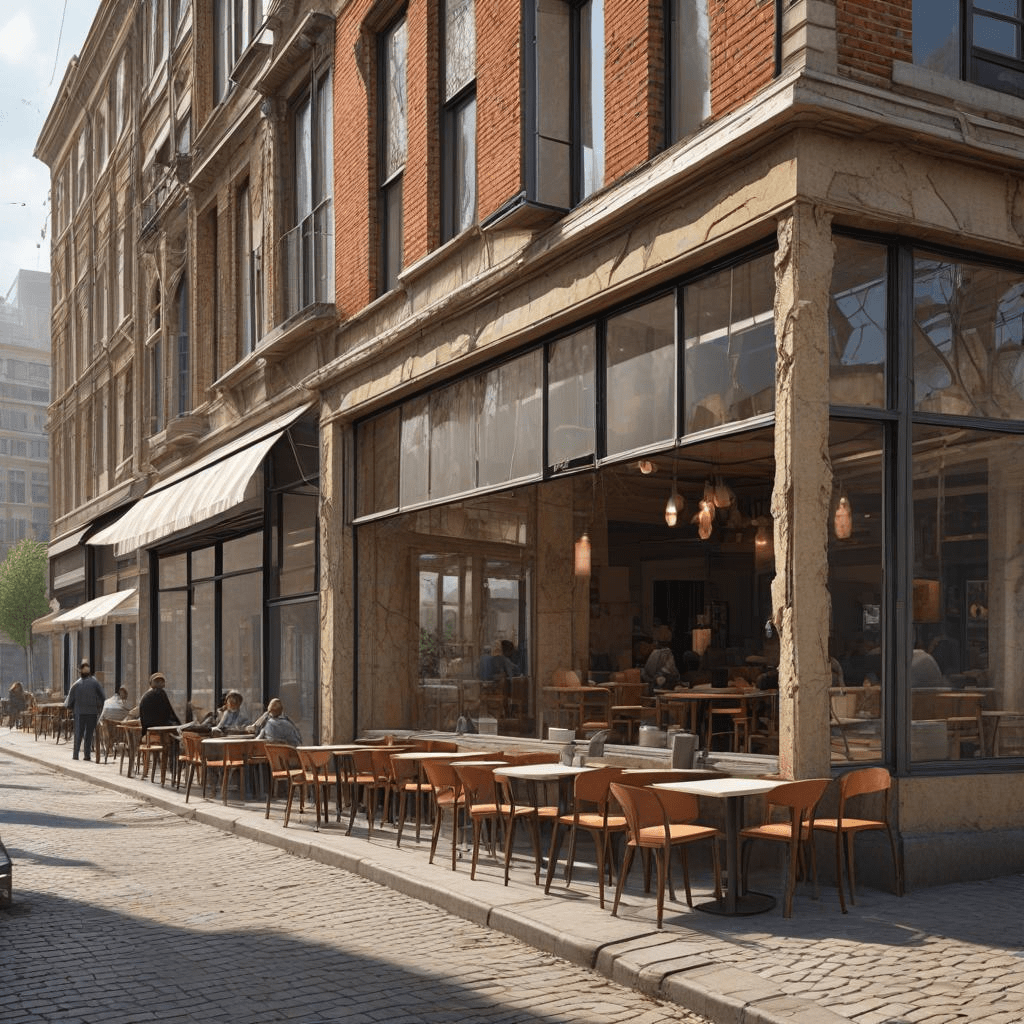
Lessons learnt from covid 19 and the concept of antifragility can work together to create the concept of Adaptable Antifragile architecture! Amid an era fraught with mounting global challenges, architects serve as vital agents in rebuilding communities devastated by widespread destruction, displacement, and assaults on human dignity. Inspired by Nassim Taleb's antifragility paradigm outlined in "Antifragile: Things That Gain from Disorder," architects can envision their work as a catalyst for fostering resilience and adaptability within communities during tumultuous times, bolstering societal well-being through innovative design. In other words, Adaptable Anti-Fragile Architecture takes human-centric design to the next level, addressing the critical risks of war and pandemics, issues that demand urgent attention and will transform the conventional format of standard architecture briefs. By prioritizing adaptability and the preservation of human dignity, we harness our collective potential to forge a more secure and sustainable future through visionary design.
|
|
*Humanitarian Architect in Focus* |
|
Empathy-Focus Architecture: A Case from the Ukrainian Conflict |
|
The intersection of architecture and empathy can create spaces that nurture dignity, resilience, and healing. Architect and humanitarian Slava Balbek, who volunteers part-time on the front lines of the Russian invasion of Ukraine, exemplifies this approach. His experiences emphasize the significance of designing temporary housing solutions that cater to the needs and well-being of displaced Ukrainians who have lost their homes. Balbek's work demonstrates the potential of architecture to provide comfort and foster a sense of community amidst chaos, showcasing the impact of empathy-focused design in addressing real-world challenges. |
|
|
| |
|
|
| The Architects' Hub Business Blog |
|
|
| |
|
|
| Why Architecture must Design for Chaos, Not Stability |
|
What if architecture shifts focus from creating stability to fostering adaptability and resilience? We live in a world where unpredictability defines our reality; natural disasters, societal upheaval, and technological disruptions. How can Architecture help support communities survive and thrive? Architects could embrace chaos, designing buildings and urban environments that empower communities to adapt and thrive amid uncertainty. |
|
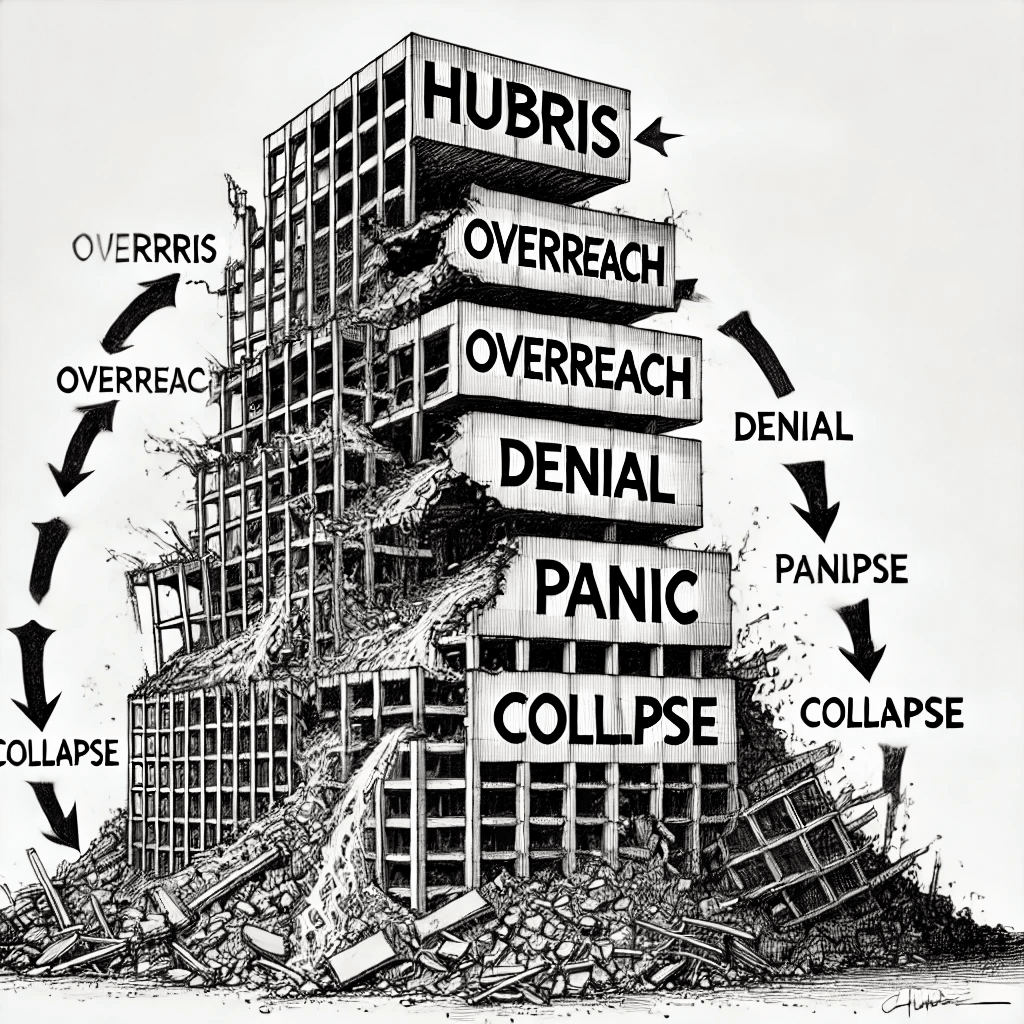
Is Your Architecture Firm Failing? |
|
Jim Collins’ book, How the Mighty Fall, presents a transformative framework for understanding organizational decline, providing a perspective that can be applied to architectural practices. While architects often focus on creativity and innovation, the same principles that apply to corporate giants are equally critical to smaller design firms. This article reframes Collins’ five stages of decline specifically for architects, helping firms recognize warning signs and act decisively to safeguard their legacy. |
|
|
| |
|
|
| 7 Films That Architecture Enthusiasts Must Watch in 2024 |
|
"Films aren't just entertainment; they can be educational tools too. They have the power to visually transport viewers to different locations and time periods, sparking curiosity about the real world, especially regarding architecture and history. This is particularly relevant for those outside the field of architecture. Films offer a window into various architectural styles and eras, potentially inspiring viewers to learn more." - IIAD |
|
|
| |
|
|
| Do you have an idea or project for Rebuilding Communities |
|
Do you believe in the pivotal role of architects in rebuilding communities? Do you have an idea or project to share? Have you used empathy in architecture to rebuild lives? Share a stories and projects focused on designing for displaced communities to inspire a more compassionate, resilient future. Ignite a conversation! Raise awareness to a cause! |
|
|
| |
|
|
| Follow The Architects Hub |
|
|
| |
|
|
| Disclaimer The Architects' Hub newsletter is curated by me, Omima Ismaiel, founder of the The Architects Hub and the former Architects' Hub Qatar (2016-2022). The content includes a mix of curated news, along with my personal insights and professional interpretations. These insights are based on my experience but do not constitute formal professional advice. While I strive to provide accurate information, I cannot guarantee completeness or freshness. The content is for informational purposes only and should not be a substitute for professional consultation. Please refer to original sources for complete and verified information. Note content may include affiliate links. Feel free to email me with feedback: [email protected] |
|
|
| |
|
|
 |