| Random Questions for Restless Minds |
|
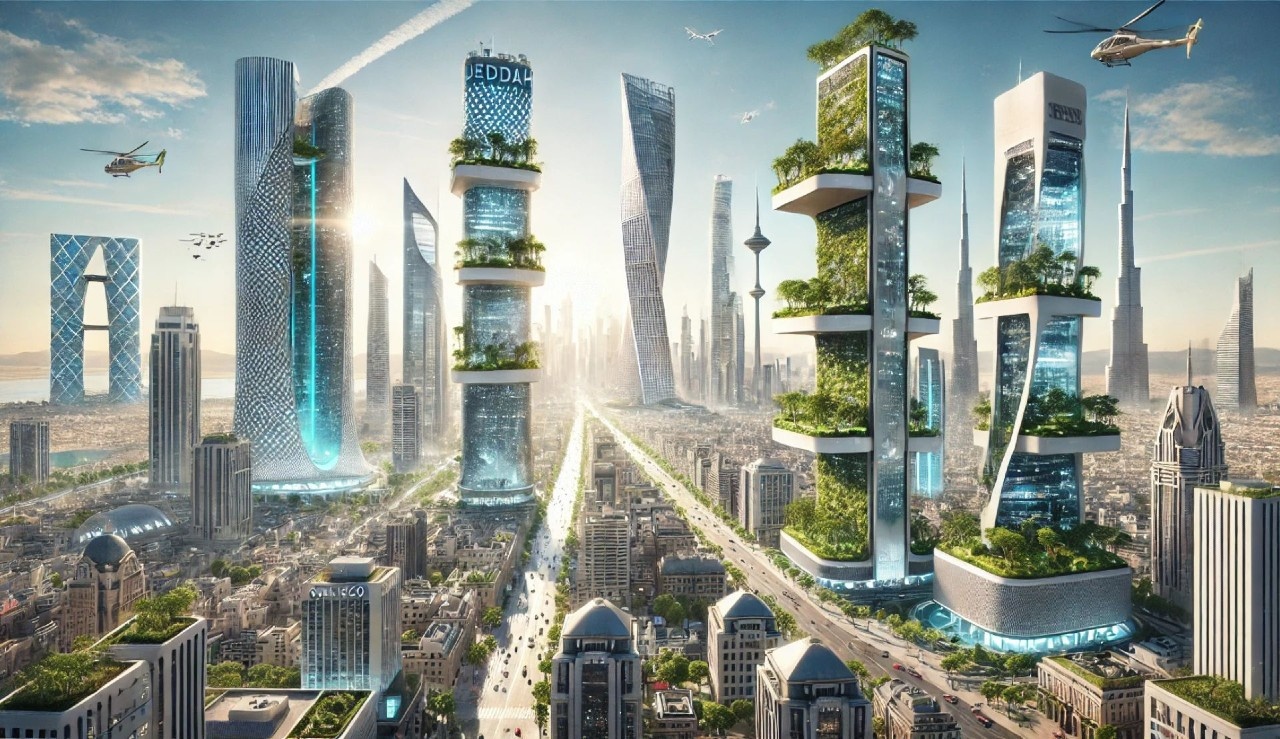
Beyond Height: Height is a superficial metric. True vertical success lies in its contribution to a thriving urban ecosystem. |
|
Beyond Density-Measuring Urban Vitality: Traditional density calculations fail to capture the intricate nuances of urban life. Perhaps we need new metrics that account for factors like social interaction, access to green space, walkability, equality, resource efficiency and more... |
|
The Vertical Neighborhood-solution or liability? Thinking about high-rises as interconnected vertical villages, fostering community through shared spaces, diverse housing options, and integrated amenities, equality, resource efficiency; 'is this a solution or a liability in the long term?' |
|
The Ecological Imperative & Beyond Zero Carbon: Sustainability isn't just about reducing emissions; it's about actively regenerating urban ecosystems. |
|
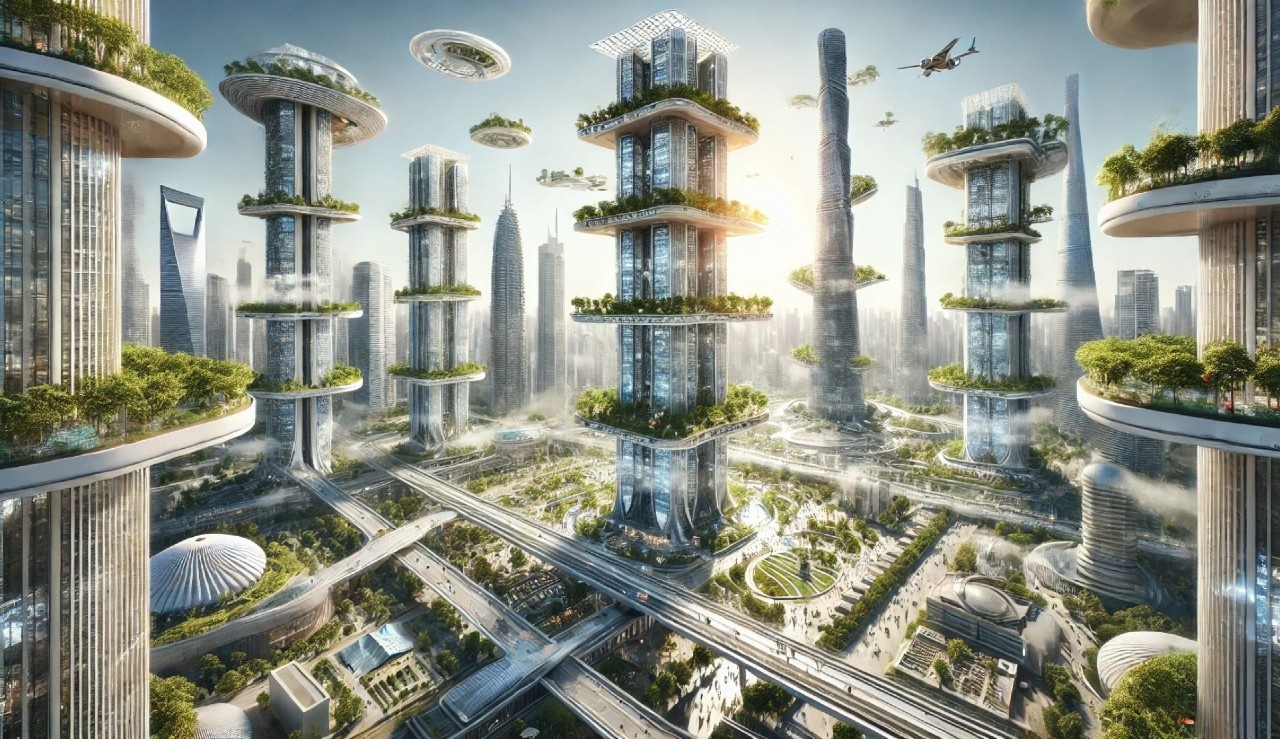
Bioregenerative Verticalism: Imagine buildings that not only minimize their environmental impact but actively contribute to ecological restoration. This means integrating living systems, such as vertical farms, algae bioreactors, and constructed wetlands, into the building fabric. |
|
Circularity in Vertical Construction: The construction industry is a major contributor to global waste. Vertical projects are a reality must embrace circular economy principles, prioritizing recycled and renewable materials, minimizing waste generation, and designing for deconstruction and reuse. |
|
Biophilic Design in Vertical Environments: Bringing nature into high-rises is a trending metric for sustainable development. It includes incorporating natural light, ventilation, green spaces, natural materials and of course, water! |
|
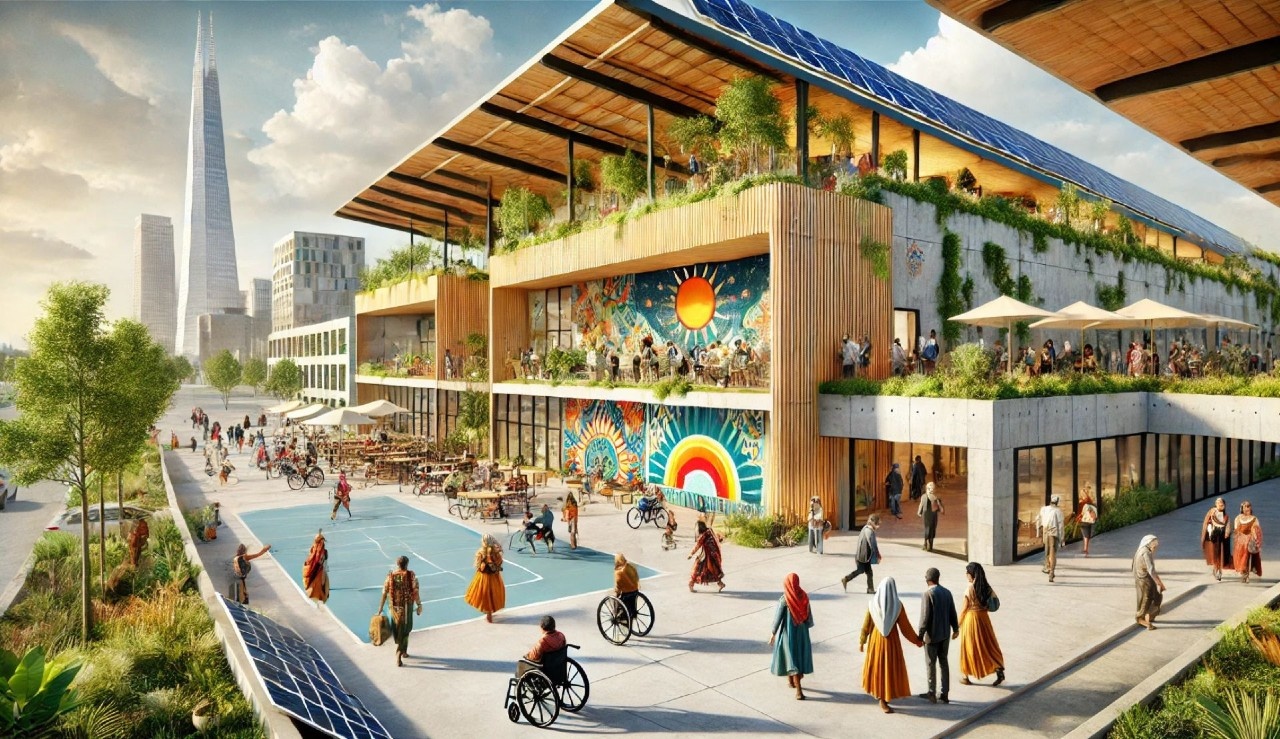
The Human Dimension-Beyond the View: The view from the top is breathtaking, but what about the experience on the inside? Does it prioritize human well-being. High-rise living can lead to social isolation. How can design foster interaction, community building, and a sense of belonging? |
|
The Future of Ascent-Beyond the Elevator Shaft: Elevators are reaching their limits. Do we need to rethink how we move vertically, more sustainable? What happens in the case of power outages? Natural Disasters? Hyperlocal Vertical Mobility: A network of smaller, faster, and more efficient vertical transportation systems that connect different levels within a building and even between adjacent buildings. Integrating Urban Air Mobility: Vertical takeoff and landing (VTOL) aircraft could revolutionize urban transportation, connecting high-rise buildings to the wider city and beyond. |
|
Verticality: Progress or Regress |
|
A Systemic Shock Waiting to Happen The higher we build, the further the fall. High structures have long shadows. A catastrophic failure, a natural disaster, a blackout - in a vertical city - wouldn't just be a localized tragedy; it would be a systemic shock, pushing already overburdened urban systems; from emergency response to mental health services; to the breaking point. Are we truly progressing, or are we building towards a potential urban catastrophe? |
|
|
| |
|
|