͏‌ ͏‌ ͏‌ ͏‌ ͏‌ ͏‌ ͏‌ ͏‌ ͏‌ ͏‌ ͏‌ ͏‌ ͏‌ ͏‌ ͏‌ ͏‌ ͏‌ ͏‌ ͏‌ ͏‌ ͏‌ ͏‌ ͏‌ ͏‌ ͏‌ ͏‌ ͏‌ ͏‌ ͏‌ ͏‌ ͏‌ ͏‌ ͏‌ ͏‌ ͏‌ ͏‌ ͏‌ ͏‌ ͏‌ ͏‌ ͏‌ ͏‌ ͏‌ ͏‌ ͏‌ ͏‌ ͏‌ ͏‌ ͏‌ ͏‌ ͏‌ ͏‌ ͏‌ ͏‌ ͏‌ ͏‌ ͏‌ ͏‌ ͏‌ ͏‌ ͏‌ ͏‌ ͏‌ ͏‌ ͏‌ ͏‌ ͏‌ ͏‌ ͏‌ ͏‌ ͏‌ ͏‌ ͏‌ ͏‌ ͏‌ ͏‌ 
Is this email not displaying correctly? View it in your browser.
Environmental Law Foundation Logo

ELF Newsletter

Autumn 2025

Fall, leaves, fall; die, flowers, away;
Lengthen night and shorten day;
Every leaf speaks bliss to me
Fluttering from the autumn tree.

(Emily Bronte)


Seasonal adjustment takes a moment to reflect on the season just passed. One of the most observable natural happenings around my way this summer and indeed now into autumn, has been an extraordinary abundance of fruit in the hedgerows, wild plums, blackberries. Now apples, conkers and acorns lie at one’s feet in prodigious numbers.


The most dramatic profusion in my part of Sussex was illustrated by the wild plum trees, or as some call them locally, cherry plums. I never knew there were so many plum trees until they were all revealed, heavily laden this year, their small, yellow and perfectly round fruit. Later the fruit to fall, festooned the roots of their mother host, they gathered in their tens of thousands. Walking the chalk bridleways, the newly yellowed fruit carpet of squelch they were conspicuous in their plenty and lamentable waste.


I gathered what I could, a daily diet of wild plums. But the rotted, fermented were left uneaten, bereft seemingly of insects, birds and other small mammals to come to the feast. A pessimistic friend speculated it was a last hurrah, acute stress felt by the trees, drought had made them profligate, as if planning for a crisis and additional fruit to propagate. That made sense. But listening to the radio, I learnt that this is a “mast year”. A mast year occurs every 5-10 years and is somewhat of a mystery. 


One of the mysteries being that all the trees fall into line with the abundant fruiting in the same year. More evidence perhaps that trees of all species communicate. Clever speculators suggest the plenty means those of the more than human communities who feast on the fruit and nuts cannot eat it all and so the fruit uneaten, becomes a good year for the next generation. Trees of course put a huge amount into this over supply of progeny; overabundance is to the detriment of that year’s tree growth. Is the knock-on effect that next year there will be no fruit. Will next year we think back and regret we didn’t gather more?


So often the human condition is to regret what’s gone before, what’s changed, the nostalgic amongst us. Shifting baselines is a way of regretting. So much to regret these days, we should have acted sooner, done things differently. Fortunately, there are those strategically placed to drive change. That’s why we at ELF are pleased to now be part of the Wildlife and Countryside Link and through that association, to have signed the Bristol Declaration on the Insect Decline Crisis. Let’s hope it is not too late. Or all we will have left will be nostalgia. Which melancholy feels about right for this time of year.


Emma Montlake,
Co-Director

Latest Case Updates

Image description
Protecting the beating heart of nature: ELF backs the Bristol Declaration

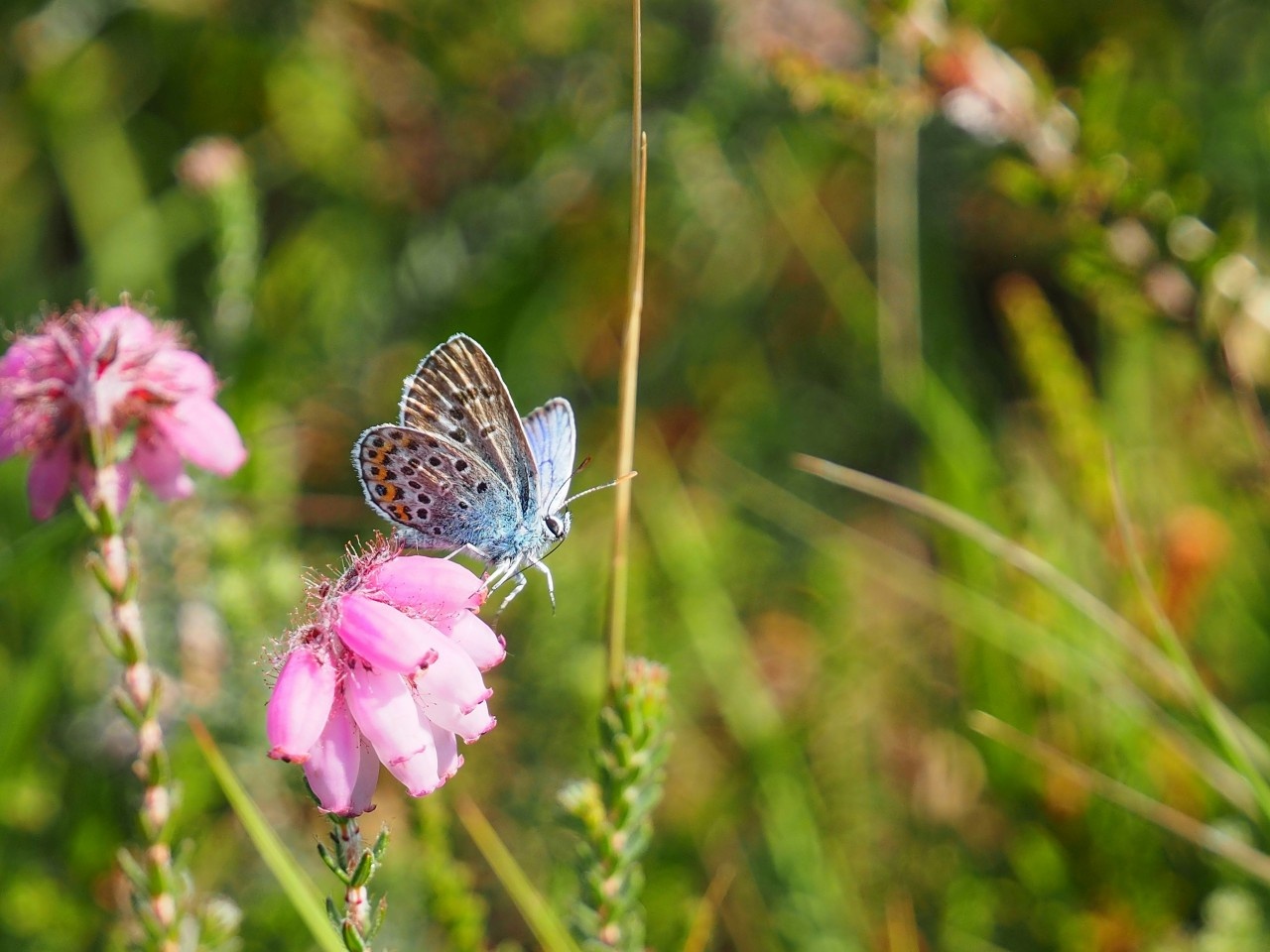
ELF is proud to announce that we are signatories of ‘The Bristol Declaration’. The declaration was proposed by Buglife, Butterfly Conservation and the Bumblebee Conservation Trust and has been supported by over 60 signatories. It is an emergency call for urgent, coordinated action to address the severe and continuing decline in the UK’s insect populations. It asks governments, businesses, land managers, and society to act on the evidence and commit to restore insect-friendly habitats at scale and reduce activities that harm insects – through conservation programmes, sustainable practices and policy change.

Read more
Image description

Loch Lomond at risk: Why we’re supporting communities against Flamingo Land’s resort plans

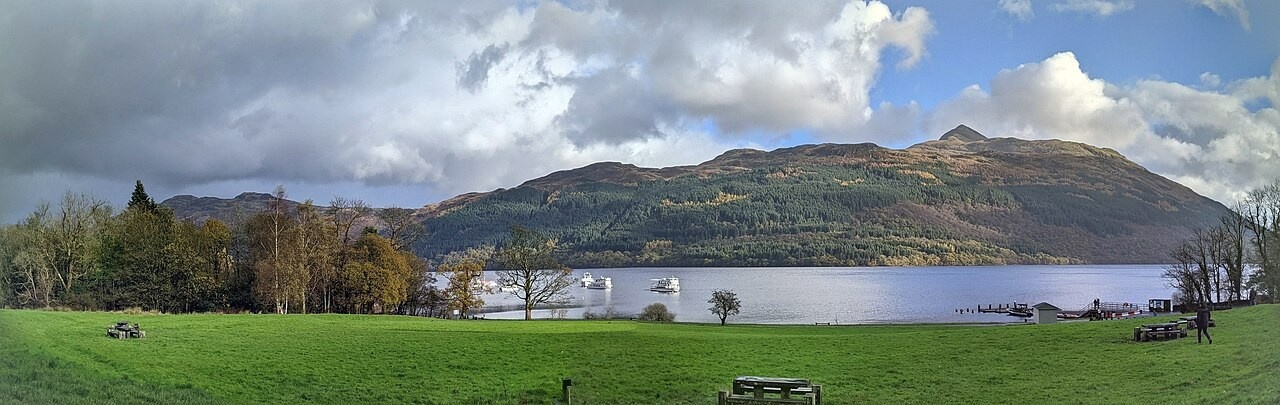
ELF received an enquiry this year from a local community group Balloch and Haldane Community Council (BHCC) who were looking for assistance in objecting to plans submitted by theme park operator Flamingo Land to build a water park and resort on the shores of Loch Lomond, one of Scotland’s most iconic landmarks. The proposal has many elements including hotels, a monorail, a hotel and restaurants. This proposal has loomed over the local community for almost 10 years in various iterations and is now set to be decided by the Scottish Ministers.

Read more
Image description

Protecting Beachy Head West: Why we challenged dredging in a marine conservation zone

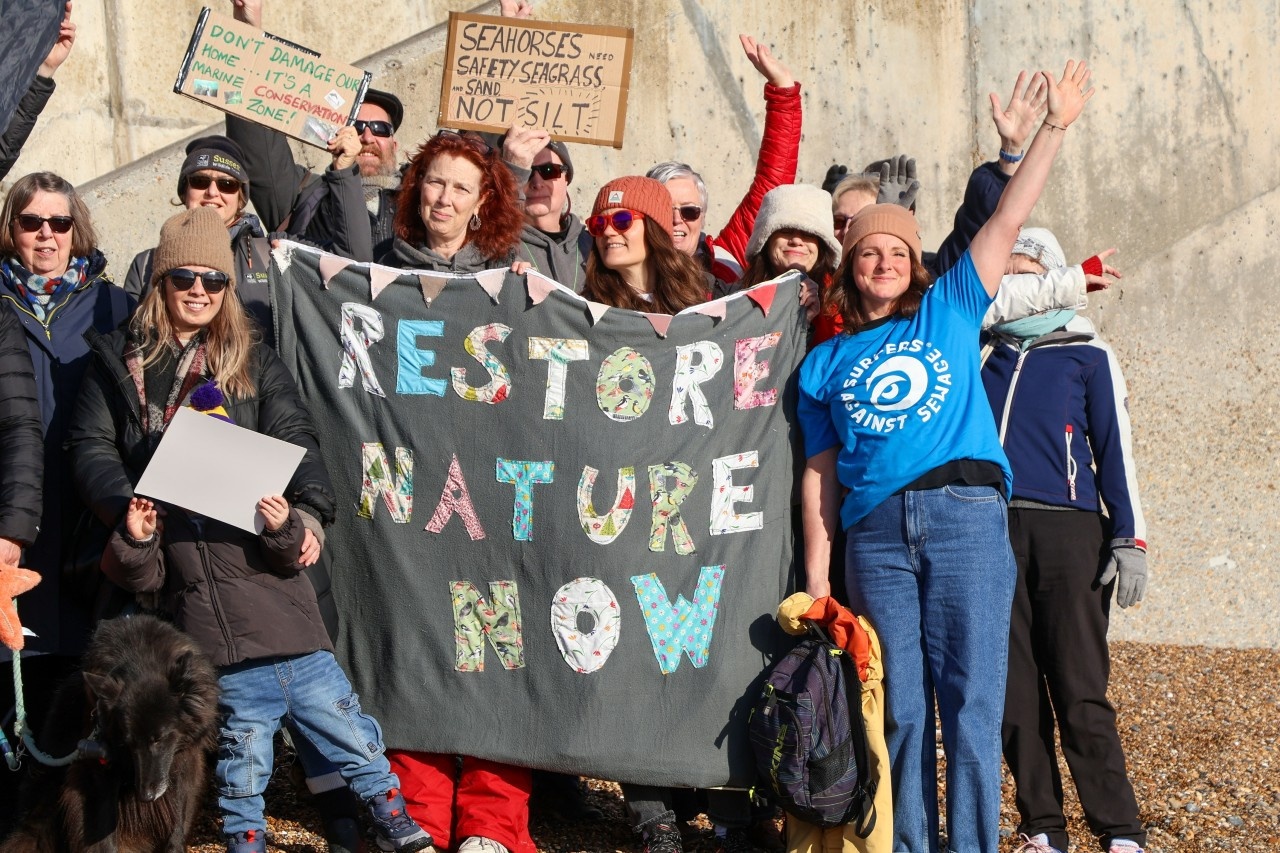
ELF was contacted by Sussex Wildlife Trust who were deeply concerned about the grant of a licence which permitted maintenance dredging of Brighton Marina and disposal of the dredged material at Rottingdean disposal site.


This activity had historically been taking place for 45 years under previous licences. However, in 2013, the disposal site was recognised for its ecological significance and designated as part of the Beachy Head West Marine Conservation Zone (MCZ) under the Marine and Coastal Access Act 2009. This designation was made (and later amended) in order to protect ten different types of habitats and their associated species and two species of conservation importance, being native oyster and short-snouted seahorse. The disposal site is also part of the Brighton to Newhaven Cliffs Site of Special Scientific Interest.


Read more
Image description
Court rules against adventure sports hub threatening Ceibwr Bay

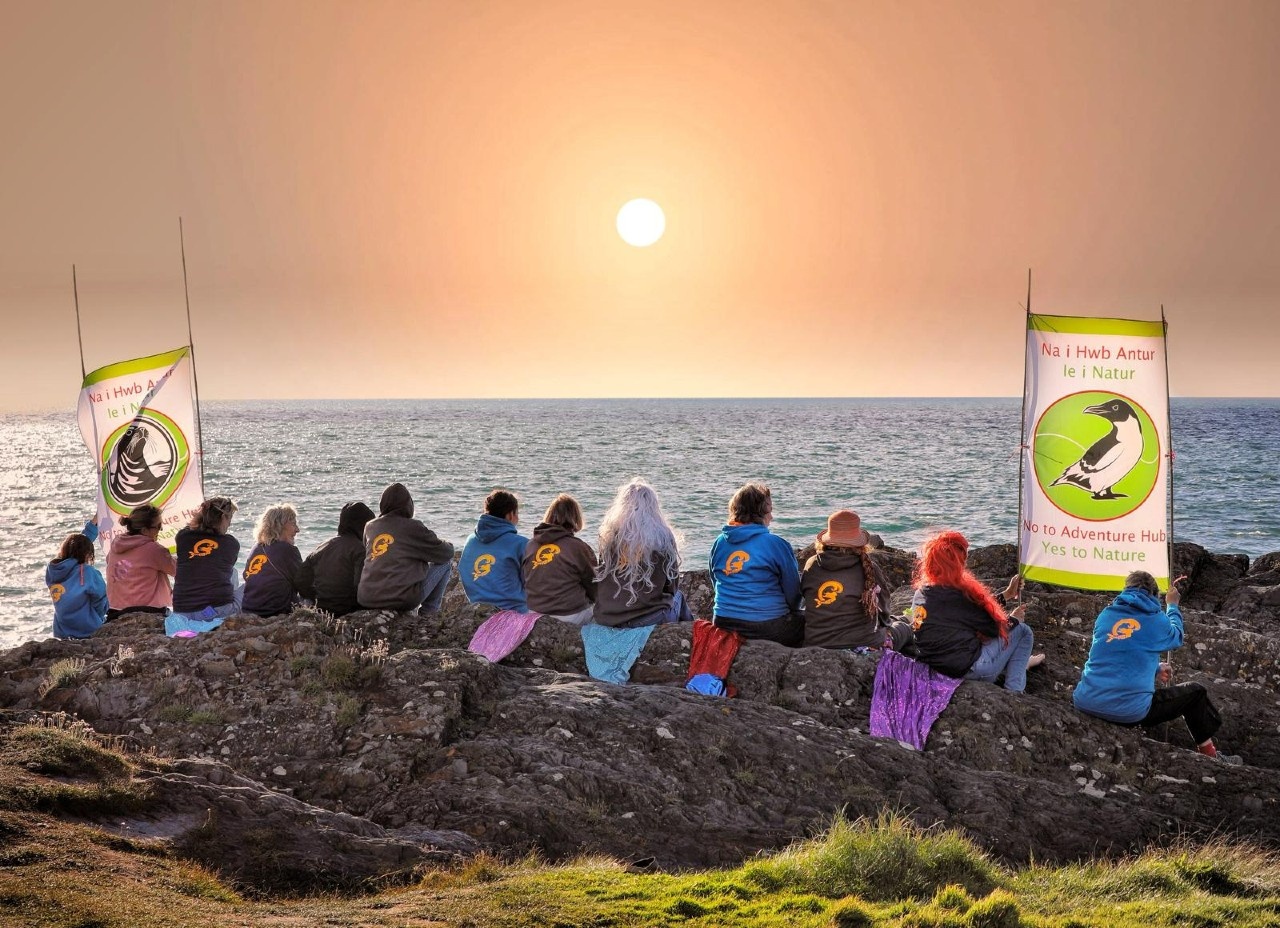
The High Court has ruled that permission for an outdoor adventure centre near Ceibwr Bay in Pembrokeshire was unlawfully granted. This case originally began with ELF and was then taken up by campaign group Wild Justice who challenged the decision to grant permission with the help of Leigh Day.

Read more

David Hall Conversation 2025: Save the date!


This year's David Hall Conversation, will focus on Interventions, as an increasingly popular tool for communities and environmental NGOs to participate in important environmental cases. Chaired by Richard Wald KC, ELF’s chair, we will hear from four brilliant legal practioners on their recent experiences of interventions and reflections. Joining our conversation will be Carol Day of Leigh Day and RSPB but most importantly ELF Vice Chair, Katie De Kauwe of FOE, David Hart KC, ELF Trustee and Kate Tandy, head of litigation and casework at the OEP. Come and join us for what will be a fascinating discussion and for drinks and nibbles afterwards.


Please save the date for the 11th December, 6-8pm at 39 Essex on Chancery Lane. Invitation and registration details to follow nearer the time.


ELF Member Spotlight

Image description

Michael is building a strong practice in planning, environmental, highways, and licensing law. Michael regularly appears in court, inquiries and hearings in his own right and as junior counsel. He is developing a particularly strong High Court practice, having acted successfully for both claimants and defendants in multiple judicial review claims.

ELF university network and Young ELF

Image description

ELF's network of universities providing legal and/or policy clinics across the UK continues to grow and we welcome the Universities of Salford and Leeds as the newest members. The new academic year sees the legal clinics gearing up to help with ELF's community enquiries. For the policy clinics, the majority of reports for the previous year's project have now been received and are being reviewed. The clinics were researching legal and policy opportunities to introduce Rights of Nature at a local government level across the UK, through the lens of particular natural entities. We are considering next steps and also finalising the research focus for this year's project. If your University is not currently a member but is interested in joining ELF's network do let us know.

Image description

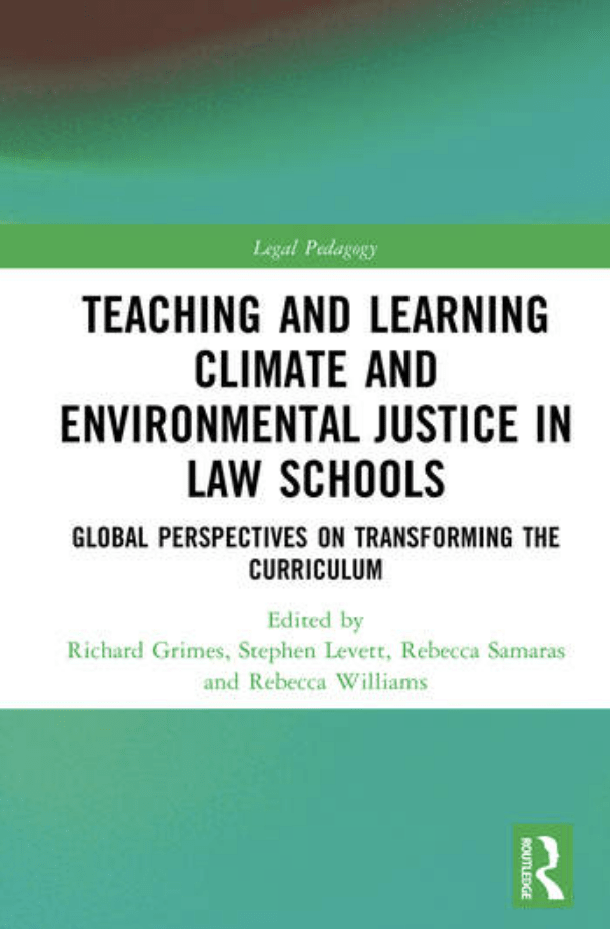
Teaching and Learning Climate and Environmental Justice in Law Schools

Arguing for the critical importance of the topic within law school curricula (whether for academic credit purposes or not), this novel and exceptionally timely book explores a fundamental question: should law schools teach about climate and environmental justice?


Despite the urgency of climate and environmental protection issues, many law schools present the topic as optional for students or don’t engage at all. Arguing for the inclusion of climate and environmental justice at the earliest possible opportunity, this book presents study models in a variety of contexts and jurisdictions to support research into curriculum development and design.


ELF's Co-Director, Tom Brenan, contributed to this book's chapter on "Establishing Environmental Legal and Policy Clinics in Partnership with Universities".


Get a copy

Environmental Law Foundation

[email protected]

The ELF Telephone Helpline 0330 123 0169 is kindly supported by the Client Services Team at Irwin Mitchell Solicitors

Copyright © 2025 Environmental Law Foundation, All rights reserved


Environmental Law Foundation Logo
If you would like to unsubscribe, please click here.