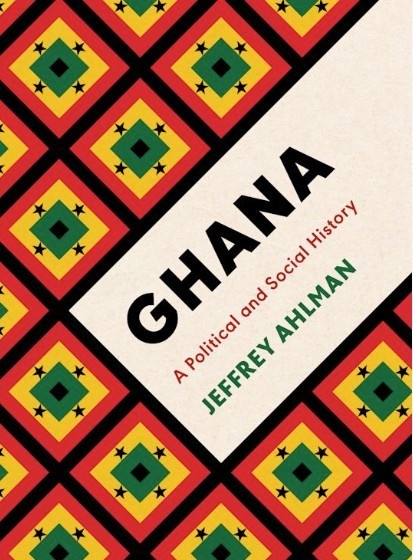
The book offers a valuable exploration of Ghana's socio-political evolution, covering the pre-colonial, colonial, independence, and post-colonial eras. The author presents the enduring debates around national identity, capturing the complex interplay between major political parties such as the Convention People's Party (CPP) and the New Patriotic Party (NPP). Central to the narrative is Ghana’s role as a catalyst for African independence movements, portraying it as a beacon of anti-imperialism and Pan-African unity since 1957.
One of the book’s strong points is its critical analysis of Ghana's quest for political and economic sovereignty, emphasizing the ongoing challenges in circumventing Western economic influence. The book argues that despite efforts, Ghana has struggled to achieve autonomous economic development without reliance on foreign aid and creditors, discussing currency devaluation and expulsion of foreign nationals, which deepened economic hardships.
Finally, Ahlman’s coverage of the transition to civilian rule under Jerry John Rawlings in 1992 and the establishment of Ghana’s Fourth Republic provides rich insight into the dynamics of electoral politics and stability. The contentious elections marked by accusations of fraud reveal the persistent challenges in democratic consolidation, even as Ghana has maintained political stability over decades.