͏‌ ͏‌ ͏‌ ͏‌ ͏‌ ͏‌ ͏‌ ͏‌ ͏‌ ͏‌ ͏‌ ͏‌ ͏‌ ͏‌ ͏‌ ͏‌ ͏‌ ͏‌ ͏‌ ͏‌ ͏‌ ͏‌ ͏‌ ͏‌ ͏‌ ͏‌ ͏‌ ͏‌ ͏‌ ͏‌ ͏‌ ͏‌ ͏‌ ͏‌ ͏‌ ͏‌ ͏‌ ͏‌ ͏‌ ͏‌ ͏‌ ͏‌ ͏‌ ͏‌ ͏‌ ͏‌ ͏‌ ͏‌ ͏‌ ͏‌ ͏‌ ͏‌ ͏‌ ͏‌ ͏‌ ͏‌ ͏‌ ͏‌ ͏‌ ͏‌ ͏‌ ͏‌ ͏‌ ͏‌ ͏‌ ͏‌ ͏‌ ͏‌ ͏‌ ͏‌ ͏‌ ͏‌ ͏‌ ͏‌ ͏‌ ͏‌ 
Is this email not displaying correctly? View it in your browser.
Environmental Law Foundation Logo

ELF Newsletter

Winter 2025

The woods are lovely dark and deep

But I have promises to keep

And miles to go before I sleep

And miles to go before I sleep.


So ends Robert Frost’s wonderful poem, ‘Stopping by Woods on a Snowy Evening’. A quiet and introspective poem, written at the winter solstice, the shortest evening of the year.


As we too at ELF are reflective this time of year, we think on the promises made to the communities we work with, to do what we can to assist them in their efforts to protect the nature they love, more often, with miles to go. It’s been a busy year with some good wins for nature and their communities, human and non-human. More on that.


It’s been a year of two halves for ELF. The first half of the year getting to know our new CEO, Rachel Youngman, who as many of you know, sadly died in July after a short illness. To say Rachel’s death took our breath away, is an understatement. The second half of the year, we got on without Rachel. But time doesn’t stand still and we have now recruited a new CEO. More on that exciting news next year.


Likewise, the work at ELF has been in two halves. At the national level things look bleak. With the Planning and Infrastructure Bill set to become law, despite serious campaigning by nature groups, we are going to lose the certainty of rigorous nature assessment for our most important and protected nature sites. Judicial review is under attack, as we see stages removed from some forms of national planning. Aarhus costs protection and Aarhus also under threat.


In my other ELF world, rights for rivers and nature is more hopeful. The work for the Ouse River, advising a local group on the rights for the river. The Ouse, my local river running through to the sea, having its rights and that of the catchment recognised. Our local Council in February this year, declaring that they would champion and support the principles of the Charter. Now a growing wellspring of similar motions being passed by local authorities, ELF in the thick of it, advising local councillors taking up the baton of river rights motions. We have also advised recently on rights for an ancient yew tree in Crowhurst, the Council having now passed a motion citing rights for the tree. Where one leads, others will surely follow.


The passion with which I bear witness to this new way of thinking our relationship with the natural world does inspire hope. Despite the gloomy national picture. In the wise words of Robert Macfarlane, “despair is a luxury”. Truly grassroots, the rights of nature movement, seems to bypass the disunity of the national landscape. May it continue to do so into the years beyond.


Emma Montlake
Co-Director, ELF
Image description

2025 was a pivotal year for environmental justice — and ELF’s legal support helped secure several important wins and advance community-led action across the UK. Highlights include:


🛡️ Sussex Wildlife Trust Victory

ELF challenged the Marine Management Organisation (MMO) on behalf of the Sussex Wildlife Trust over its decision to authorise dumping dredged sediment in a Marine Conservation Zone. After our legal challenge, the MMO conceded it had acted unlawfully — and the decision has now been quashed. The site is home to protected habitats such as short‑snouted seahorses and blue mussel beds.


🌿 Ongoing Support for Minster Marshes

We continued assisting local campaigners opposing the Sea Link infrastructure project that threatens this ecological “superhighway.” With expert legal support, the group has been able to challenge the way the project considers this vital wildlife habitat.


🐄 Progress on Factory Farming Legal Challenges

2025 saw a marked increase in legal work around intensive livestock developments. Encouragingly:

  • A large “megafarm” in West Norfolk was refused planning permission — the first time climate impacts were decisive in an ILU refusal.
  • Multiple planning decisions were quashed after ELF and partners highlighted legal errors, including failures to assess environmental impacts properly under EIA law.
  • Ongoing work on cases like Cherry Tree Farm continues to push for better accountability.

While there’s still much to do to address environmental harm from industrial agriculture and other threats, the legal tide is shifting, with courts and decision‑makers increasingly recognising environmental impacts as legally material.


Read our full 2025 cases recap

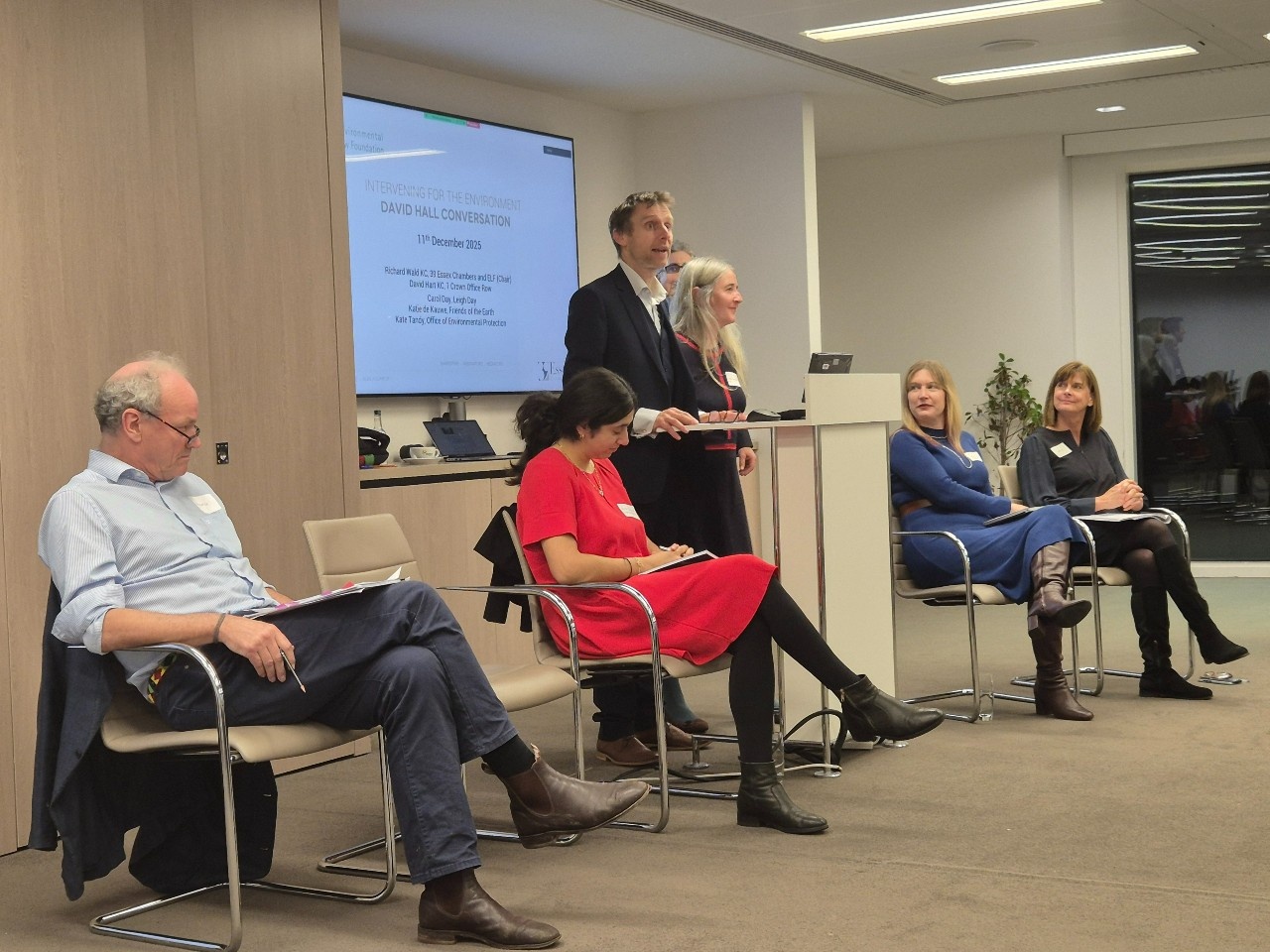
David Hall Conversation 2025: Some reflections

Image description

Why intervening matters: law, justice and communities on the frontlines

Last week’s Intervening for the Environment event was a timely reminder of why legal intervention matters, not as an abstract procedural tool, but as a powerful mechanism for environmental justice and community protection.

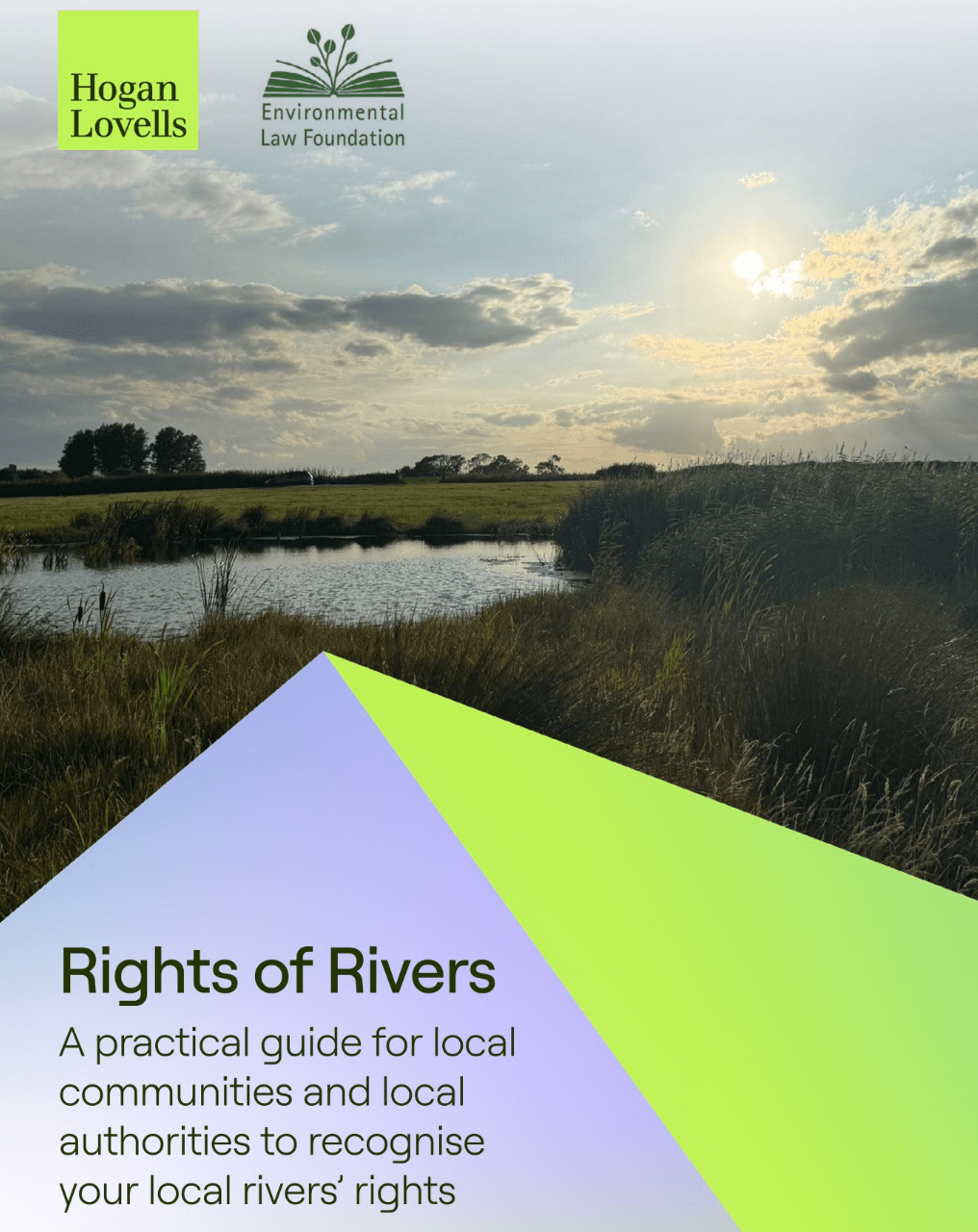
Rights of Rivers Guide

Image description

We’re pleased to share our new guide on the rights of rivers — an emerging legal approach that recognises rivers as living entities with rights, rather than resources to be exploited. Around the world, communities are using rights-of-nature frameworks to protect waterways from pollution, over-extraction and destructive development, often where traditional environmental regulation has failed.


Our guide explains what the rights of rivers are, how they are being applied in different legal contexts, and why they matter for environmental justice — particularly for communities who depend on healthy rivers for their livelihoods, culture and wellbeing. It’s a practical resource for campaigners, communities and practitioners interested in using the law to better protect nature.

Download the full guide

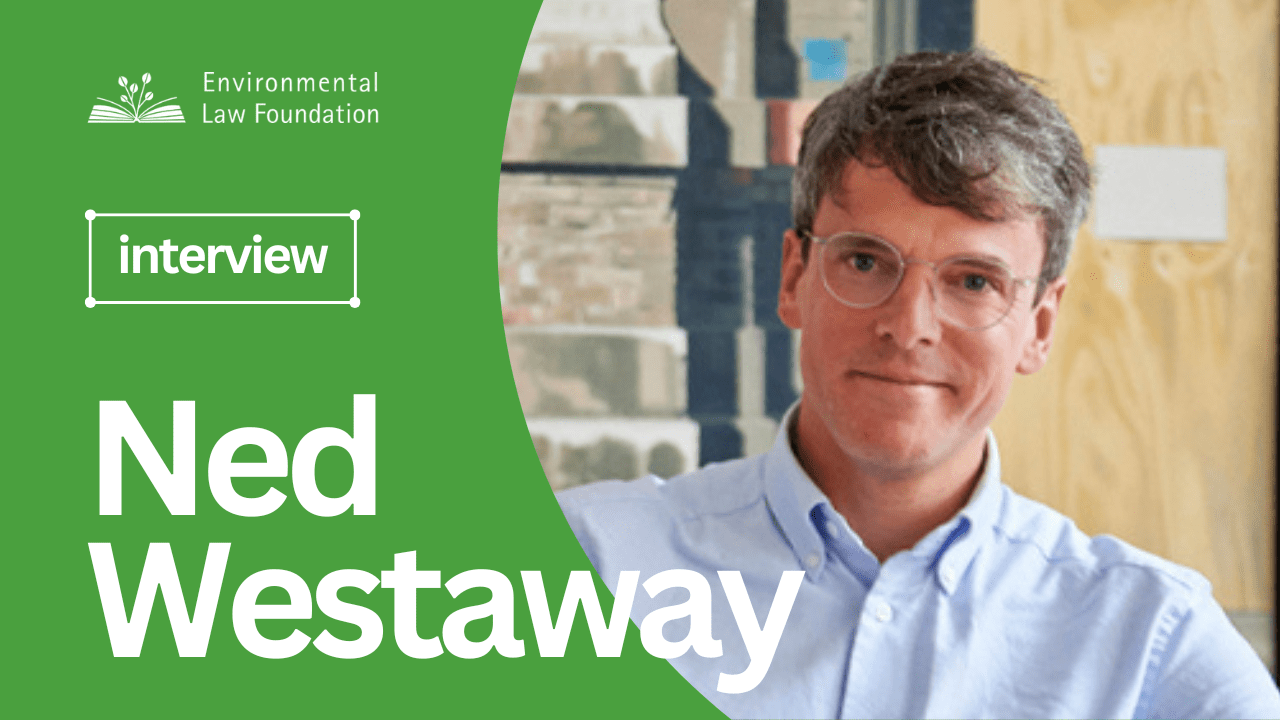
ELF Member Spotlight

Image description

Ned Westaway is a barrister specialising in environmental and planning law at FTB Chambers in London. He is on the Attorney General’s A Panel of counsel, is a former chair of the UK Environmental Law Association and is an Honorary Associate Professor at UCL.

ELF university network and Young ELF

Image description

ELF's university network of legal and policy clinics continues to expand and we are now working with around 20 universities across the UK. We have three policy clinic research projects this academic year. One is looking at the implications of the Government’s plans for devolution for Rights of Nature at a local level in England. This involves 12 universities looking at different local authority areas. We also have a group of five London universities working together (cross-university for the first time) looking in more detail at options for Rights of the River Thames. This is developing some options identified in research reports from two of the universities last year and we are exploring the potential to take them forward. In addition, another university will be considering planning and data centres which are becoming increasingly prevalent. Overall, there are 18 universities involved in our policy clinic research this year.


We also held a joint event in Falmer with the University of Sussex on 3rd December as part of our pilot Rights of Nature community hubs project. Students at the University’s Environmental Justice Law Clinic have been working on a Rights of Trees, Woodlands and Forests toolkit for use by lawyers, NGOs, councils and communities. The event took the form of a workshop with attendees from the community, councils and NGOs who were invited to give feedback on the draft. The aim is to launch the toolkit next year.

Children's Book You Might Like!

Image description
Image description

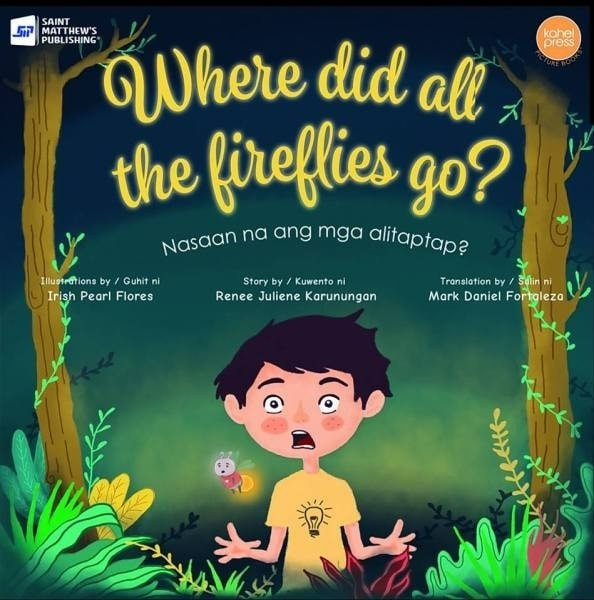
Where Did All The Fireflies Go?

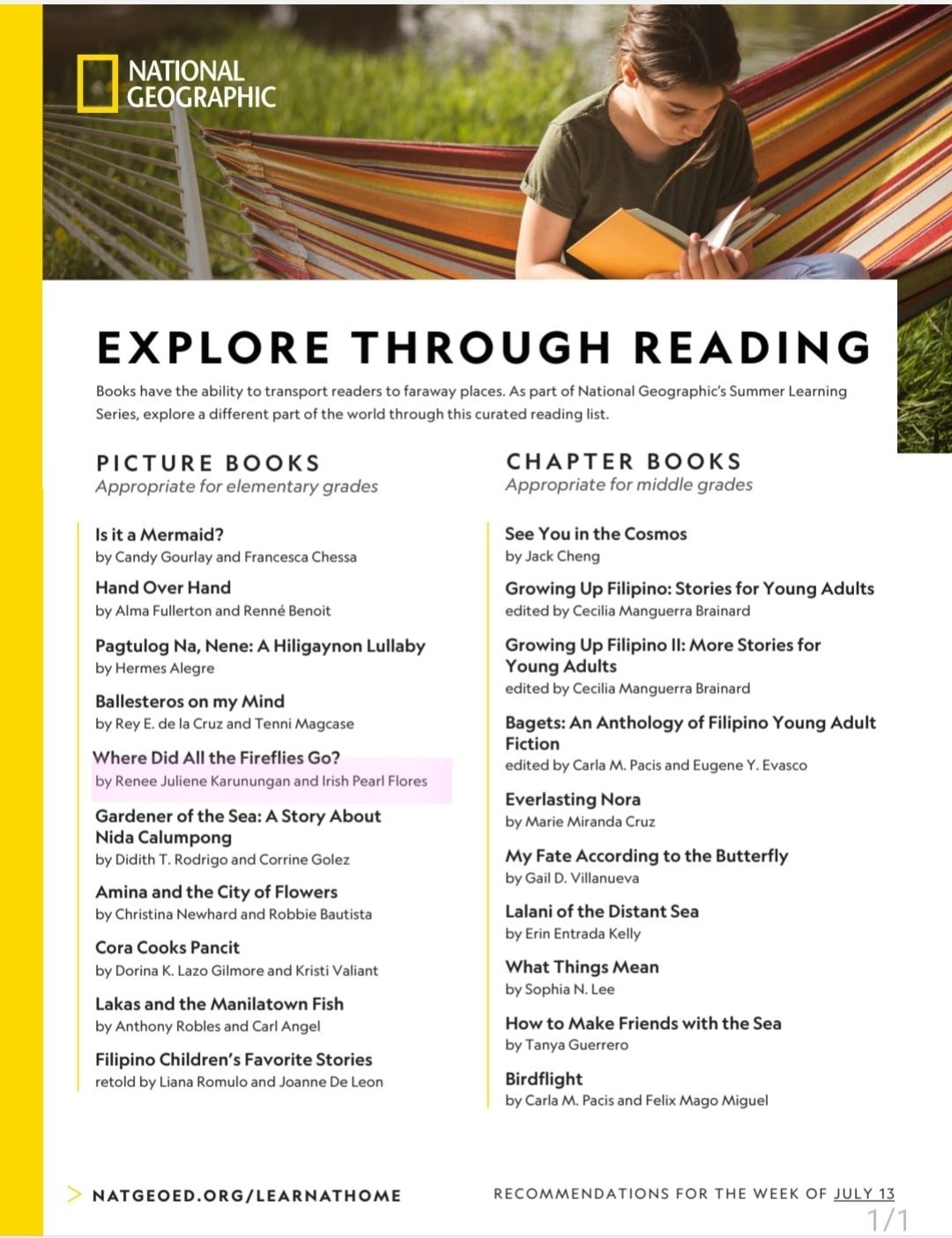
We’re proud to share that Where Did All the Fireflies Go?, a children’s book by Renee Karunungan, ELF’s Communications Officer, has been featured in National Geographic’s Summer Learning Series reading list.


The book is a gentle, beautifully illustrated story that invites young readers to reflect on environmental loss, curiosity and care for the natural world. Through the disappearing glow of fireflies, it opens up conversations about habitat loss, biodiversity and our relationship with nature — themes that sit at the heart of environmental justice.


National Geographic included Where Did All the Fireflies Go? in its curated list of picture books for elementary readers, highlighting stories that help children explore the world through reading. The recognition reflects the growing importance of storytelling as a tool for environmental awareness — especially stories that speak to care, responsibility and hope from an early age.


At ELF, we believe that protecting the environment also means nurturing understanding across generations. Renee’s work reminds us that environmental justice begins not only in courtrooms and policies, but in the stories we tell — and who gets to be part of them.

Environmental Law Foundation

[email protected]

The ELF Telephone Helpline 0330 123 0169 is kindly supported by the Client Services Team at Irwin Mitchell Solicitors

Copyright © 2025 Environmental Law Foundation, All rights reserved


Environmental Law Foundation Logo
If you would like to unsubscribe, please click here.