A rundown of what happened in January
͏ ͏ ͏ ͏ ͏ ͏ ͏ ͏ ͏ ͏ ͏ ͏ ͏ ͏ ͏ ͏ ͏ ͏ ͏ ͏ ͏ ͏ ͏ ͏ ͏ ͏ ͏ ͏ ͏ ͏ ͏ ͏ ͏ ͏ ͏ ͏ ͏ ͏ ͏ ͏ ͏ ͏ ͏ ͏ ͏ ͏ ͏ ͏ ͏ ͏ ͏ ͏ ͏ ͏ ͏ ͏ ͏ ͏ ͏ ͏ ͏ ͏ ͏ ͏ ͏ ͏ ͏ ͏ ͏ ͏ ͏ ͏ ͏ ͏ ͏ ͏
| Hey everyone! Happy January! Or, as my family—in which three of the five Joyners were born in January—calls it, happy Joynuary!
If any of y'all are in St. Louis, I'll be there next month for the SIGCSE conference. Hope to see some of y'all while I'm in town! |
|
|
| |
|
|
| From the Atlanta Journal-Constitution:
"AI is on the rise. Georgia college students say their anxiety is too." |
|
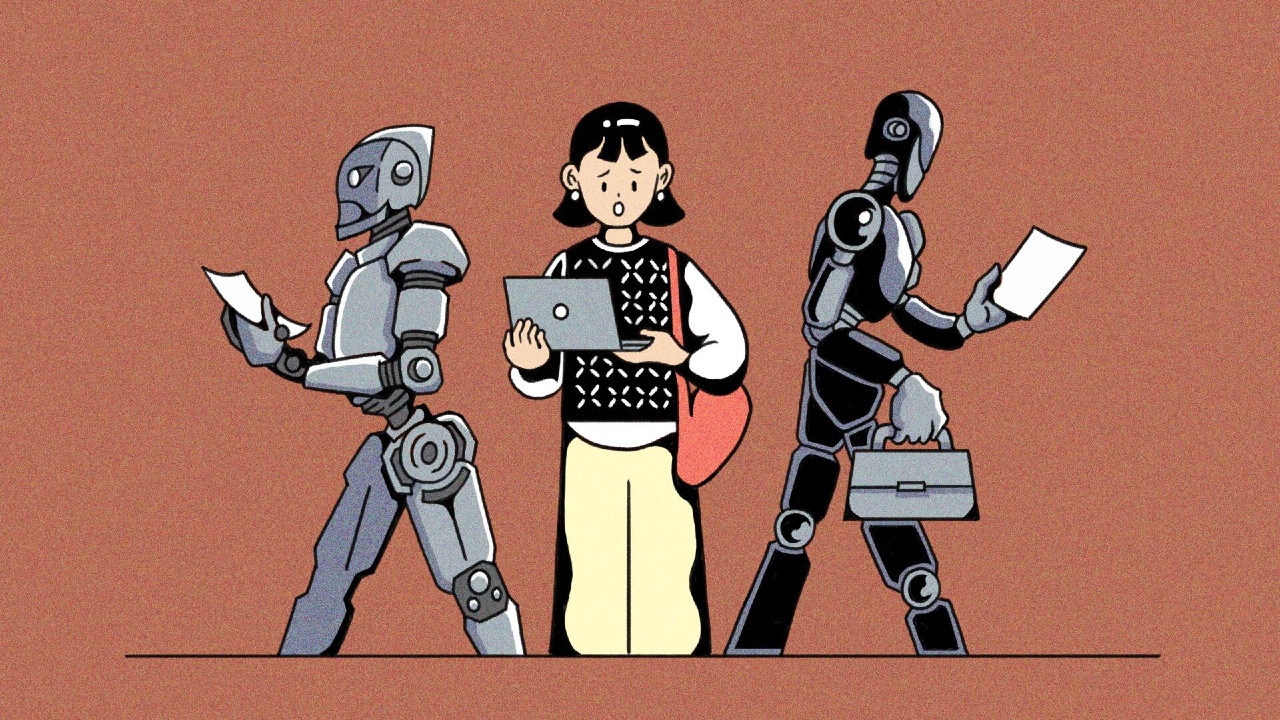
I had the pleasure of speaking with the Atlanta Journal-Constitution last month about the way students are viewing the rise of artificial intelligence as both a tool to help them and a threat to their future employment opportunities. The article came out this month, which summed up some of my thoughts on the topic:
In the end, like other previous technologies, AI will lead to more jobs and more opportunity, predicts Georgia Tech professor David Joyner. His areas of research include AI in education.
“Technology historically has always created more jobs than it’s replaced,” said Joyner, who sometimes finds himself trying to reassure students. “Look at all the jobs technology has displaced in the past, and yet the fields that these technologies were in continued to grow, and new jobs continued to come out on top of them.” |
|
|
| |
|
|
| From Class Central:
The Babel fish is almost here—is education ready? |
|
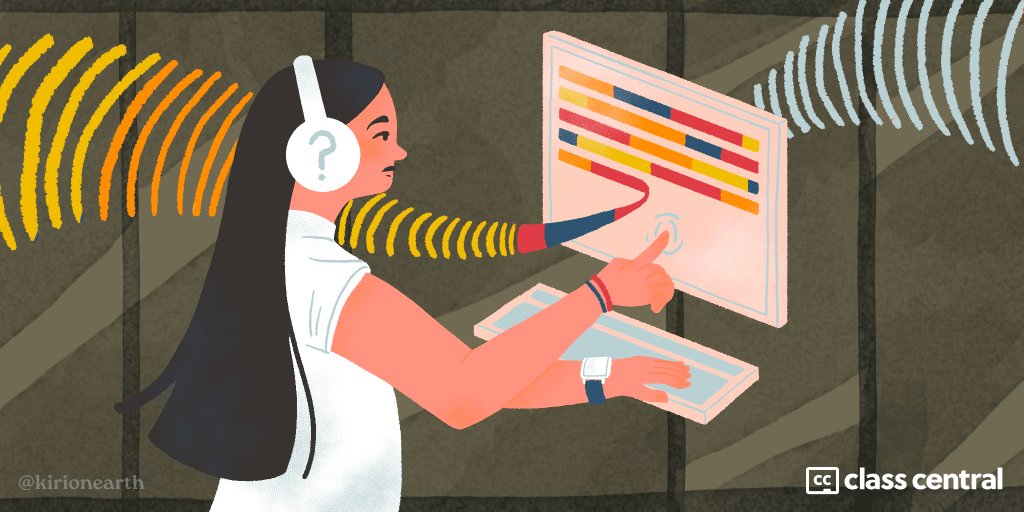
My article at Class Central this month concerns the amazing rise of translation tools and what they mean for higher education. While historically localizing content to new areas required a massive undertaking by the course creators, we're nearing a point where anyone can self-localize their learning experience. That's great for access, but what does it mean for what our credits actually represent in the marketplace? For more, check out the full article. |
|
|
| |
|
|
| From Times Higher Education:
From Model Collapse to Citation Collapse: Risks of Over-Reliance on AI in the Academy |
|
In an article for Times Higher Education, I drew a parallel between model collapse—the phenomenon where AI models' grounding in reality collapses when recursively trained on AI-generated data—and a trend in citations in academic publishing. AI is increasingly being used as a tool in literature reviews, and AI has a preference for articles that are already well-cited. But this is a self-reinforcing loop: as AI recommends already well-cited articles, those articles become even more well-cited, making them even more likely to be selected in the future. My fear is that we as academic risk over-canonizing the state of the art of the research community in 2022 when these models first emerged. For more on this phenomenon—which I dub citation collapse—read the full article. |
|
|
| |
|
|
| Book of the Month:
How to Have a Good Day by Caroline Webb |
|
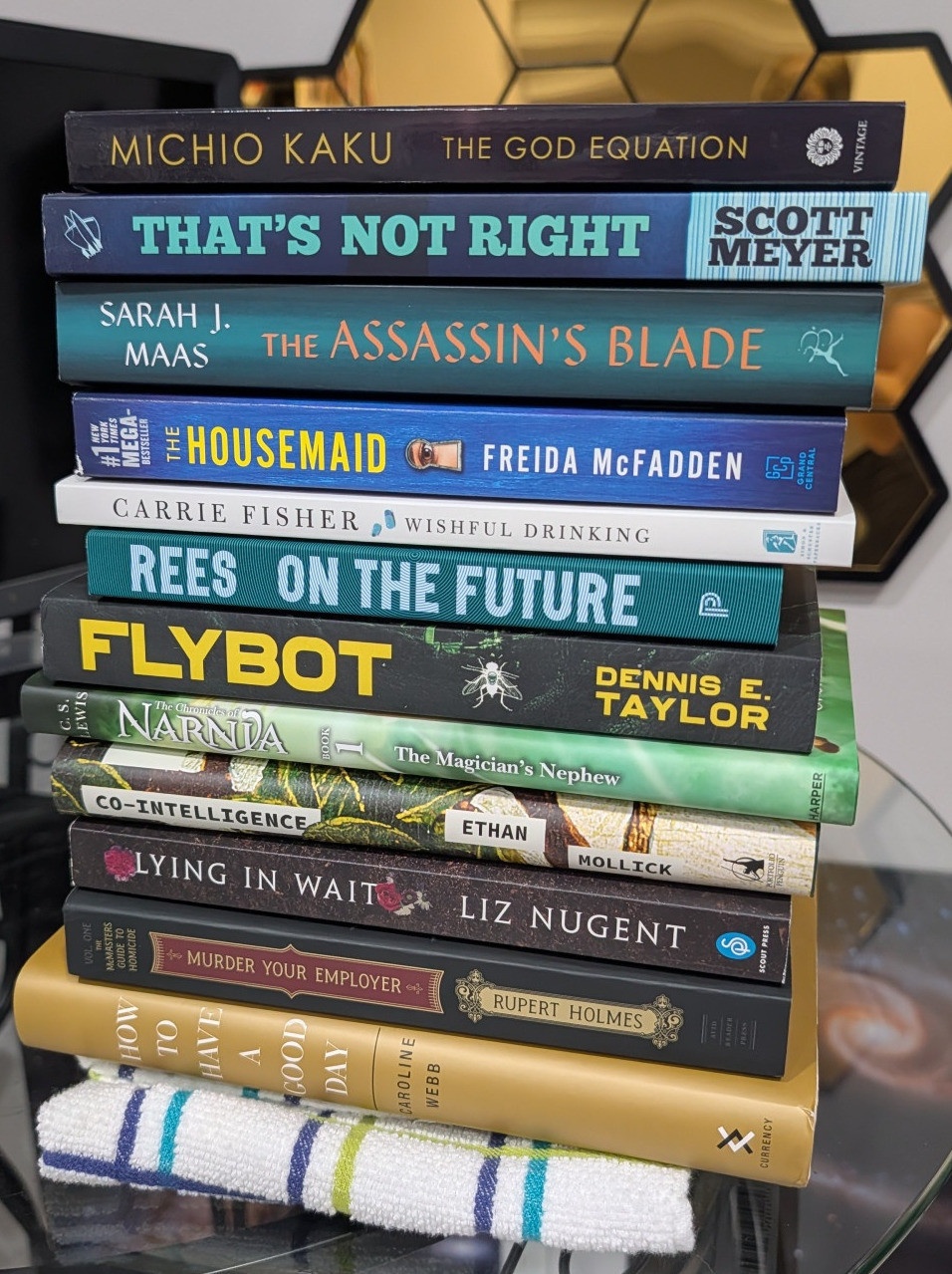
I read twelve books during January—I always start the year with shorter books to reach my reading goal, then end the year with longer books on my to-be-read list. My favorite of the month without a doubt was How to Have a Good Day by Caroline Webb. It took a bunch of tricks I've inadvertently stumbled upon myself over the years and actually explained some of the behavioral science behind them. I've especially noticed a measurable difference in my productivity when I (a) separated out the cognitive tasks of organizing and responding to incoming email, and (b) time-boxed responding to email by time sensitivity (messages needing a reply today, this week, and this month). It's been a tremendous help to feel more empowered to devote time to longer-term projects knowing there are scheduled times for routine work.
Among the other books I read, The God Equation by Michio Kaku was fantastic I'd argue it's the best explanation I've read so far for string theory and M-theory. In related news, That's Not Right by Scott Meyer contained one of the most salient explanations of relativity theory and time dilation I've ever read, as well as being quite funny on its own. On the Future by Martin Rees gave me some much-needed optimism for the future, like a more future-oriented Humankind and Factfulness. I also thoroughly enjoyed Flybot by Dennis E. Taylor, Murder Your Employer by Rupert Holmes, Wishful Drinking by Carrie Fisher, The Housemaid by Freida McFadden, and The Assassin's Blade by Sarah J. Maas. I also read The Magician's Nephew by C. S. Lewis with my kids. And Co-Intelligence by Ethan Mollick is pretty good for anyone without any real familiarity with AI yet, although it probably doesn't contain any information at this point that most people using it haven't gleaned on their own by now. |
|
Full Disclosure: As with on my blog, I use Amazon referral links in this section. That's mostly just a lightweight way to track and see if anyone's even clicking through. If you buy something through one of these links, I may get a bit of money back and achieve my dream of one day being able to buy the nicer set of kitchen scissors that Amazon sells instead of the bargain variety. |
|
|
| |
|
|