͏‌ ͏‌ ͏‌ ͏‌ ͏‌ ͏‌ ͏‌ ͏‌ ͏‌ ͏‌ ͏‌ ͏‌ ͏‌ ͏‌ ͏‌ ͏‌ ͏‌ ͏‌ ͏‌ ͏‌ ͏‌ ͏‌ ͏‌ ͏‌ ͏‌ ͏‌ ͏‌ ͏‌ ͏‌ ͏‌ ͏‌ ͏‌ ͏‌ ͏‌ ͏‌ ͏‌ ͏‌ ͏‌ ͏‌ ͏‌ ͏‌ ͏‌ ͏‌ ͏‌ ͏‌ ͏‌ ͏‌ ͏‌ ͏‌ ͏‌ ͏‌ ͏‌ ͏‌ ͏‌ ͏‌ ͏‌ ͏‌ ͏‌ ͏‌ ͏‌ ͏‌ ͏‌ ͏‌ ͏‌ ͏‌ ͏‌ ͏‌ ͏‌ ͏‌ ͏‌ ͏‌ ͏‌ ͏‌ ͏‌ ͏‌ ͏‌ 
Is this email not displaying correctly? View it in your browser.
Image description
Image of David Joyner

Hey everyone! Happy February! Here's a rundown of what I've put out this month:

  • An article on ClassCentral.com.

  • Two publications at SIGCSE.

  • And of course, my top book of the month.

Let's get to it!


Image description

From Class Central:
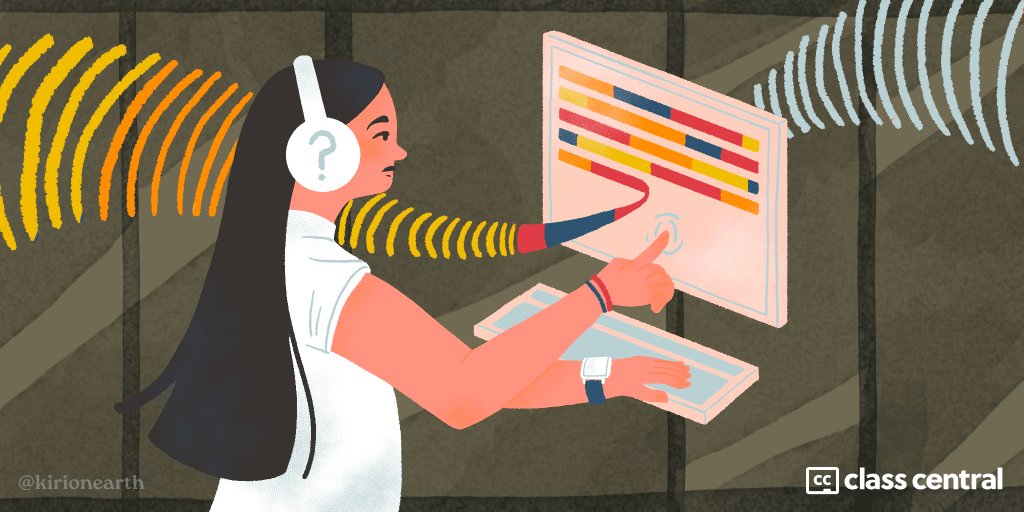
Education’s Hidden Value: What We Lose When AI Individualizes Learning

For my article this month for Class Central, I took some time to comment about something that has long bothered me about the push for more individualized learning—whether that's as simple as a self-paced schedule for a MOOC or as complex as AI-driven adaptation of course content and assessment to individual learner needs.


And it's something that I think has only gotten more important with the rise of AI: not only did reliance on hyper-individualization miss out on something key to education, but it now misses out on the very thing that differentiates human learners from machine learners. So much of learning is social, both by necessity—that's how our species developed—and by design—the learning goals, whether implicit or explicit, include the ability to engage with others about the content.


I think in this new era, this is in fact one of the defining value-adds of formal education: it's a place where people get together with a common goal (learn some skills or knowledge), but with the add-on effect that they're going to meet and network with and befriend others with that same common goal. The content and credential are the guaranteed pay-off that motivate their enrollment and participation, but the networks and relationships they build are the real value they gain.


Or, in other words: Maybe the real microcredential was the friends we made along the way.
Read at ClassCentral.com

Two Papers Published at SIGCSE 2026

We published two papers at this year's SIGCSE, (the preeminent conference on computer science education). In the first article, "Exploring Transitions of Graduates From an Online Master's in Computer Science Program to Doctoral Programs", we looked at how students use our online MSCS program to propel themselves on to doctoral studies.

Read at the ACM Digital Library

In our second SIGCSE article, "Examining Discourse in a Large Online Education Program: A Machine-in-the-Loop Approach", we looked at how students post about their online MSCS studies to public social media platforms. This study both looked at the content of these posts and at a way of coding social media posts for research at scale with a machine in the loop.

Read at the ACM Digital Library
Image description

Book of the Month:
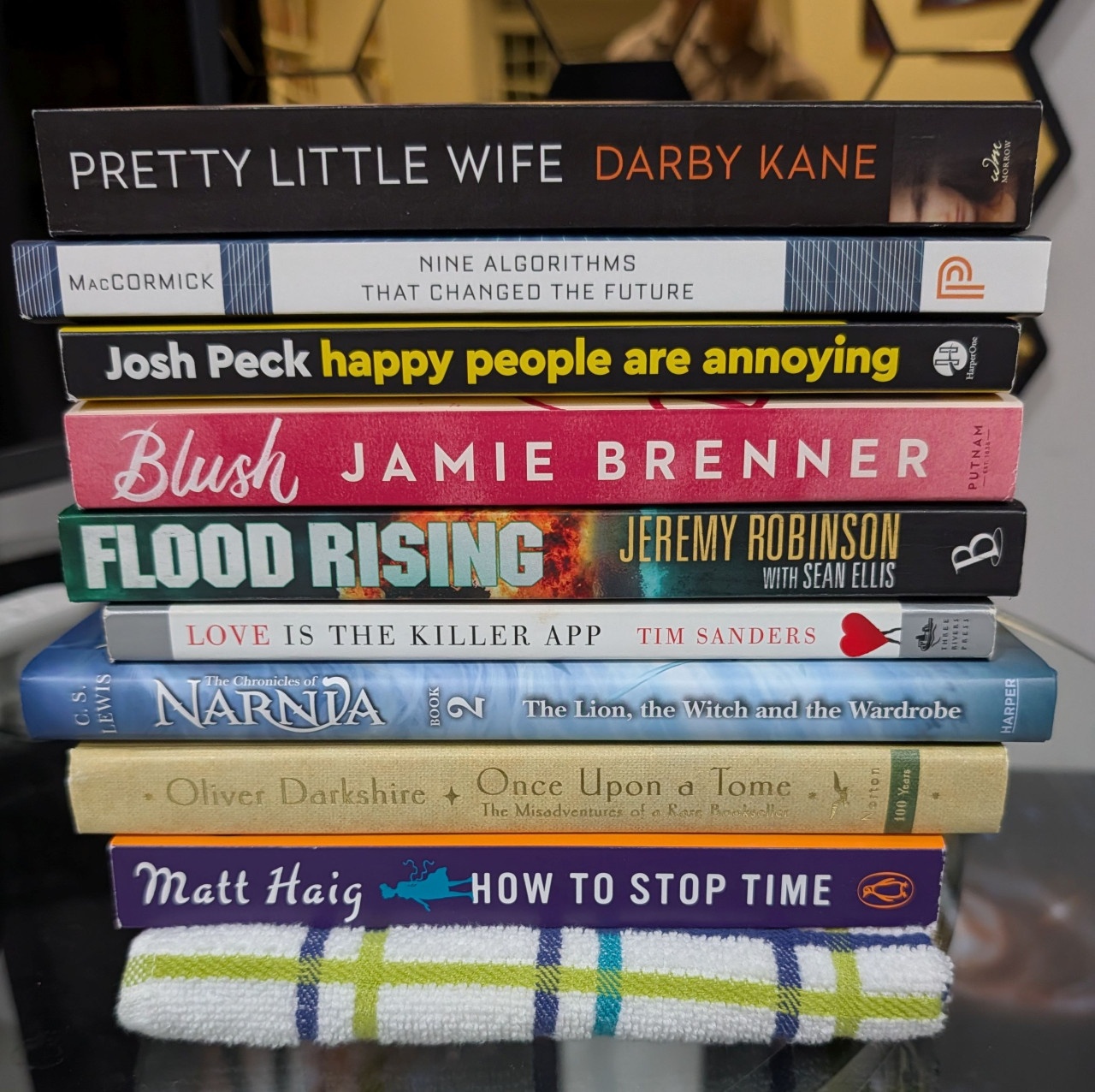
Nine Algorithms that Changed the Future by John MacCormick

I enjoyed a lot of the books I read during February, but my top one was Nine Algorithms that Changed the Future: The Ingenious Ideas that Drive Today's Computers by John MacCormick. A lot of the topics in the book I already knew, but I think it serves as a fantastic introduction to algorithmic thinking for audiences newer to computing; it actually would make a great textbook for an introductory CS class, and there are several chapters I might add as lessons to my own CS1301 class. It also demonstrates how so many of the algorithms our collective tech stack is built on are remarkably easy to understand and implement, but difficult to discover—which suggests there are lots of other critical such algorithms out there just waiting for us to find them.


Another strong one for me was Love Is the Killer App by Tim Sanders. It's an interesting book in that it came out over 20 years ago, and yet a lot of the advice could just as easily have been written today: in fact, a lot of the wisdom in the book was ahead of its time as it's become more common knowledge. There's a line about having to provide value in the workplace beyond simply the work you do because if your only value is your output, you're just waiting for a machine to come along and do your job—which feels more prescient today than ever. And the idea that you shouldn't horde trade secrets and networks and contacts, but rather share them openly and freely, feels like the mantra for the entire last 15 years, where ideas with economic value worth several secret Coca-Cola recipes get published for public viewing.


I also enjoyed Once Upon a Tome: The Misadventures of a Rare Bookseller by Oliver Darkshire, Happy People Are Annoying by Josh Peck, and Blush by Jamie Brenner. And I thoroughly enjoyed Flood Rising by Jeremy Robinson and Sean Ellis, so it was super disappointing to get to the end and learn that this book—obviously written to be the first in a franchise or series or at least a duology—never got a sequel. How to Stop Time by Matt Haig was good as well, as was Pretty Little Wife by Darby Kane

Full Disclosure: As with on my blog, I use Amazon referral links in this section. That's mostly just a lightweight way to track and see if anyone's even clicking through. If you buy something through one of these links, I may get a bit of money back and achieve my dream of one day being able to buy the nicer set of kitchen scissors that Amazon sells instead of the bargain variety.

That's all for this month! As always, you can find more on my web site, including links to previous books, papers, courses, and my AI bot, DAI-vid. You can also find me on LinkedIn and on GoodReads. And if you want to leave me any feedback (about this newsletter or absolutely anything else), feel free to use my anonymous feedback form.

If you would like to unsubscribe, please click here.