͏‌ ͏‌ ͏‌ ͏‌ ͏‌ ͏‌ ͏‌ ͏‌ ͏‌ ͏‌ ͏‌ ͏‌ ͏‌ ͏‌ ͏‌ ͏‌ ͏‌ ͏‌ ͏‌ ͏‌ ͏‌ ͏‌ ͏‌ ͏‌ ͏‌ ͏‌ ͏‌ ͏‌ ͏‌ ͏‌ ͏‌ ͏‌ ͏‌ ͏‌ ͏‌ ͏‌ ͏‌ ͏‌ ͏‌ ͏‌ ͏‌ ͏‌ ͏‌ ͏‌ ͏‌ ͏‌ ͏‌ ͏‌ ͏‌ ͏‌ ͏‌ ͏‌ ͏‌ ͏‌ ͏‌ ͏‌ ͏‌ ͏‌ ͏‌ ͏‌ ͏‌ ͏‌ ͏‌ ͏‌ ͏‌ ͏‌ ͏‌ ͏‌ ͏‌ ͏‌ ͏‌ ͏‌ ͏‌ ͏‌ ͏‌ ͏‌ 
Is this email not displaying correctly? View it in your browser.
Taylor Mason Beat Header

Farm Team

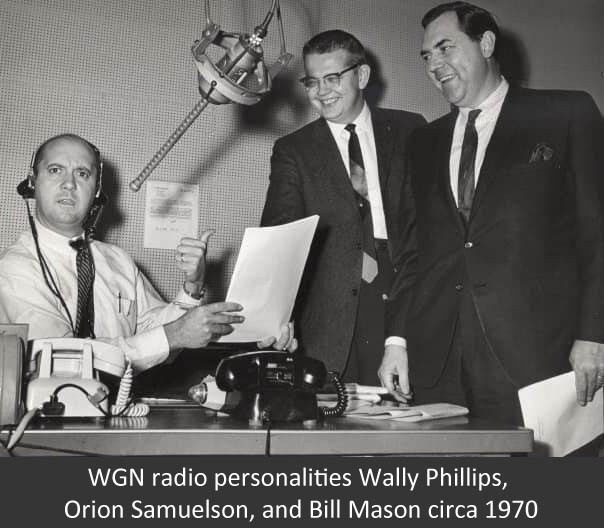
My father, Bill Mason, was a “farm broadcaster,” essential to the media landscape dating back to the 1920s.


The role of farm broadcaster emerged with the beginning of radio, bringing essential agricultural news over the airwaves to rural audiences.


In the 1950s radio was still flourishing, even as media (television) evolved.


Radio remained a lifeline - especially in rural areas of the United States - and programs like the USDA’s “National Farm and Home Hour” (ended in 1960) provided market reports, weather and policy updates amid farm mechanization and the Soil Bank program.


The National Association of Farm Broadcasters (NAFB), formed in 1944, and it professionalized the field, emphasizing advocacy during policy shifts like the 1965 Farm Bill.


In the 1970s, amid farm consolidation and economic challenges, broadcasters tackled issues like the energy crisis and exports, but fragmentation began as TV networks concentrated power and money for urban/suburban listeners and viewers.


By the 1960s, farm broadcasters had adapted to TVs dominance, producing syndicated shows like U.S. Farm Report” that covered global trade and the Green Revolution.


Enter Orion Samuelson, reporting from the old WGN-Chicago studios on West Bradley Place in the quiet hours before dawn, when city lights still flickered and the farms of the heartland stirred to life.


His familiar baritone voice boomed across the airwaves delivering news of grain prices, weather patterns, and the pulse of rural America. Samuelson was synonymous with agricultural reporting.


He passed away recently at the age of 91, leaving behind a seven-decade career that bridged the gap between urban listeners and the farmers who feed them. His death marks not just the loss of a local icon but the fading echo of an era when farm broadcasters” were essential lifelines for Americas breadbasket.


Born March 31, 1934, on a dairy farm near La Crosse, Wisconsin, Samuelsons path to the microphone was forged in hardship.


As a teenager, he battled Legg-Calvé-Perthes disease, a condition that shattered his dreams of full-time farming and confined him to crutches for years.


Accordingly he turned to radio, attending the American Institute of the Air in Minneapolis. His first gig came in 1952 - WKLJ in Sparta, Wisconsin - and there he honed his skills before moving to WHBY in Appleton and then WBAY in Green Bay by 1956 where he pioneered farm-focused television and radio, driving tractors into studios for live demos and featuring 4-H kids with their livestock.


It was innovative work, blending education with entertainment in an age when agriculture was still the backbone of the Midwest economy.


The big break arrived in 1960 when he joined WGN Radio in Chicago as farm service director. At WGN, he hosted staples like Milking Time” at 5 a.m. and the noon Country Fair,” later titled “The Noon Show.”

Men playing curling

By 1963, he expanded to TV with Top o’ the Morning, a daily show that ran until 1986, mixing markets, interviews, and weather. His programs generated millions in ad revenue, second only to the station’s morning drive, underscoring agriculture’s economic clout in Chicago.


Central to Samuelson’s story was his collaboration with fellow farm broadcaster Bill Mason - my father - at WGN. In the 1960s and early 1970s, their dynamic partnership delivered farm news and insights during a transformative period for American agriculture.


My father, known for his on-the-ground reporting - live interviews from Wisconsin to Iowa to Indiana - complemented Samuelson’s studio presence. Together, they tackled everything from commodity prices to policy shifts, becoming trusted voices for listeners tuning in from tractors or kitchen tables.


Their work separated them from other early morning slots, creating a seamless flow of rural content amid WGN’s urban lineup. My father’s role as a predecessor and peer paved the way for later talents, but his bond with Samuelson highlighted the camaraderie in a niche field.


By 1977, Max Armstrong joined as my dad’s successor, co-hosting with Samuelson on “U.S. Farm Report” for three decades, traveling globally to report on trade and competition. Armstrong, a Purdue grad from southern Indiana, brought fresh energy, alternating reports and co-producing segments that included the “Country Church Salute.”


Orion Samuelson’s career embodied the role of the “farm broadcaster,” a profession now largely consigned to history’s dustbin - it’s like saying “Kodak” or “hitch the horses.”


Broadcasters like Samuelson, Armstrong and my father were advocates, explaining policies from the Soil Bank of the 1950s to the 1996 Freedom to Farm Act, which shifted toward market-driven production. They traveled extensively. Samuelson visited 43 countries, including trade missions to China and the Soviet Union - bridging farmers with global realities.


The job’s decline mirrors broader shifts. The family farm consolidated, dropping from millions in the mid-20th century to about 2 million today. Urbanization and media fragmentation took hold. Radio stations moved to syndicated content, and broadcasters covered vast regions instead of local beats.


The rise of the internet, podcasts, and apps delivered instant data, rendering daily farm reports obsolete. By the 2000s, consolidation in agribusiness and broadcasting shrank the field; today, the National Association of Farm Broadcasting (NAFB) represents a fraction of its peak membership.


Samuelson retired in 2020 after 60 years (60!) at WGN, but his influence lingered. He met every president since Eisenhower, dined at the White House, and championed innovations like GMOs and ethanol.


In Chicago, he was more than a broadcaster - he was the city’s link to its rural roots, reminding urbanites that agriculture employs 22% of the workforce when including agribusiness.


As we bid farewell, Samuelson’s story urges us to remember the voices that once connected us to the land.


In an age of digital noise, his steady baritone was a beacon of trust, now silenced but never forgotten.


Thanks for reading!

Taylor


     Podcasts   Spotify    Cameo    Irreversible (my book)

Image description
If you would like to unsubscribe, please click here.