Want by Carrie Fountain
The wasps outside
the kitchen window
are making that
thick, unraveling sound
again, floating in
and out of the bald head
of their nest,
seeming not to move
while moving,
and it has just occurred
to me, standing,
washing the coffeepot,
watching them hang
loosely in the air—thin
wings; thick, elongated
abdomens; sad, down—
pointing antennae—
that this
is the heart’s constant
project: this simple
learning; learning
how to hold
hopelessness
and hope together;
to see on the unharmed
surface of one
the great scar
of the other; to recognize
both and to make
something of both;
to desire everything
and nothing
at once and to desire it
all the time;
and to contain that desire
fleshly, in a body;
to wash it and rest it
and feed it; to learn
its name and from whence
it came; and to speak
to it—oh, most of all
to speak to it—
every day, every day,
saying to one part,
“Well, maybe this is all
you get,” while saying
to the other, “Go on,
break it open, let it go.”
“Want” by Carrie Fountain from Burn Lake. © Penguin, 2010
What is it we want, all of us? Despite the fleshly references, and maybe our cultural knee jerk relation to the word want, I'm not suggesting here that the pleasures of the flesh are the focus of this poem, or what I responded to as I read and re-read it. May I please thread this needle with a subtler strand?
I feel certain we all want joy, we want that unbridled experience, bubbling up from wherever we beckon it. Maybe we only get a few moments of it here and there, or maybe it breaks open and floods our selves for longer periods. Maybe some of us can beckon it at will while others hold the door open until patience wears a haggard look. Sometimes dancing delivers joy, or holding a newborn of whatever species.
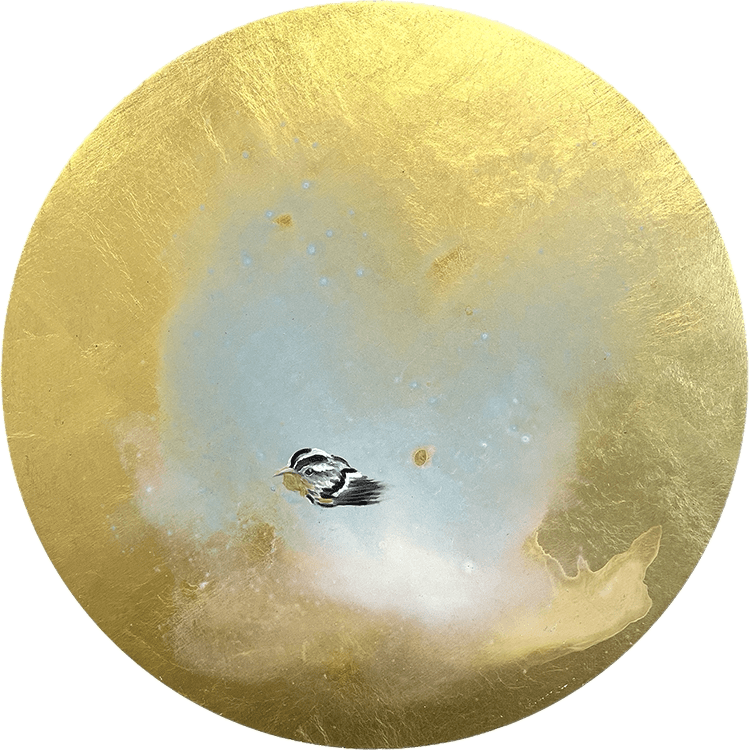
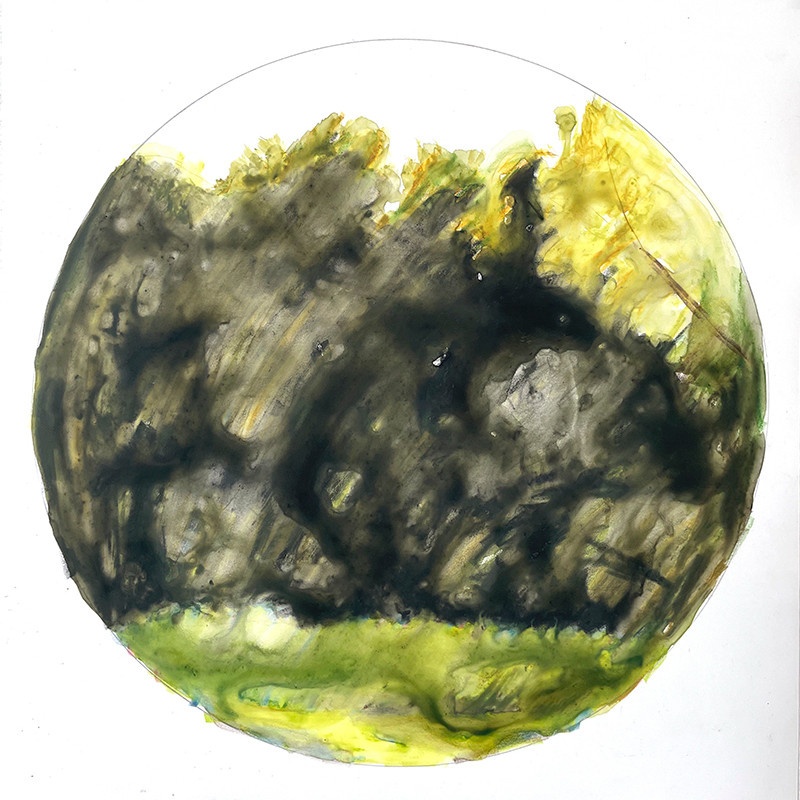
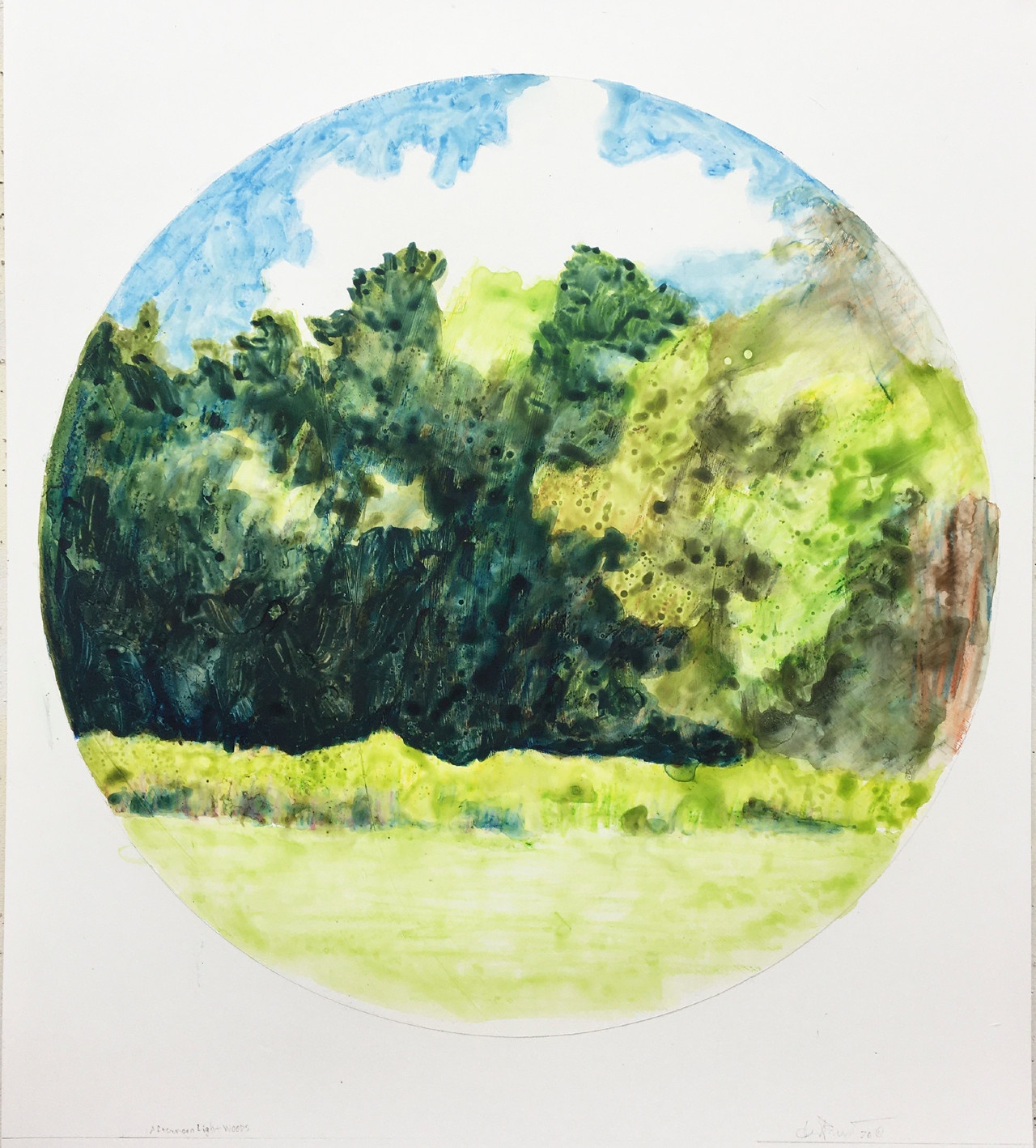
Sometimes paintings supply joy. As a maker, there are a few occasions when I've suddenly completed something and felt those pangs. Well, look at you! This past week I was lucky enough to have joy visit my studio. She brought this one.
Paintings, as finished things, don't always deliver what words describe. Sometimes it is more subtle, hardly traceable day-to-day.